Everyday risks Boomers shrugged off as kids
Baby Boomers survived childhoods filled with hazards that would trigger immediate intervention today. From unrestrained car rides to unsupervised adventures, their generation navigated risks with remarkable casualness. These everyday dangers shaped resilient individuals while highlighting dramatically evolved safety standards.

Riding without seatbelts or car seats
Seatbelts were not standard in cars during the early Boomer years. Little kids sat in passenger seats without restraints while mothers or fathers flung an arm across them during sudden stops. Infants rode in unattached baby seats next to mom or in someone’s lap up front. Serious seatbelt regulations did not arrive until the seventies, with airbags following in the eighties.
Playing with dangerous toys
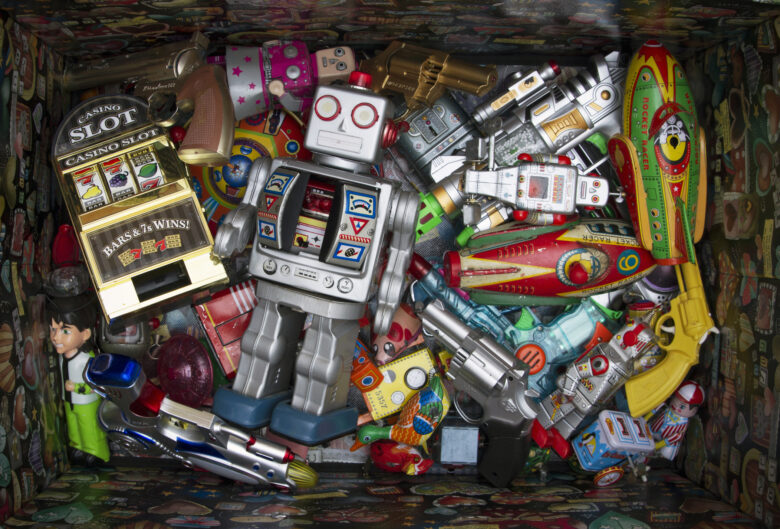
Popular Boomer toys used hazardous materials, including lead-based paint and sharp edges.The Gilbert Atomic Energy Lab contained actual radioactive materials with safety certificates. Chemistry sets included poisonous, caustic, and explosive chemicals plus blowtorches. Safety regulations for toys simply did not exist during peak Boomer childhood years.

Drinking from garden hoses
Bottled water was not a thing in the sixties unless you carried a canteen. Children stayed hydrated by drinking from garden hoses while playing outside. Hoses were not regulated like indoor drinking water, and unsafe lead levels came through brass nozzles. Public water fountains provided another hydration source, later determined to present serious health hazards.

Biking without helmets
Boomers launched themselves off gutters, jumped homemade ramps, and tore down hills with no head protection. They lived on bikes, racing through neighborhoods, exploring miles from home. Metal roller skates came off shoes easily, while pogo sticks broke ankles. Protective equipment for everyday play simply did not exist during this era.

Exposure to constant secondhand smoke
Cigarettes hung from adult lips everywhere, including stores, planes, television, and kitchen tables. Children were constantly exposed to secondhand smoke while cigarette ads featured babies. Parents posed toddlers with unlit cigarettes in cutesy photos. Smoking was modeled as healthy rather than the serious health risk we understand today.

Unsupervised outdoor adventures
Boomers left their houses in the morning and came home at dark, with parents having no idea what the plan was. They roamed miles from home, venturing into construction sites, abandoned lots, creeks, and forests. No phones, no GPS tracking, no adult supervision characterized typical summer days. Kids made up plans as they went exploring anywhere that looked interesting.

Extreme sun exposure
The sixties represented the golden age of tanning with no UV protection. Mothers slathered children with suntan lotion to enhance tans rather than protect skin. Older kids used baby oil with iodine and reflectors to bake themselves. Deep tans were beauty goals rather than recognized cancer risks.

Wrap up
Boomer childhoods bordered on lethal by today’s standards, yet most survived. These experiences shaped problem-solving skills and self-reliance that modern children rarely develop. Improved safety regulations save countless lives today while perhaps reducing opportunities for building confidence through navigating risks. The balance between protection and independence remains an ongoing conversation.
Ask us! What questions do you have about content, strategy, pop culture, lifestyle, wellness, history or more? We may use your question in an upcoming article!
Related:
- The ’50s parenting practices we now know were terrible for the kids’ brains
- Nostalgic Gen X toys that’ll heal your inner child
Like MediaFeed’s content? Be sure to follow us.
This article was syndicated by MediaFeed.org.