7 parenting rules from the 1940s that wouldn’t fly today
Parenting advice from the 1940s came from a mix of behaviorist psychology, wartime necessity, and doctors who genuinely believed they’d cracked the code on raising disciplined kids. Some of it aged badly. Most of it, actually.
Historians and researchers have traced this era in detail, from academic work on feeding schedules to wartime records on how families actually functioned while fathers were overseas. Seven of the era’s defining rules, and why none of them survived contact with modern parenting.

Feed on a strict schedule, not on demand
Babies ate every four hours. Not before, regardless of crying. New Zealand pediatrician Truby King’s method dominated the era, framing rigid feeding schedules as character-building rather than nutrition. Discipline started in the crib, apparently.

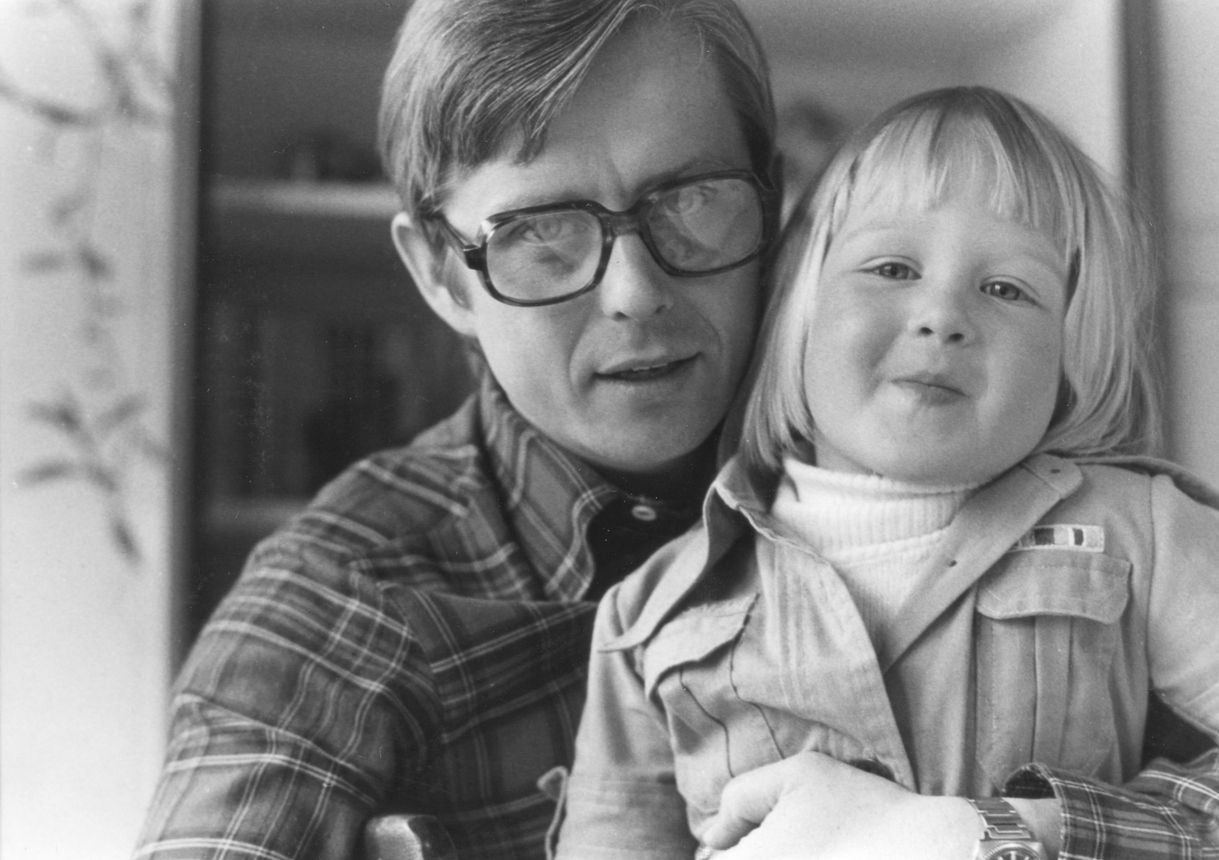
Never hug or kiss your children
Psychologist John B. Watson’s advice, and parents took it seriously. Hugging, according to Watson, risked spreading what he called a disease of the mind. A handshake in the morning was the recommended greeting. For a child. From a parent.

Children should be seen and not heard
Discipline meant obedience, full stop. Punishment was believed to reduce bad behavior, and few questioned that logic until Benjamin Spock’s 1946 book started shifting the conversation toward something less rigid. Before that, fear of authority was basically the goal.

Leave kids home alone for hours, starting young
With fathers at war and mothers working factory shifts, latchkey kids as young as six let themselves into empty houses after school. The arrangement affected millions of families, and it came with real costs. Juvenile delinquency and truancy rates climbed noticeably during the same stretch.

Feed kids whatever the rationing allowed
Government-run school lunch programs fed over five million children by 1942, a quarter of the country’s kids, through a system built around wartime shortages rather than nutrition science. Whatever was available got served. Complaints weren’t really the point.
Send children to work early
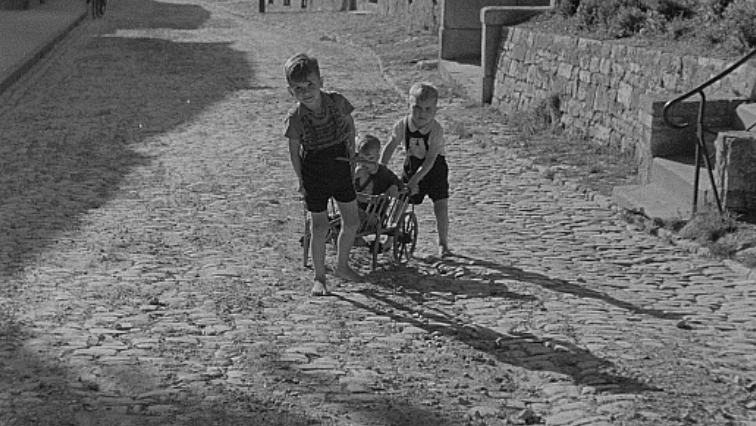
Farm labor for kids barely into their teens was legal, common, and generally uncontroversial. A constitutional amendment aimed at restricting it had already passed Congress by 1924 and gone nowhere, so the practice simply continued well into the following decades.
Let doctors vouch for cigarettes around the whole family
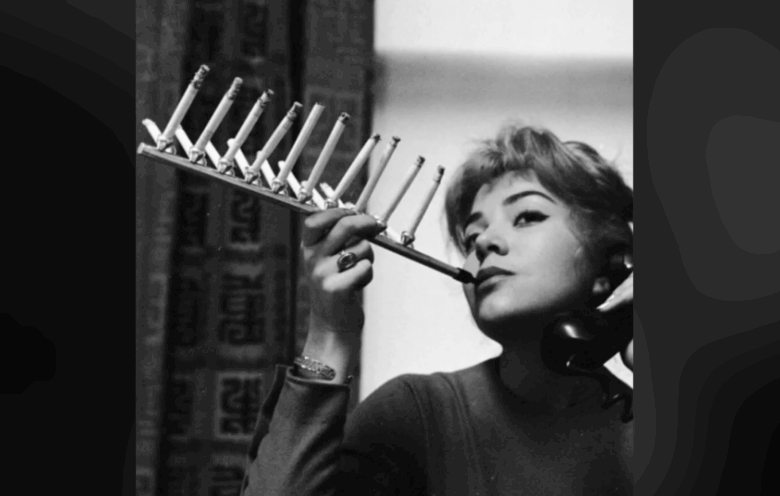
An actual ad campaign, running through the ’40s, claimed more doctors smoked Camels than any other brand. It aired on children’s radio programs. The Smithsonian later devoted an entire exhibit to just how far that messaging reached into American households, kids included.
The bottom line
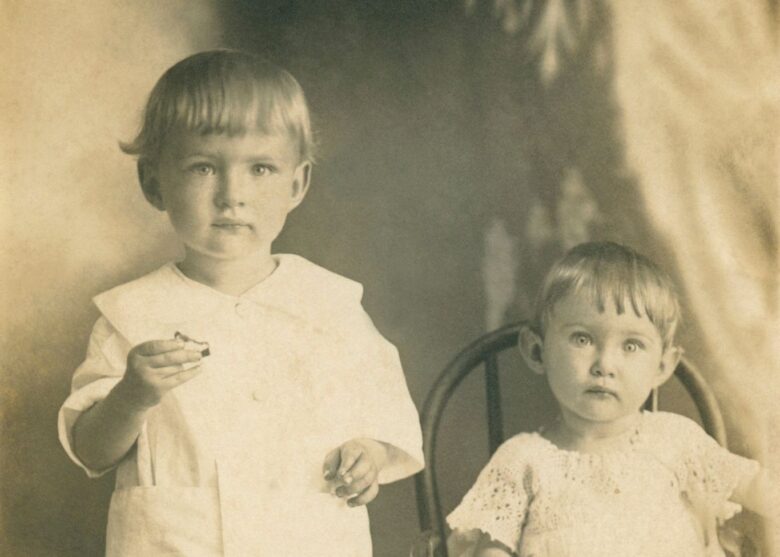
None of this was reckless by the standards of the moment. Doctors endorsed it. Governments built policy around it. What’s changed isn’t just knowledge; it’s the entire framework for what counts as caring for a child in the first place.
Ask us! What questions do you have about content, strategy, pop culture, lifestyle, wellness, history or more? We may use your question in an upcoming article!
Related:
- The ’40s parenting practices we now know were terrible for kids’ brains
- The ’70s parenting practices we now know were terrible for kids’ brains
Like MediaFeed’s content? Be sure to follow us.
This article was syndicated by MediaFeed.co.