The Quiet Power of Dressing With Intention
What Europeans Get Right About Fashion, Comfort, and Feminism
I recently came home from nearly three weeks in Europe with my sister. Everything from the people to the food to the history amazed us—as did the fashion. The women seemed to dress effortlessly and elegantly in a way that didn’t ask for attention but somehow got it. Especially from me. It had me wondering: Why do American women, myself included, come across as such schleppers when we travel?
Have we been mistaking “comfort clothing” for some kind of body-positive, feminist ideal? If so, that’s a bill of goods I’m no longer buying.
Why European Women Make It Look So Easy
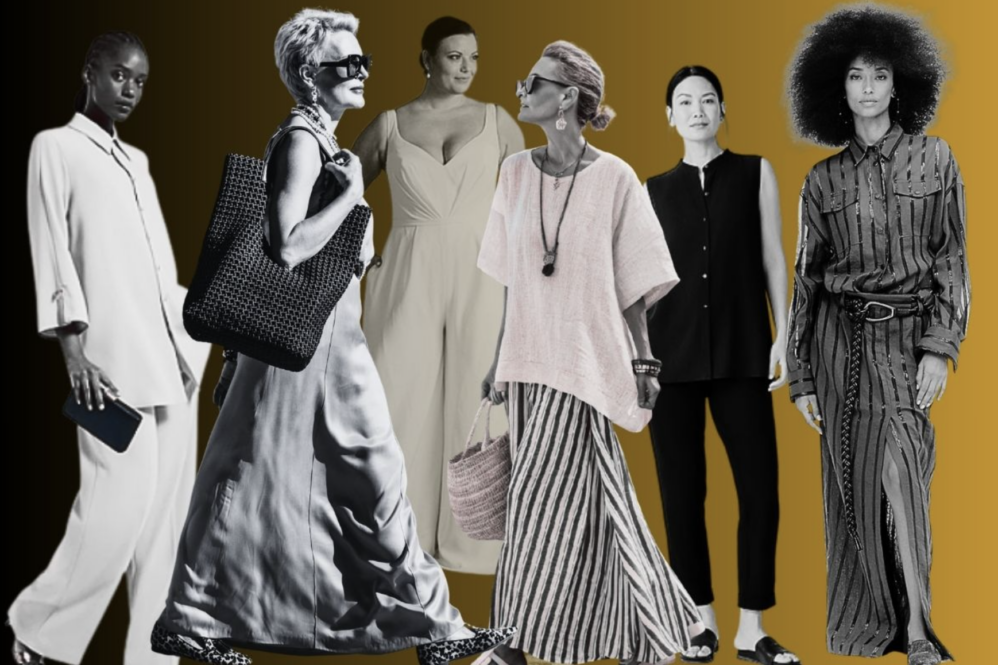
In Budapest, I watched 70 year olds glide through the streets in slicked-back hair and bold colors, exuding a youthful confidence. In Vienna, a woman in red lipstick and kitten heels wasn’t looking for male approval. She was claiming her right to take up space. In Prague, a group of young moms sat in a café wearing wrap dresses and matching short sets while their equally well-dressed toddlers snacked nearby.
That’s when it hit me: European women dress well because dressing well isn’t seen as vanity, but as self-respect. It’s also a sign of social consideration. Looking put together signals that you care about yourself and the people around you.
Me? Not so much.
Early on, I realized I’d packed all the wrong clothes. Grays, blacks, and whites. Pants and tops. Not a single dress in my suitcases. The truth is, I’m no fashionista. As a freelance writer who works from home, it takes a lot for me to put together a “good” outfit. But I felt it wasn’t just my wardrobe that was lacking on this trip, it was my effort. For the first time ever, I felt influenced by the women around me. (Related: Crone Alone: Why Solitude Is My Healthy New Addiction)
So I did something uncharacteristic: I shopped. I ended up with not one, not two, but four new dresses. Before my splurge, I trudged across cobblestone streets in saggy black linen pants and a dull gray tank (my go-to uniform for errands). Afterward, I was posing in front of castles and bridges in bright, flowy dresses, feeling like some upgraded version of myself. Was it the clothes? The cities? Or something more subversive?
Because here’s what became very clear: European women don’t just wear clothes, they inhabit them. Young or old, tall or short, no matter their size, there’s a cultural ease to how they dress. It’s not performative or apologetic. It’s confident. And that confidence struck me as quietly radical, and dare I say, feminist.
Feminism and fashion have a long history which at times was restrictive and at other times empowering. But at its core, feminism is about agency. And agency includes the right to dress in a way that makes you feel confident, beautiful, and authentic.
As a feminist, I had to ask myself: Did I miss that memo?
Want more? Get PROVOKED’s free Thursday newsletter. Sign up at PROVOKEDMagazine.com.
Dressing Well Is a Radical Act
In the U.S., women are constantly fed contradictory messages about … everything. (Remember America Ferrera’s Barbie monologue?) The fashion version might go something like: Dress for success, but don’t look too sexy. Be body positive, but also buy shapewear to smooth out your “problem areas.” Grow old gracefully, which apparently now means starting Botox by the time you’re 30.
Still, we can’t be too pretty, or too smart, or too well-dressed for fear of being misperceived in some way.
Maybe because America has always been a patriarchy with Puritan roots, we’ve been conditioned to view modesty and minimalism as virtuous, and to judge a well-dressed woman as either frivolous or calculating. So we celebrate comfort as if it’s a political stance. Leggings and a hoodie almost seem defiant, a faux feminist statement that looks don’t matter. But let’s be honest: This so-called comfort is more of a default. It’s ease without intention. Fashion without thought. It’s as if caring is trying too hard, and haven’t we all had that concern?
Like many women, I absorbed a lot of this through pop culture. Remember the show What Not to Wear? Its agenda was clear: transform women to “dress for success” in all areas of their life. Truth be told, my daughter and I would fantasize about me being on that show so that hosts Stacy London and Clinton Kelly could whip me up into the best dressed me that I could possibly be.
Now we have Dress However the F You Want—same hosts, new title with a seemingly rebellious response to the original show. But maybe it still misses the point. The real question isn’t what we wear. It’s why did we ever need permission to wear what we want in the first place?
European women don’t seem to have that issue. They don’t dress well despite feminism, they dress well because of it. They understand something many American women have forgotten: that showing up with intention isn’t vanity. It’s power. And there’s a quiet authority in caring about how you present yourself to the world.
I’m not saying we all need to start wearing sundresses to Trader Joe’s. But you might be surprised by how good you feel if you do. I’m discovering that dressing well—not for approval, not for attention, but for myself—actually changes the way I carry myself. It’s taken some practice but I’m finding my way.
It’s not fake. Or frivolous. It’s agency. And I’m here for it.
Enjoyed this story? Read more from PROVOKED at provokedmagazine.com.
Melissa Gould’s memoir, Widowish, is an award-winning, Amazon bestseller and Editor’s Pick for Best Memoir, a Goodreads Top Book of 2021, and has been named one of BookAuthority’s Best Grief Books of All Time. Her essays have been published in The New York Times, The Los Angeles Times, The Washington Post, The Hollywood Reporter, Buzzfeed, and more. She’s also an award-winning screenwriter who has worked on such shows as Bill Nye the Science Guy, Beverly Hills 90210, Party of Five, and Lizzie McGuire.
Related:
Ask us! What questions do you have about content, strategy, pop culture, lifestyle, wellness, history or more? We may use your question in an upcoming article!
Like MediaFeed’s content? Be sure to follow us.
This article originally appeared on PROVOKED and was syndicated by MediaFeed.co.