15 things from the past that make no sense today
Some daily habits from a few decades back look less like simpler times and more like a strange obstacle course once you actually picture doing them now. Nobody questioned any of this while it was happening. Looking back, a lot of it barely holds together.
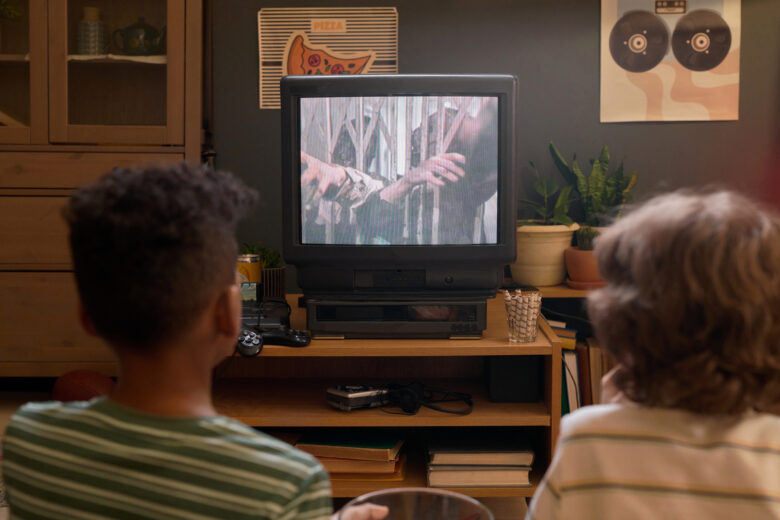
Television genuinely went to sleep at night
Most U.S. stations signed off somewhere between 11 p.m. and 1 a.m., playing the national anthem over footage of a waving flag before cutting to static until roughly 6 a.m. the next morning. Smaller markets sometimes shut down as early as 10 p.m., and there was simply nothing else to watch once the signal died.
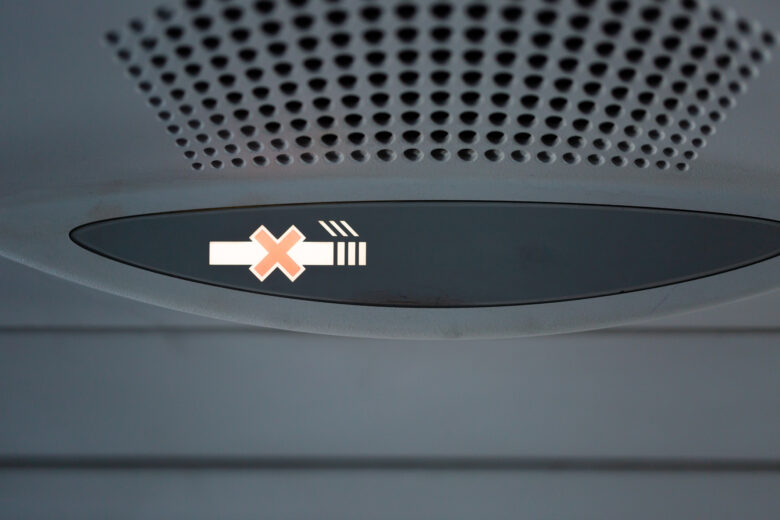
Smoking sections on airplanes existed, physically next to non-smoking sections, inside the same sealed metal tube
A 1989 study found passengers in non-smoking rows were exposed to nearly as much smoke as the people actually smoking. The U.S. didn’t ban smoking on all domestic flights of six hours or less until 1990.

$20.70 long-distance call
That’s what a three-minute long-distance call cost in 1915, roughly $485 in today’s money. Calling a different area code remained a real financial decision well into the 1980s, timed the way some people time a cab fare now.
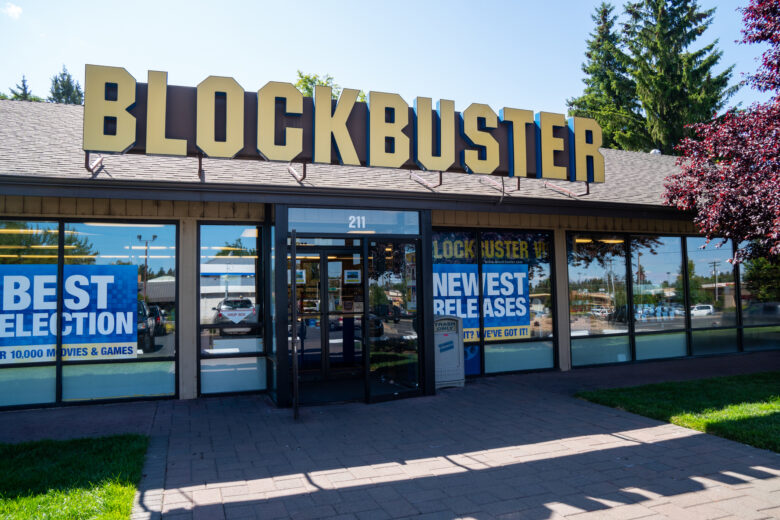
Blockbuster advertised the end of late fees, then got sued in 47 states for still charging them
The “No Late Fees” campaign promised exactly what it sounded like in 2005. State officials quickly discovered the fees hadn’t disappeared, just gotten renamed. Blockbuster settled by paying roughly $630,000 to cover the states’ investigation costs.
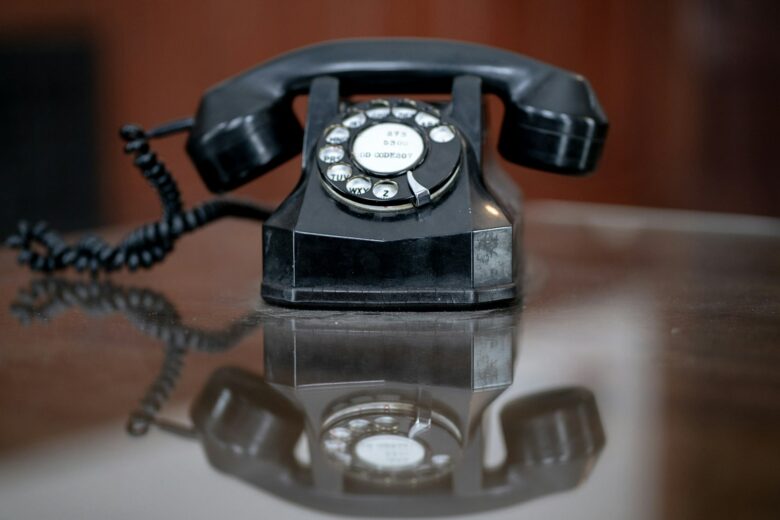
Nobody knew who was calling until the phone was already in their hand
Voicemail didn’t get commercialized until Octel Communications brought it to market in the early 1980s, and caller ID took even longer to reach ordinary households. Missing a call before then meant genuinely missing it, no record left behind.
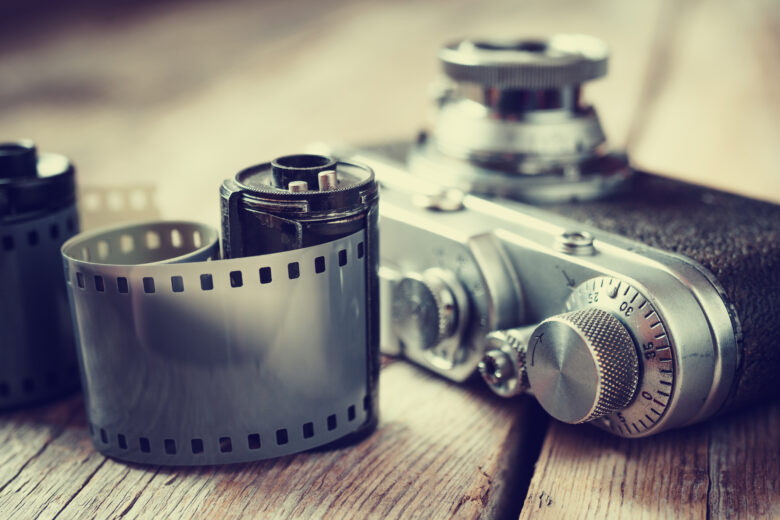
A roll of film had to physically leave the house before anyone saw a single photo
Fotomat and similar chains ran on overnight film processing right up until early-1980s technology made one-hour development possible on-site. Before that shift, a week wasn’t unusual for anything requiring mail-in processing.
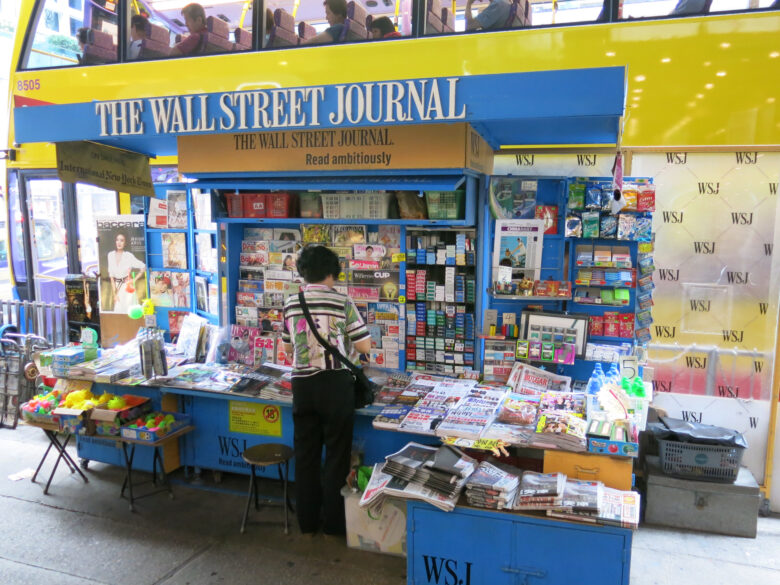
20 million people a week relied on one magazine just to know what was airing that night
TV Guide hit that readership at its peak, a circulation nobody questioned back when channel surfing meant flipping through a printed grid rather than an on-screen one.

Phone numbers lived in people’s heads, not in a device
No contact list existed to save anyone. Forgetting a number meant actually forgetting it, sometimes permanently, unless it happened to be written down somewhere on paper first.
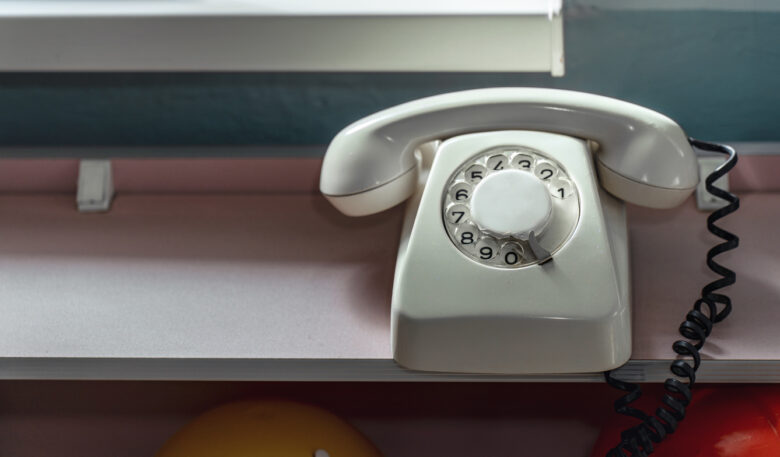
Three-quarters of American homes shared a single phone line with total strangers
Party lines connected multiple households to the exact same wire, peaking around 1950 at roughly 11 million shared subscribers nationwide. A busy signal meant someone else in the arrangement was already talking, full stop, with no way to interrupt or know who.
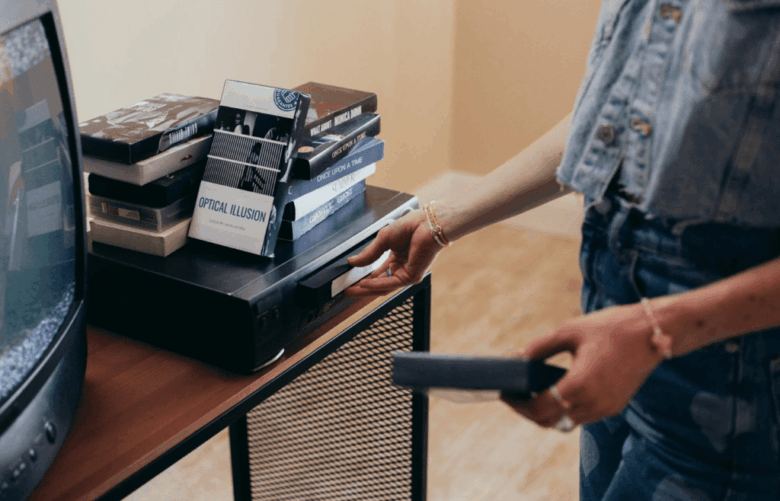
Rewinding a rented VHS tape was considered basic courtesy, and it was quietly wrecking people’s VCRs the whole time
A 1993 survey of electronics repair experts named frequent rewinding the single worst thing a renter could do to a VCR’s internal heads, the exact opposite of what every “Be Kind, Rewind” sticker was asking for.

Getting anywhere unfamiliar meant trusting a folded paper map and a stranger’s directions
No real-time rerouting, no voice telling anyone where to turn. A wrong exit usually meant pulling into a gas station and hoping the attendant actually knew the area well enough to help.
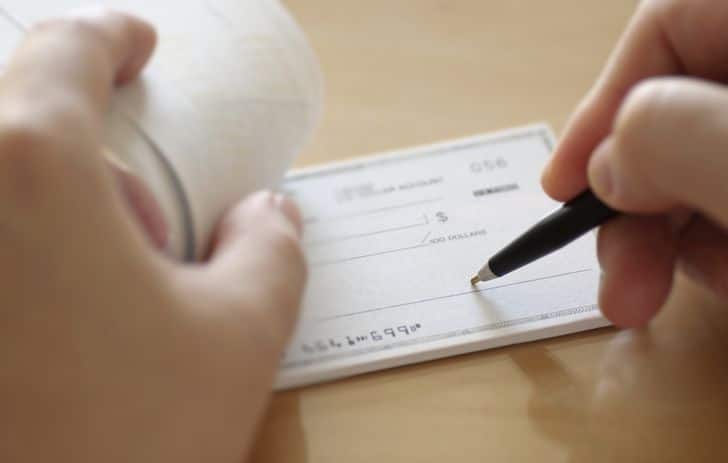
Writing a personal check at the grocery store, while the entire line waited behind you
Digging out a checkbook, filling in the amount by hand, waiting for a manager’s approval on anything over a certain dollar figure, all while a cart full of strangers’ groceries sat parked directly behind.

Ordering a single sweater meant waiting weeks for it to arrive by mail
Sears built an entire catalog empire on exactly this patience, mailing more than 50 million catalogs annually by 1916 and shipping orders out by rail with no tracking number to check in the meantime.
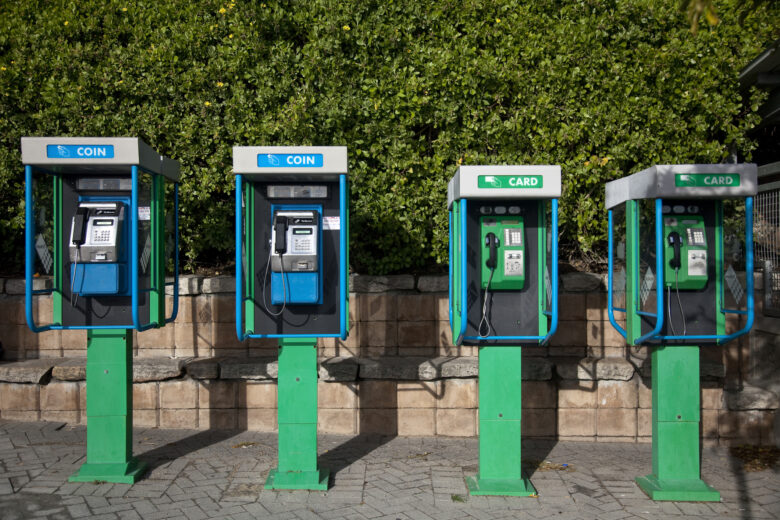
A single phone booth on a street corner was sometimes the only private call available anywhere nearby
Millions of payphones dotted American streets through the 1970s and 80s, a number that collapsed from 2.1 million in 1999 to under 100,000 by 2016 as cell phones took over entirely.

Carrying a literal roll of coins was standard preparation for everyday errands
Quarters specifically, kept on hand for pay phones that required exact change just for the first few minutes of any call, the way a phone charger gets kept in a bag today out of the exact same quiet anxiety.

The bottom line
None of this felt inconvenient at the time, mostly because nobody had anything to compare it to yet. Looking back now, from the other side of instant everything, it’s genuinely hard to believe how normal it all once was.
Ask us! What questions do you have about content, strategy, pop culture, lifestyle, wellness, history or more? We may use your question in an upcoming article!
Related:
Like MediaFeed’s content? Be sure to follow us.
This article was syndicated by MediaFeed.co.