10 Witchcraft Accusations That Changed History
When most people think of witchcraft accusations, they picture Salem, black cats, and medieval superstition. In reality, many accusations had little to do with magic. Throughout history, claims of witchcraft were often used to target political rivals, powerful women, religious outsiders, and anyone whose ideas challenged the status quo.
Some accusations ruined lives. Others altered the course of nations, religions, and even scientific progress. Here are 10 witchcraft accusations that changed history.
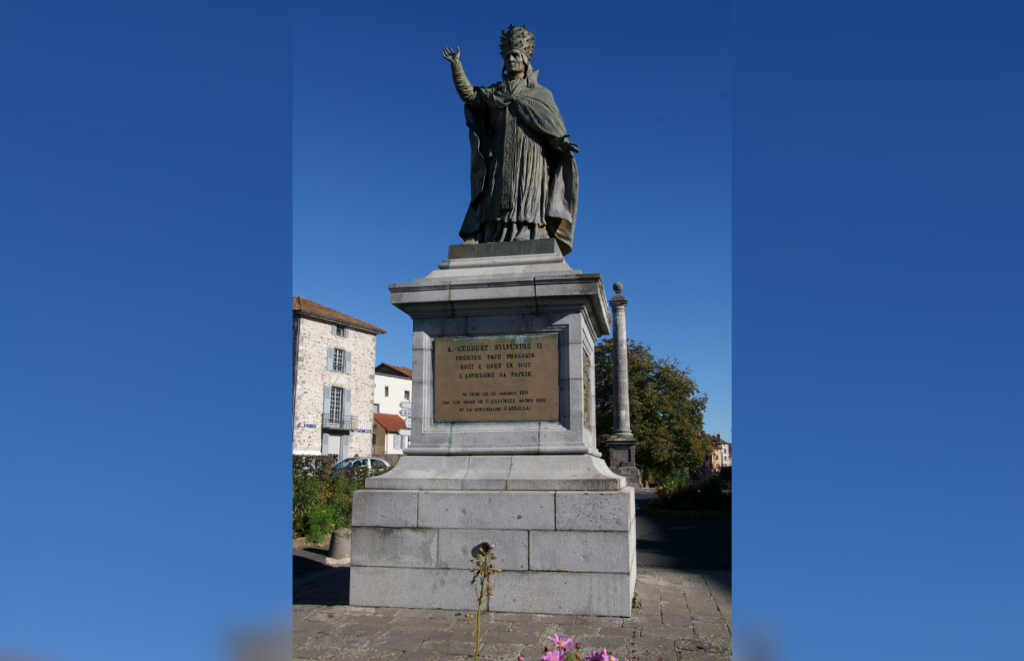
10. Gerbert of Aurillac
Gerbert of Aurillac was one of the most educated men of the 10th century and eventually became Pope Sylvester II. His knowledge of mathematics, astronomy, and Arabic scholarship impressed some contemporaries but alarmed others.
As a result, rumors spread that his learning came from supernatural sources. Legends later claimed he had made a pact with the devil and possessed magical devices capable of predicting the future. Although the accusations were false, they reflected how unusual knowledge could inspire fear during the Middle Ages.
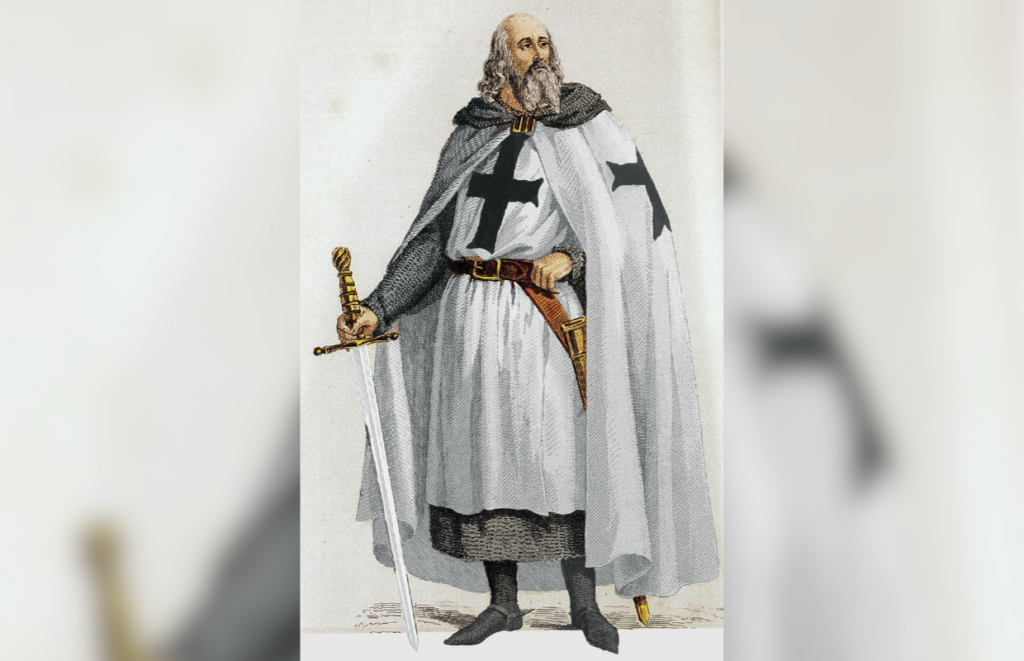
9. Jacques de Molay
As Grand Master of the Knights Templar, Jacques de Molay led one of the most powerful organizations in medieval Europe. Unfortunately for him, King Philip IV of France owed the Templars enormous debts.
In 1307, Philip ordered the arrest of de Molay and many other Templars. They faced accusations ranging from heresy to devil worship and sorcery. Under torture, some confessed. The destruction of the Templars reshaped European politics and fueled centuries of myths and conspiracy theories.
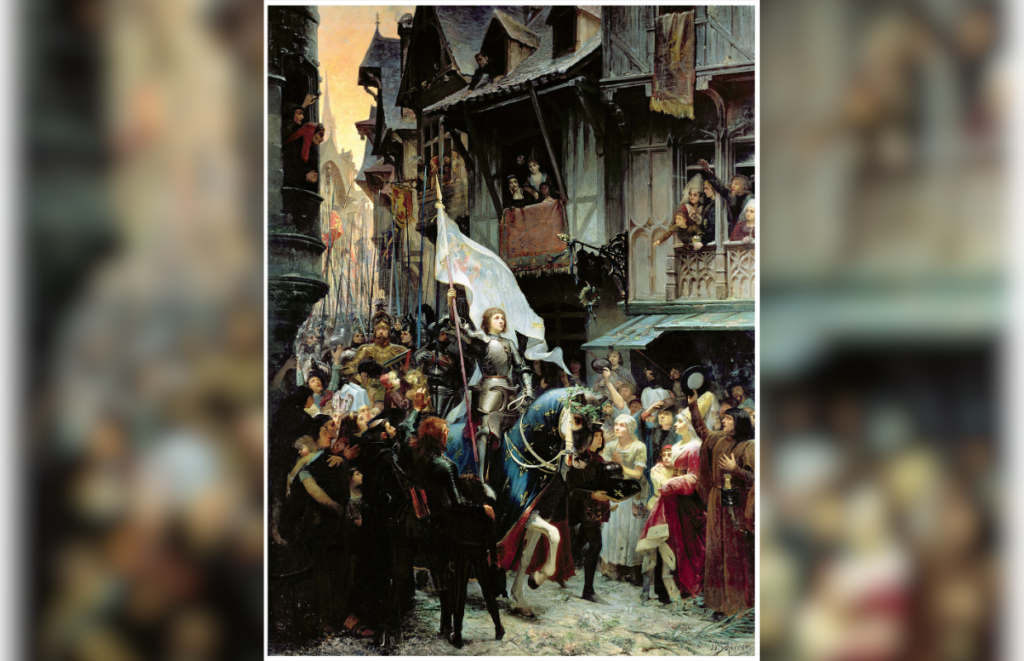
8. Joan of Arc
Joan of Arc claimed to receive divine visions that guided her military efforts during the Hundred Years’ War. Her leadership helped change the course of French history and made her a national hero.
However, her enemies viewed those same visions as evidence of witchcraft and heresy. In 1431, she was convicted and burned at the stake. Decades later, her conviction was overturned, and in 1920, she was canonized as a saint.
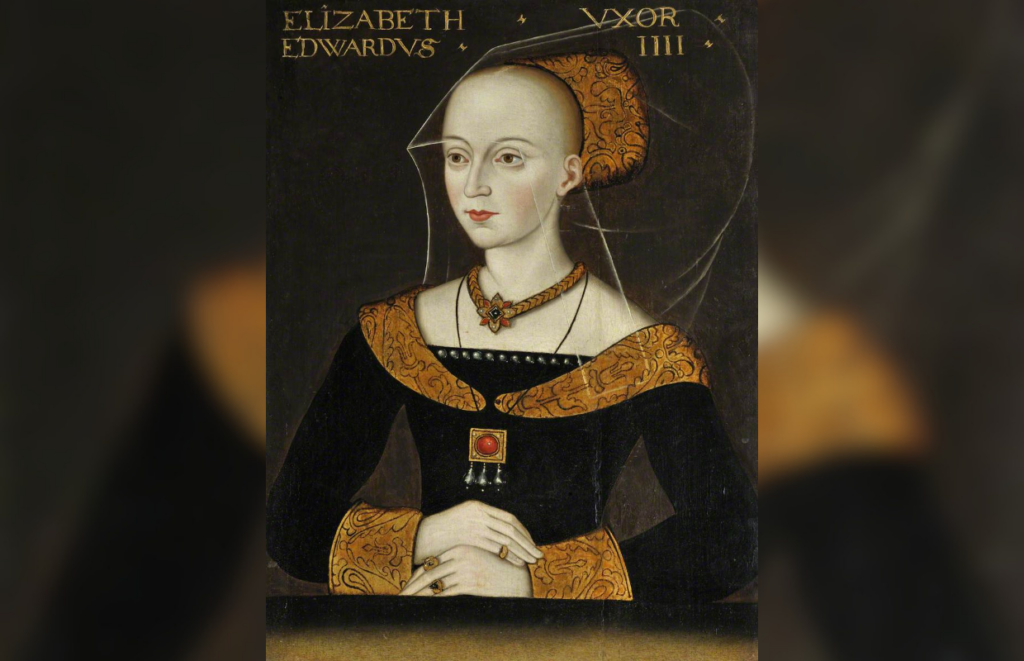
7. Elizabeth Woodville
Elizabeth Woodville’s marriage to King Edward IV shocked England’s political establishment. Many powerful nobles believed the match threatened their influence.
Critics accused her of using sorcery to win the king’s affection. Although no evidence supported the claims, the accusations became a powerful political weapon during the Wars of the Roses. They helped tarnish her reputation and contributed to decades of controversy surrounding her family.
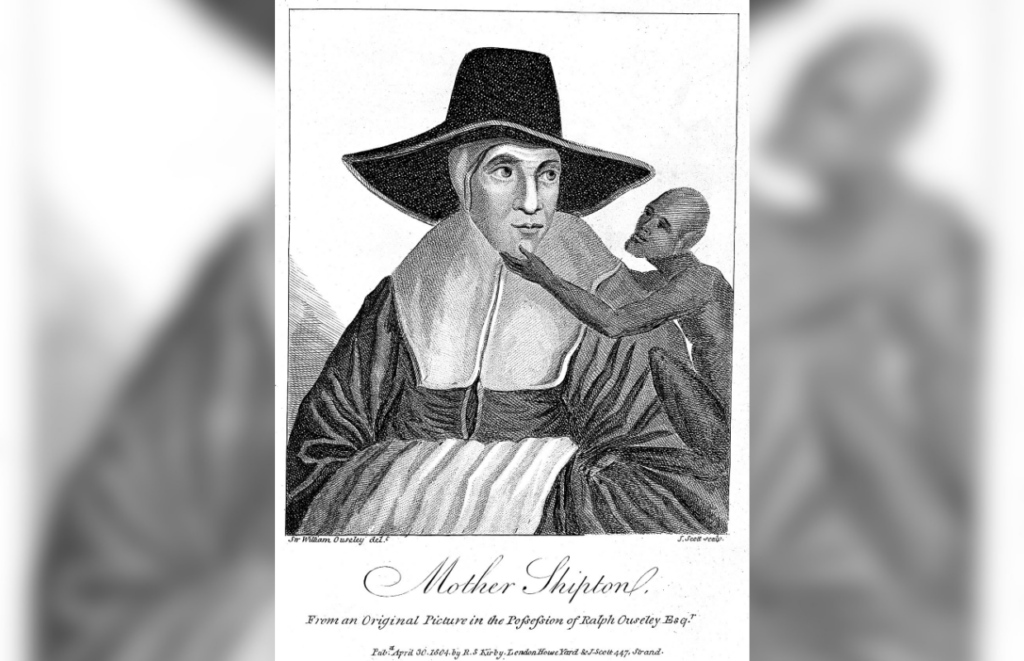
6. Mother Shipton
Mother Shipton became one of England’s most famous legendary figures. She was said to possess prophetic abilities and was often portrayed as a witch capable of predicting future events.
Although historians debate how much of her story is fact and how much is folklore, her reputation endured for centuries. Her legend helped shape popular ideas about witches and fortune-tellers in English culture.
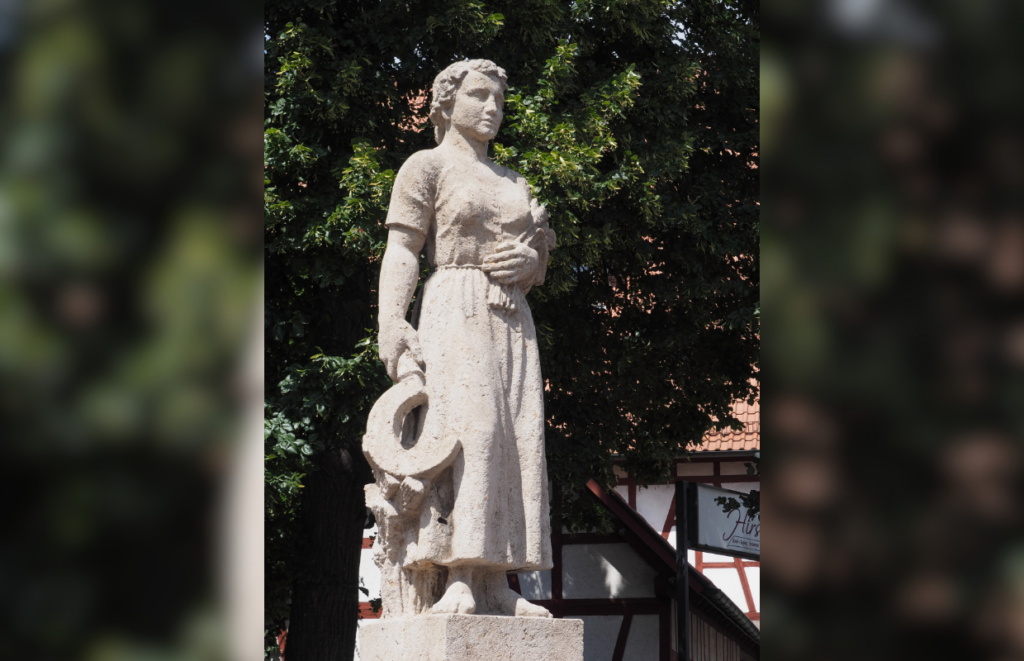
5. Katharina Kepler
Katharina Kepler, the mother of astronomer Johannes Kepler, was accused of witchcraft in 1615. Like many women targeted during European witch hunts, she faced suspicion because of her age, personality, and knowledge of herbal remedies.
Her son spent years mounting a legal defense on her behalf. Thanks largely to his efforts, she avoided execution. The case illustrates how easily ordinary people could become entangled in witchcraft accusations during the era.
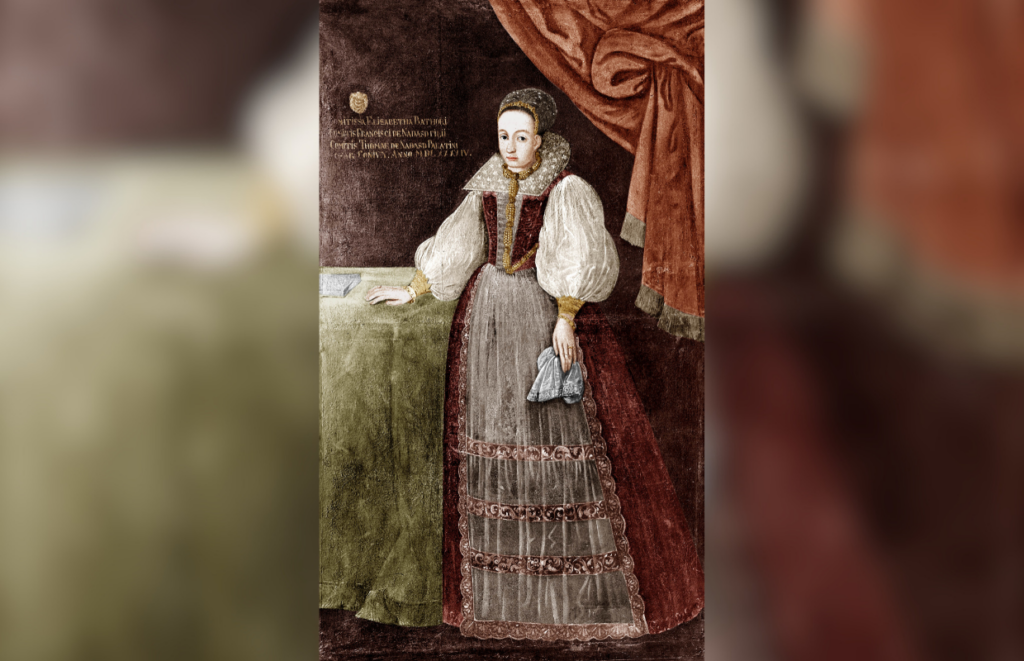
4. Elizabeth Báthory
Hungarian noblewoman Elizabeth Báthory became infamous through stories that accused her of torturing and murdering young women. Over time, legends claimed she bathed in their blood to preserve her youth.
Historians continue to debate the accuracy of many accusations against her. Some argue that political motives may have played a role in her downfall. Regardless, her story became one of history’s most enduring tales linking power, fear, and alleged witchcraft.
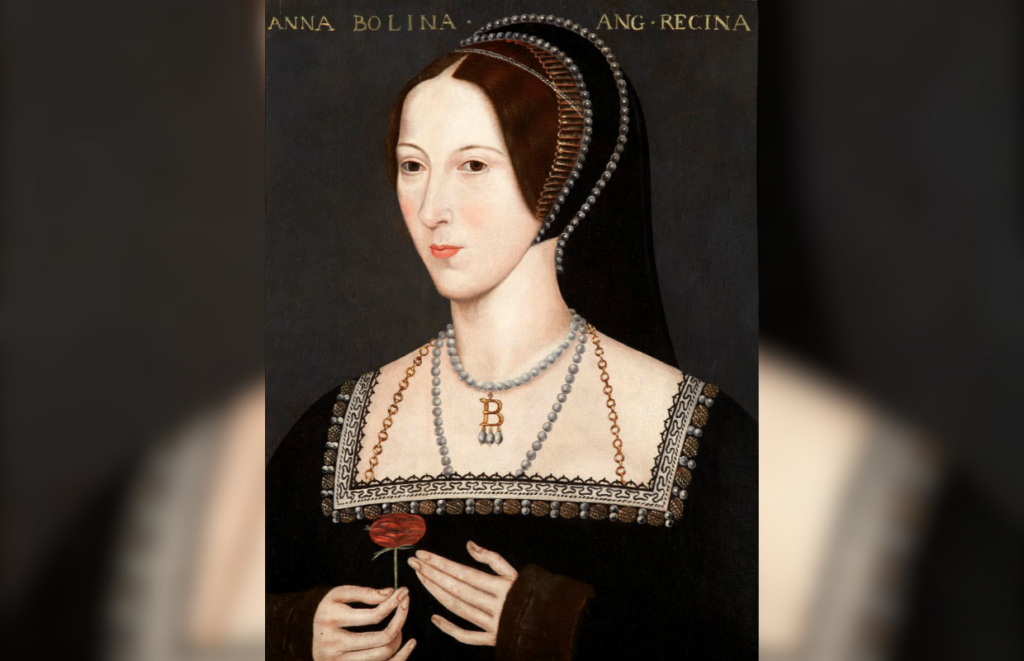
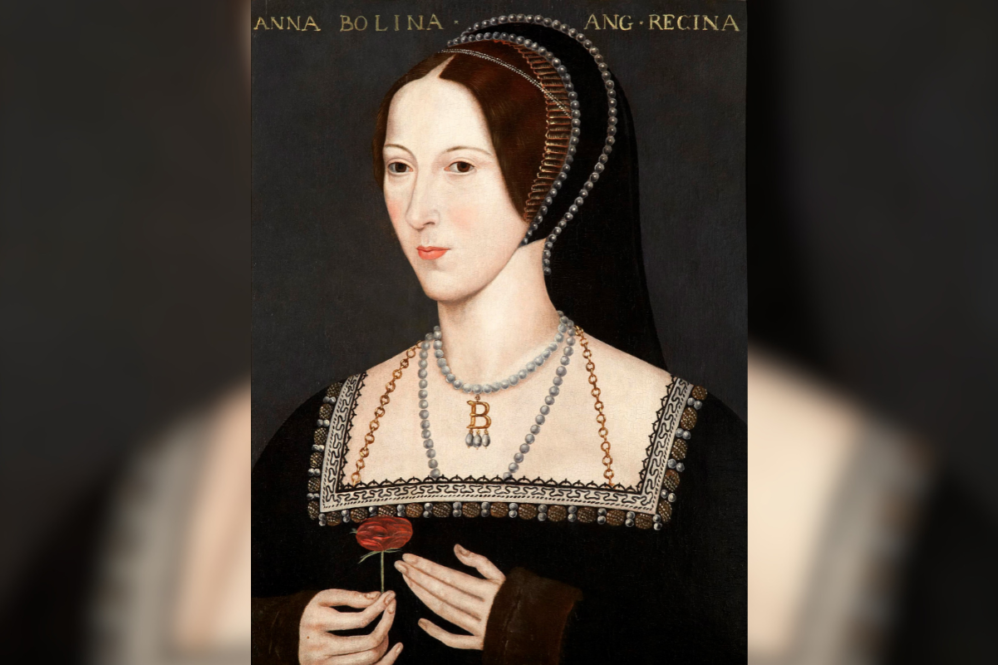
3. Anne Boleyn
Anne Boleyn’s marriage to King Henry VIII transformed English history and contributed to the English Reformation. Yet her position at court became increasingly precarious when she failed to produce a surviving male heir.
Among the charges brought against her were allegations that she had used witchcraft to seduce the king. Historians generally view these accusations as politically motivated. Her execution in 1536 cleared the way for Henry’s next marriage and further reshaped the English monarchy.
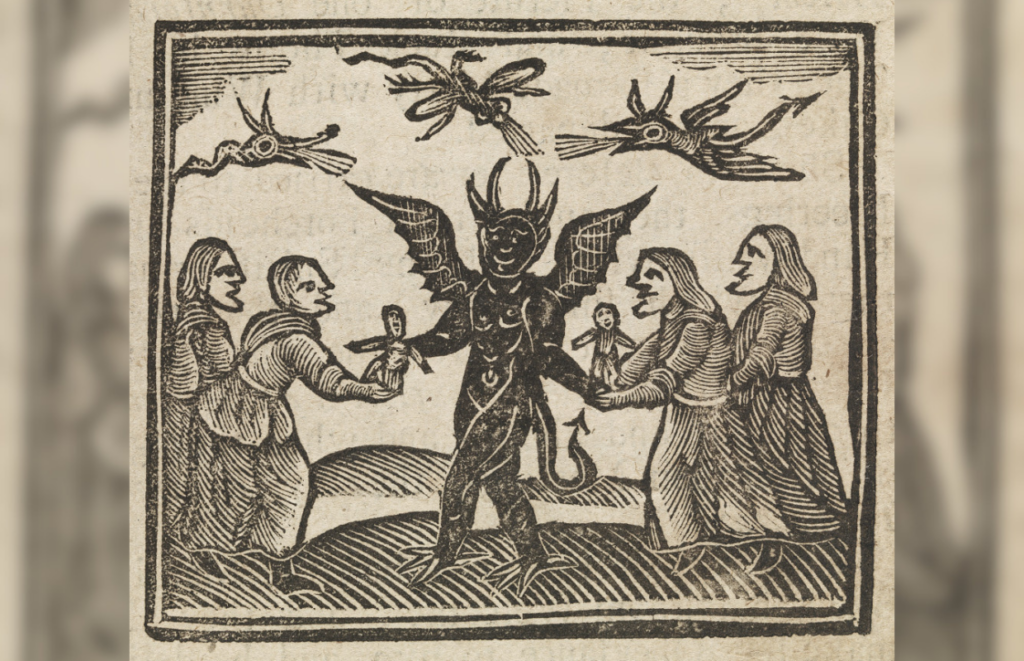
2. Agnes Sampson
Agnes Sampson was a respected healer and midwife in Scotland before becoming one of the most prominent victims of the North Berwick witch trials.
Authorities accused her of using magic to threaten King James VI. Under torture, she confessed to crimes she almost certainly did not commit. Her execution helped fuel one of Scotland’s most notorious witch hunts and influenced later witchcraft persecutions.
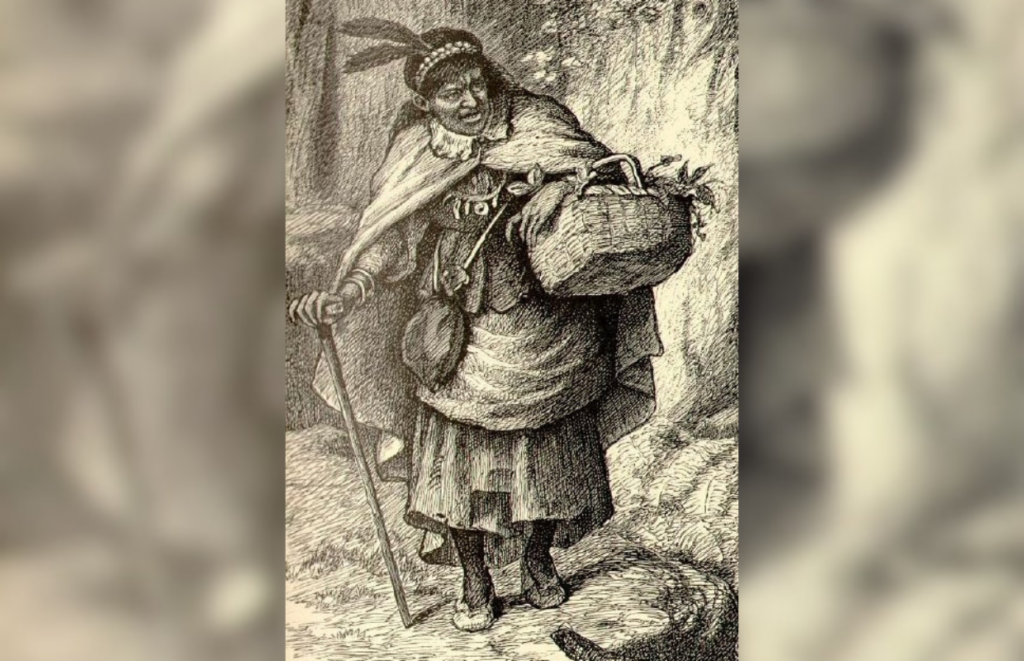
1. Tituba
Tituba was among the first people accused during the Salem witch trials of 1692. An enslaved woman living in colonial Massachusetts, she became an easy target as fear and suspicion spread through the community.
After intense questioning, Tituba confessed and described encounters with supernatural forces. Her testimony helped ignite one of the most infamous episodes of mass hysteria in American history. The Salem trials remain a powerful reminder of how fear and misinformation can spiral into tragedy.
Read More:
- The 10 Deadliest Beauty Trends in History
- 15 Historical Etiquette Rules That Sound Absurd Today
- Are You One of the Most Psychic Zodiac Signs? Here’s the Ranking
Ask us! What questions do you have about content, strategy, pop culture, lifestyle, wellness, history or more? We may use your question in an upcoming article!
Like MediaFeed’s content? Be sure to follow us.
This article originally appeared on Resourcebuzz and was syndicated by MediaFeed.co.