“Fancy” foods that a lot of people actually don’t like
Sometimes you feel forced to taste food socially labeled as “sophisticated,” mainly because of peer pressure. It also holds true that nobody wants to be the one at a dinner party admitting they’d rather have a cheeseburger than whatever’s on the tasting menu.
YouGov surveyed thousands of Americans in 2025 asking which foods they genuinely dislike, and the results landed some surprises right at the top of the price tag.
Caviar
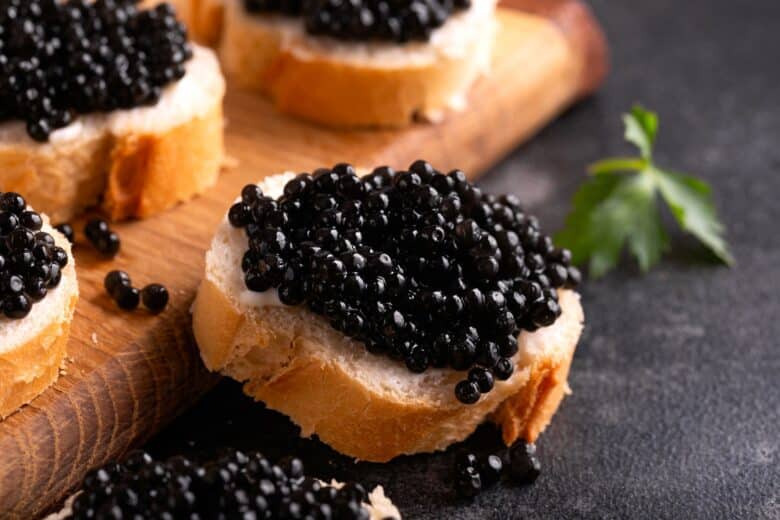
What does 43 percent of a country actually agree on? Disliking or hating caviar, according to that same YouGov poll. Salty. Fishy. Textured in a way that reads as pure sensory overload for plenty of people, no matter how many blini it’s served alongside. The luxury reputation is fairly recent too. American bartenders in the 1880s couldn’t give caviar away fast enough, piling it onto free bar snacks specifically because the saltiness kept customers drinking, before overfishing flipped the whole script.

Oysters
Forty-two percent. Right behind caviar, practically tied. Texture does most of the damage. Diners chase them with lemon and hot sauce just to cope, and “an acquired taste” is often code for polite pretending. Not an uncommon reaction either.

Foie gras
Buttery, rich, and made from fattened duck or goose liver through a force-feeding process called gavage. Plenty of diners find that genuinely off-putting once they learn the details, and it’s banned outright in 17 countries as a direct result. The ethical baggage combined with the slimy texture makes this a prime candidate for something ordered to look sophisticated. Rarely because anyone actually wants a second bite.
Escargot
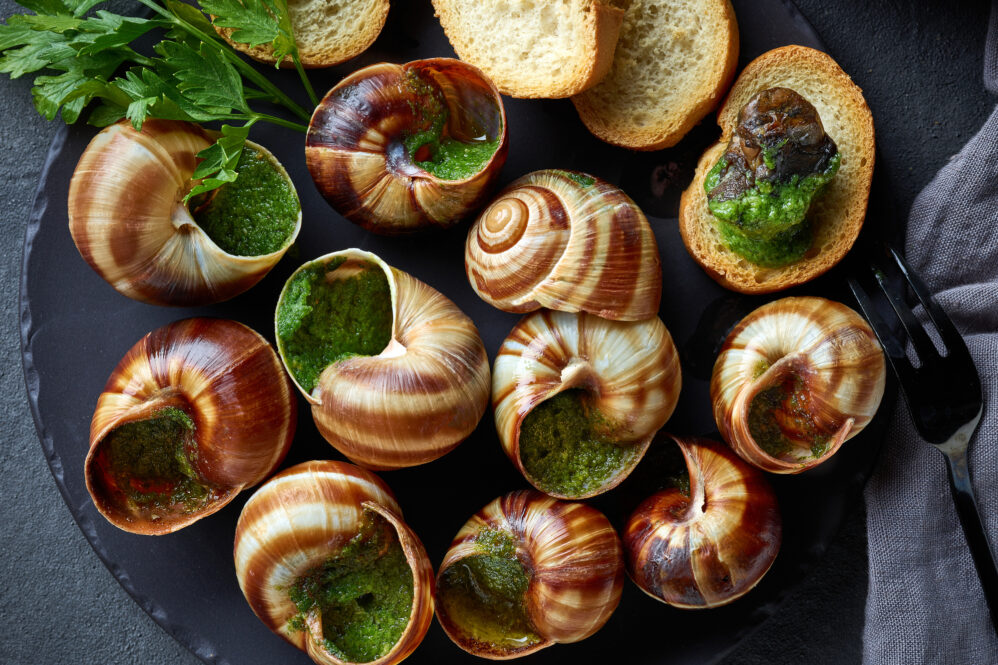
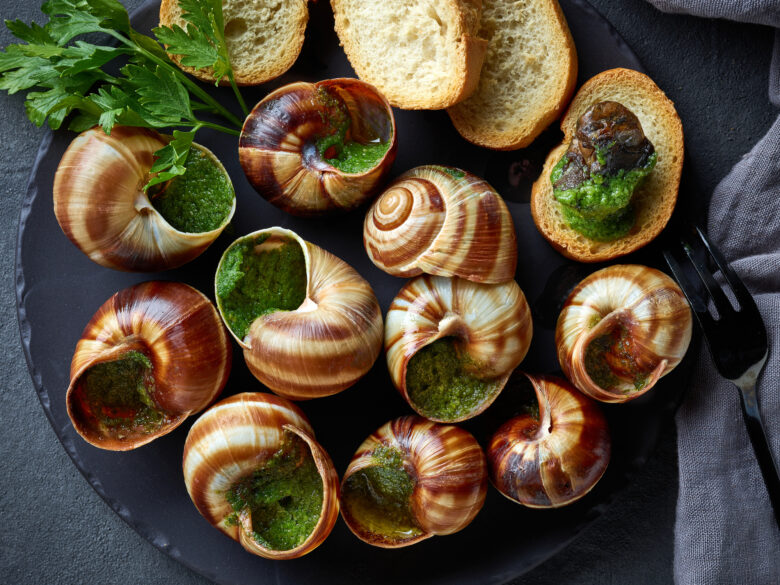
Snails, cooked, usually drenched in garlic butter to distract from what they technically are. Ask anyone outside a fairly narrow slice of committed foodies and escargot reads less like an appetizer and more like a punchline in America specifically.
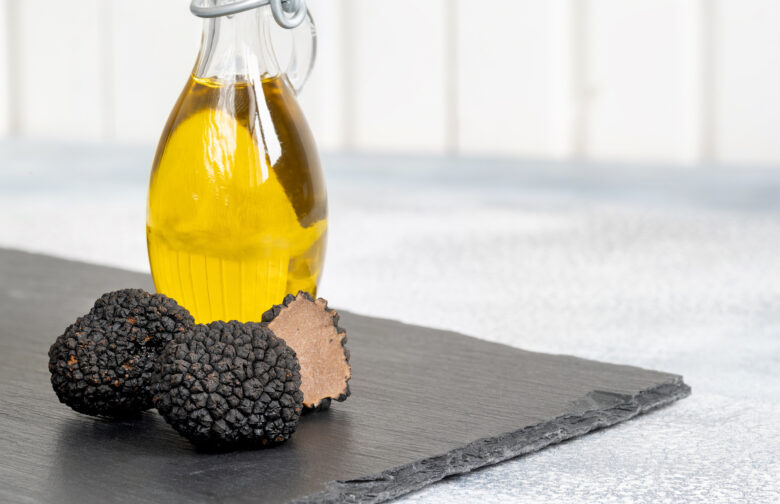
Truffle oil
Here’s the part that stings a little. Most truffle oil contains zero real truffle. Built around a lab-engineered compound instead, 2,4-dithiapentane, that barely resembles the actual flavor it’s imitating. Chefs themselves dislike the overpowering result more often than menus admit. Restaurants keep pouring it over fries and pasta anyway. Mostly to justify a higher number next to the dish.
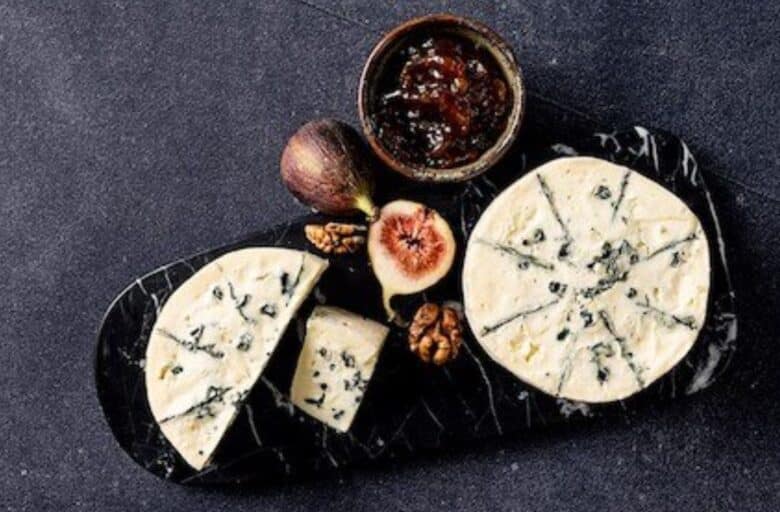
Blue cheese
Thirty-nine percent. Same YouGov survey, the only dairy item that made the list at all. The mold is the whole point, technically, and also exactly what turns people off before the first bite. Steakhouse wedge salads keep serving it regardless, crumbled generously, whether the table actually asked for it or not.
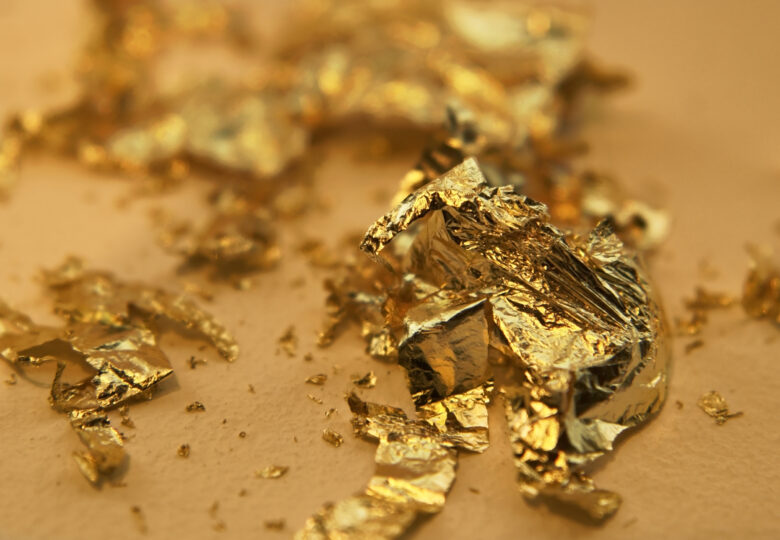
Edible gold leaf
Flakes and sheets of actual gold, wrapped around burgers or draped over desserts. Shimmer. Essentially zero flavor. The tradition traces back to medieval medicinal rituals, not Michelin kitchens, and it still catches the eye far more reliably than it pleases anyone’s actual palate.
The bottom line
None of these foods are actually bad, exactly. What’s happening is closer to a status test than a genuine culinary preference, and the survey data suggests a whole lot of people have been quietly failing that test at dinner for years. One polite, forced bite at a time.
Ask us! What questions do you have about content, strategy, pop culture, lifestyle, wellness, history or more? We may use your question in an upcoming article!
Related:
- 10 healthier fast food orders that are actually worth trying
- 20 foods we stock up on before they disappear
Like MediaFeed’s content? Be sure to follow us.
This article was syndicated by MediaFeed.co.