Classic cars that defined the small-town parade
There is a specific kind of American summer moment that requires no explanation to anyone who grew up with it. A main street blocked off, folding chairs on the sidewalk, a fire truck at the front of the line, and then the cars. Not the newest models. The old ones, polished to a condition they never achieved in daily use. The cars that defined those parades were not chosen randomly. They were the same cars, in every small town, every year, because they earned their place there.
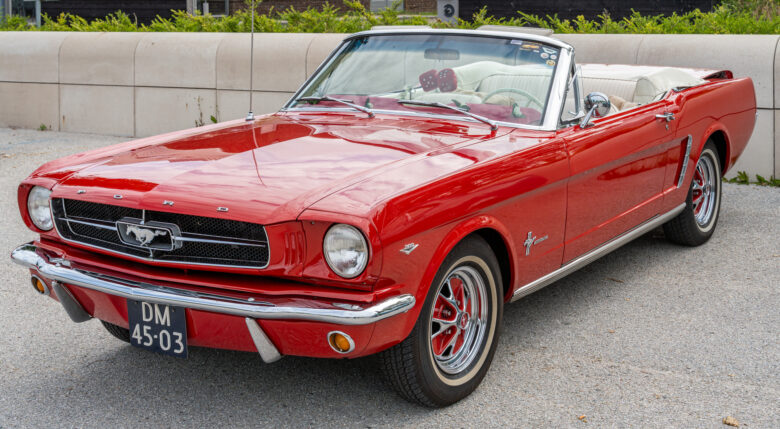
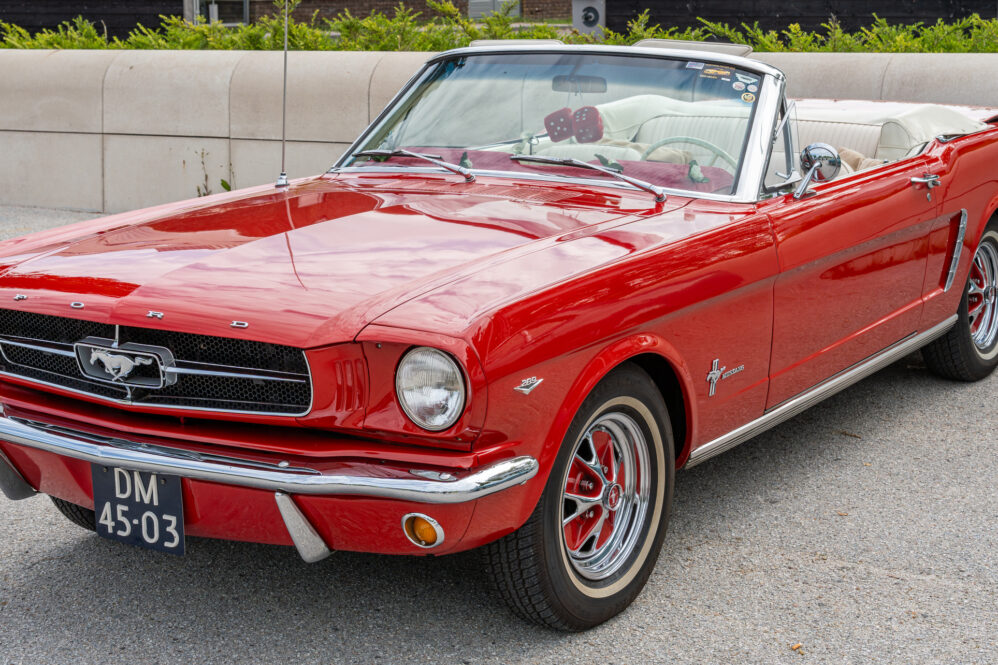
The Ford Mustang convertible
The Mustang invented a category. Introduced in 1964 at a price point that made it accessible and in a body style that made it desirable, it became the car that defined American automotive aspiration for a generation. Hagerty’s community is full of accounts of 1969 Mustang convertibles pulling parade crowds that older models only dream about. Drop the top, slow to parade speed, and you are not driving a car. You are participating in a civic ritual.
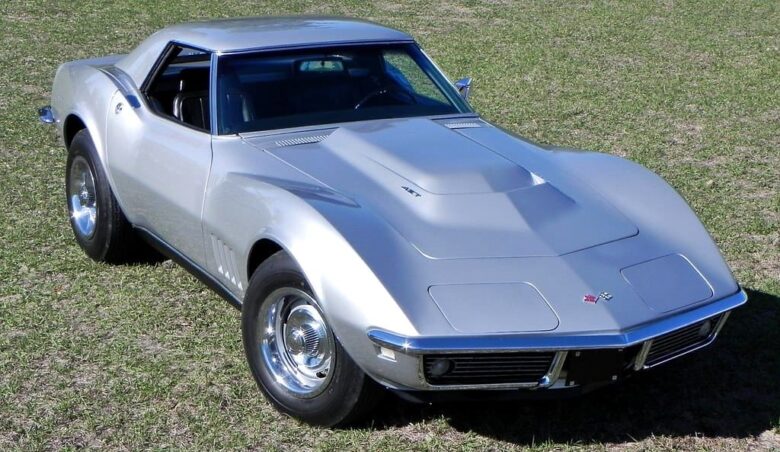
The Chevrolet Corvette
Hagerty’s readers have argued for years that any parade car list omitting the Corvette convertible commits a significant oversight. The C3, C4 and C5 generations have been showing up in Fourth of July parades since Nixon was president. No other car makes the same statement about American achievement at the same price point.
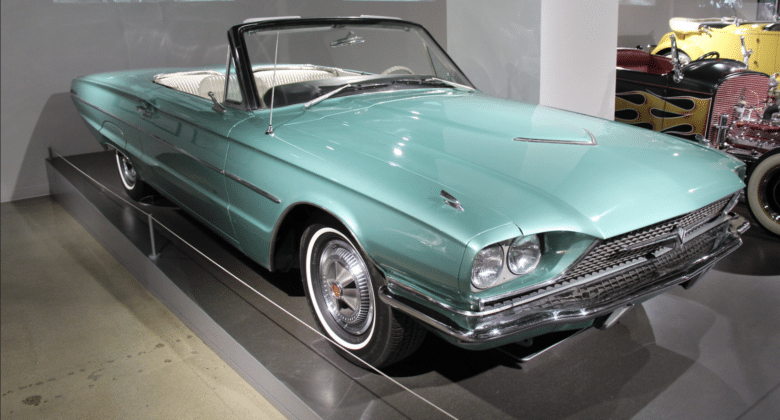
The Ford Thunderbird
The T-Bird began in 1955 as Ford’s answer to the Corvette and immediately won Motor Trend Car of the Year. Hagerty documents how it evolved from sports car to luxury grand tourer, accumulating styling changes that now read as a complete visual record of American automotive aspiration. In small towns across the Midwest, the Thunderbird somebody’s parents bought in 1965 is still the same car being waved at sixty years later.
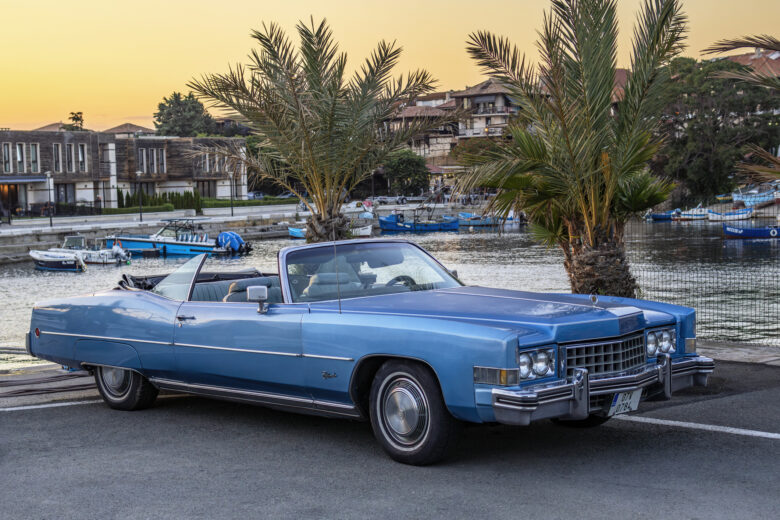
The Cadillac convertible
There is a reason every beauty queen in American history has been driven in a Cadillac. The fins, the chrome, the dimensions; all of it designed for exactly this kind of visibility. A Cadillac convertible at parade speed is not transportation. It is American ceremony, and the car understood this long before anyone put it in a parade.
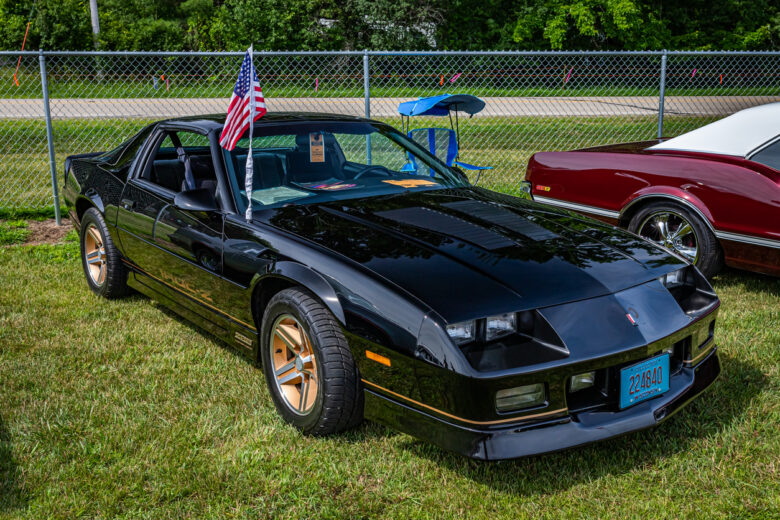
The Chevrolet Camaro
The Camaro arrived in 1966 as GM’s direct response to the Mustang and spent the next fifty years being somebody’s first car, somebody else’s restoration project and every small town’s second-most-anticipated parade vehicle after the fire truck. At parade speed with the windows down, there is nothing that sounds quite like a Camaro V8 idling past people who grew up wanting one.
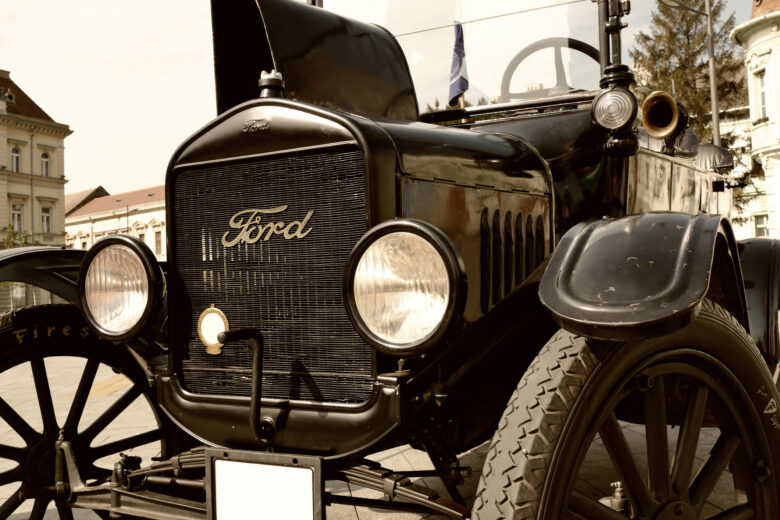
The Model T Ford
The obligatory entry. Hagerty’s guide leads with it and is right to do so. The Model T was sold for eighteen years with minimal changes and defined personal transportation for a country that had never quite had it before. When a Model T appears at a small-town parade, people don’t just wave. They stop talking.
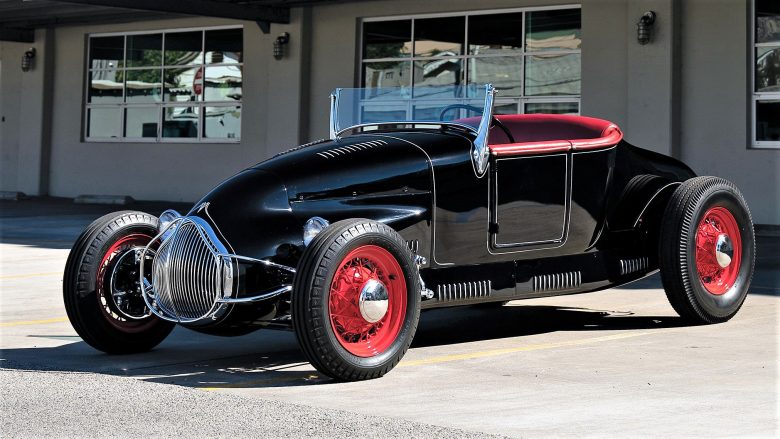
The bottom line
The cars that define small-town parades are not the rarest or the most expensive. They are the ones that carry the most collective memory. That is the only qualification that matters on a parade route.
Ask us! What questions do you have about content, strategy, pop culture, lifestyle, wellness, history or more? We may use your question in an upcoming article!
Related:
- 10 car features we thought were high-tech in the ’80s
- Rare muscle cars almost no one has seen on the road
Like MediaFeed’s content? Be sure to follow us.
This article was syndicated by MediaFeed.co.