
10 Ways Seeing AI-Generated Bodies Affects Our Self-Esteem
As AI-generated images become more common across social media, advertising, and online content, researchers are beginning to study how they influence the way people feel about their own bodies. While artificial intelligence can create everything from landscapes to lifelike human faces, not all AI-generated images have the same psychological effects.
A recent study found that the type of AI-generated image matters. Idealized bodies were more likely to reduce body satisfaction, while diverse and body-positive images were associated with healthier outcomes. Here are 10 findings that help explain the connection between AI imagery and body image.
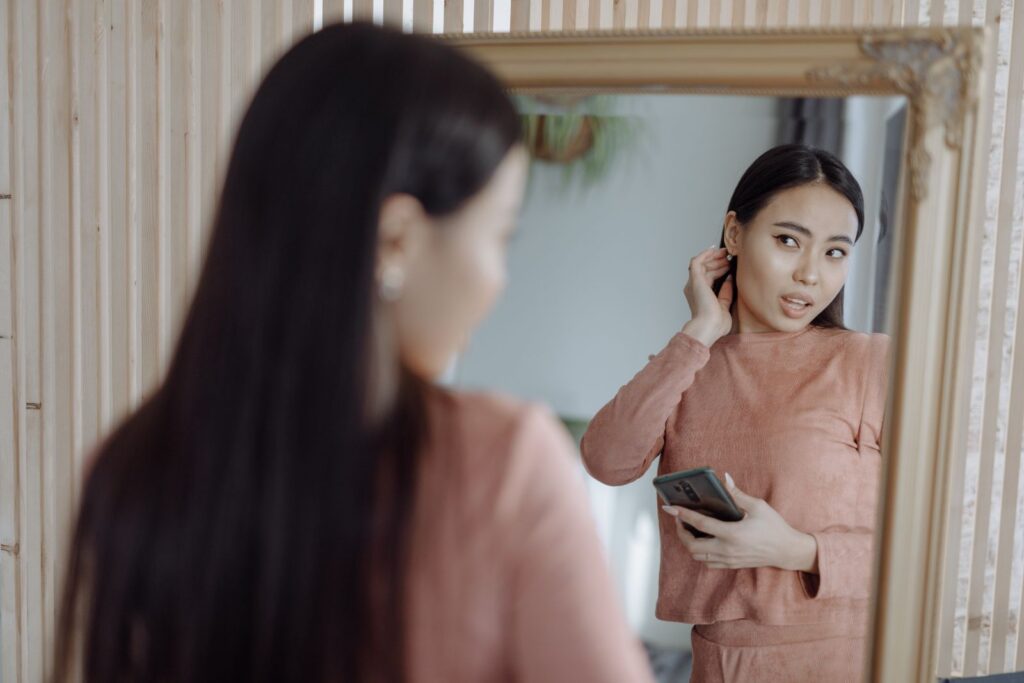
10. Idealized AI Bodies Can Reduce Body Satisfaction
AI-generated images that reflect narrow beauty ideals may negatively affect how people feel about their own appearance.
Participants who viewed idealized AI-generated bodies reported lower body satisfaction, suggesting that these images can encourage comparisons with unrealistic standards.
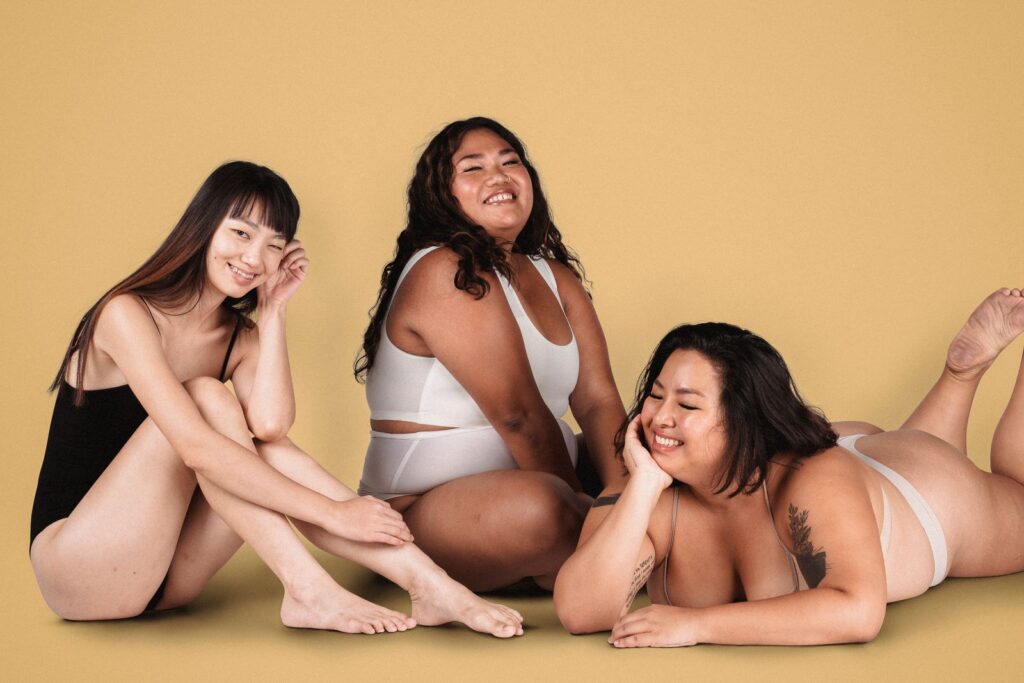
9. Diverse Body Types Can Foster a More Positive Self-Image
Not all AI-generated body images had negative effects.
Images featuring a wider range of body types were associated with healthier body image, reinforcing the idea that greater representation can support a more balanced view of physical appearance.
8. Neutral Images May Offer a Mental Reset
Researchers found that AI-generated images don’t have to feature people to influence viewers’ experiences.
Viewing neutral images, such as objects or scenery, may provide a break from appearance-focused comparisons that often occur when looking at idealized human figures.
7. Knowing an Image Is AI-Generated May Help
The study found that disclosing an image was created by artificial intelligence could reduce some of its negative effects.
While this wasn’t a complete solution, knowing an image wasn’t a photograph appeared to help some participants place what they were seeing into context.

6. Some People Are More Susceptible Than Others
Individuals who frequently compare their appearance to others or strongly internalize beauty ideals appeared to be more affected by AI-generated body images.
This suggests that personal tendencies and existing body-image concerns may influence how someone responds to online content.

5. Unrealistic Images Still Invite Comparison
Even when viewers know an image isn’t real, comparison can still happen.
Researchers found that idealized AI-generated bodies may continue to influence self-perception because appearance comparisons often occur automatically rather than consciously.
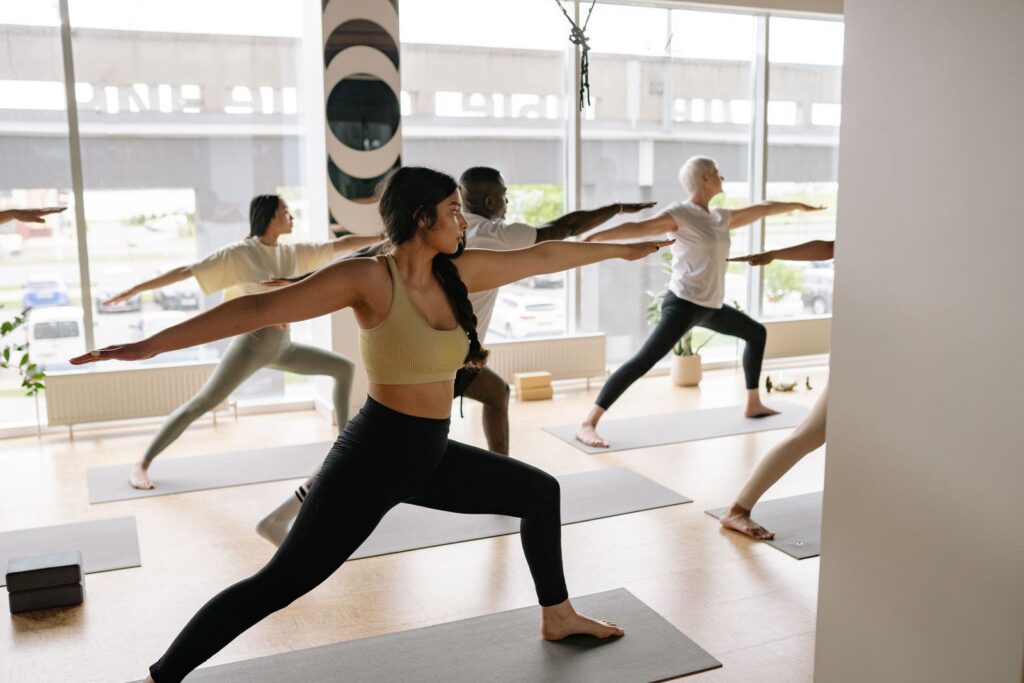
4. Diverse Images Can Shift the Focus to What Bodies Can Do
When AI-generated images portrayed a broader range of bodies engaged in everyday activities, they appeared to support a healthier perspective.
Rather than emphasizing appearance alone, these images encouraged appreciation for body functionality and everyday capability.

3. Appearance Comparisons Often Happen Automatically
People don’t always choose to compare themselves with others.
The researchers noted that appearance comparisons can happen almost automatically, which may explain why even obviously artificial images can influence body satisfaction.

2. Simply Labeling AI Images Isn’t a Complete Solution
Transparency can help, but it doesn’t eliminate the influence of idealized imagery.
The study suggests that while AI labels may reduce some negative effects, they don’t fully prevent people from comparing themselves to unrealistic body standards.

1. The Type of AI Image Matters More Than the Technology Itself
Perhaps the study’s most important finding is that AI-generated images aren’t inherently harmful or beneficial.
Instead, their impact depends largely on how they’re designed. Images that reinforce narrow beauty ideals may undermine body satisfaction, while more diverse and realistic portrayals can support healthier attitudes toward body image.
Read More:
- 10 Tips for Helping Children and Teens Manage Anxiety
- 10 Ways to Teach Kids to Question AI Answers
- Why Job Anxiety Is Rising: 10 Key Reasons
Ask us! What questions do you have about content, strategy, pop culture, lifestyle, wellness, history or more? We may use your question in an upcoming article!
Like MediaFeed’s content? Be sure to follow us.
This article originally appeared on Resourcebuzz and was syndicated by MediaFeed.co.