10 Inventions That Have Been Lost to Time
Throughout history, humanity has created countless inventions that have shaped the course of civilization. However, some of these remarkable innovations have been lost to time, leaving behind only tantalizing clues about their existence. While modern science has made incredible strides, there are still certain creations from the past that remain enigmatic.
The mystery surrounding these lost inventions continues to captivate historians and scientists alike. Here are 10 inventions that have baffled experts and resisted modern attempts at recreation.

10. Girolamo Segato’s Petrification Method
Girolamo Segato developed a unique method for preserving bodies by petrifying them.
Inspired by Egyptian mummification, Segato’s technique mineralized corpses, preserving their shape and color. Unfortunately, he took the secrets of his process to the grave, leaving modern science unable to replicate his work.

9. Greek Fire
Greek Fire was a formidable weapon used by the Byzantine Empire in naval warfare.
The exact composition of this incendiary weapon remains a mystery, though it is believed to have included petroleum and other flammable substances. Its ability to burn on water made it a feared tool in battle.
8. Roman Concrete
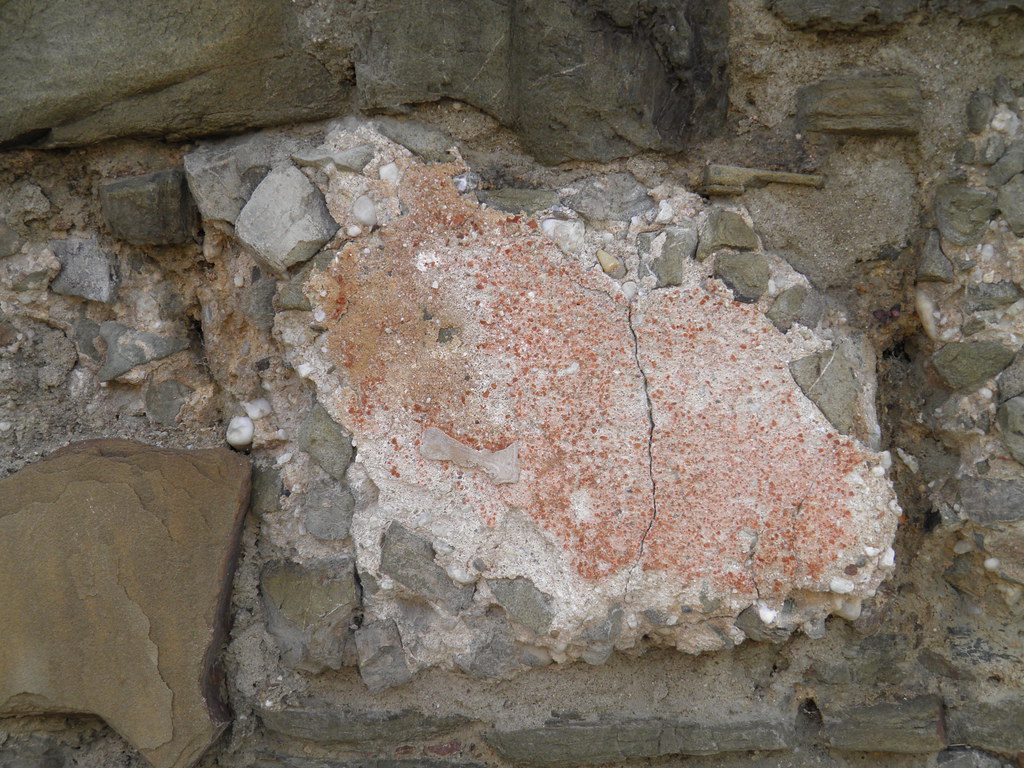
Roman concrete was an ancient building material that surpassed modern concrete in durability.
Unlike modern concrete, Roman concrete strengthened over time, particularly when exposed to seawater. The precise recipe remains unknown, though it involved lime and volcanic ash.
7. Zhang Heng’s Seismoscope
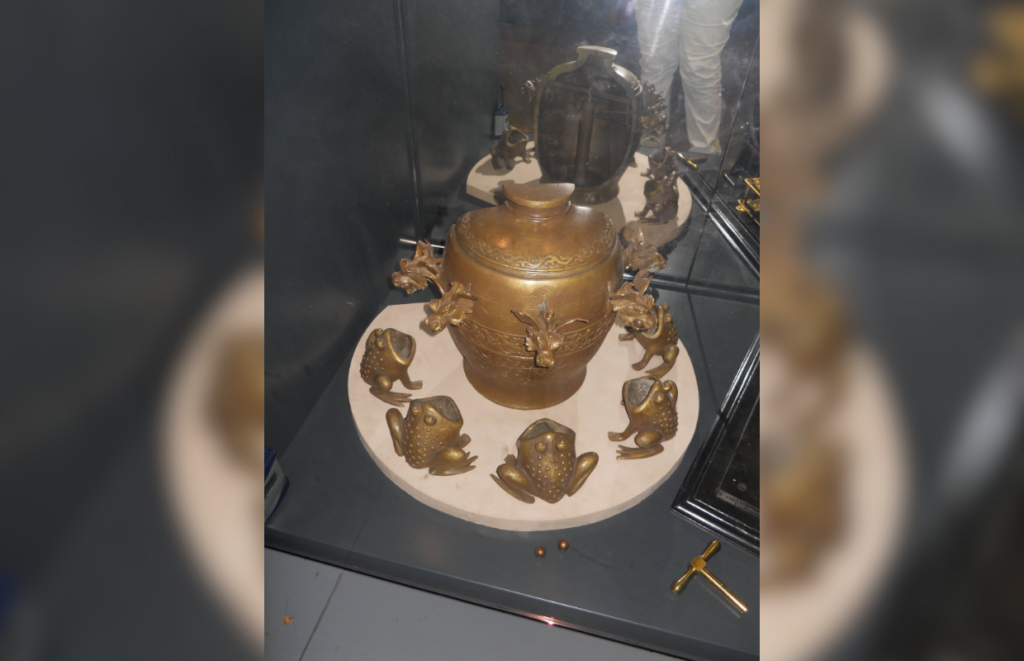
Zhang Heng invented the first known seismoscope, capable of detecting distant earthquakes.
Although replicas have been made based on descriptions, the exact mechanics of this ancient device remain unclear. It was capable of detecting seismic activity from hundreds of miles away.
6. The Antikythera Mechanism
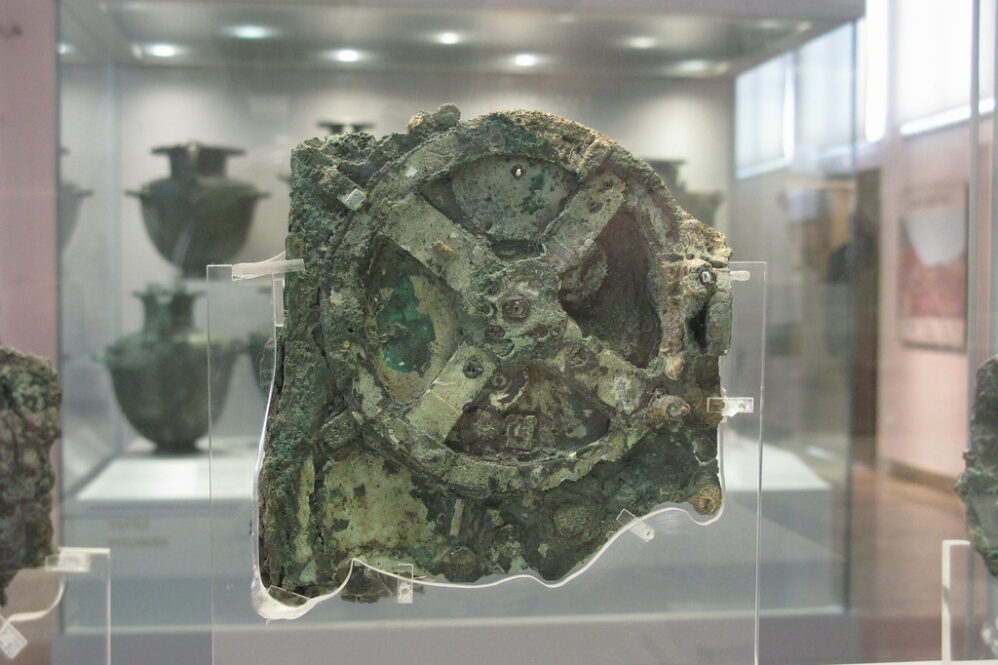
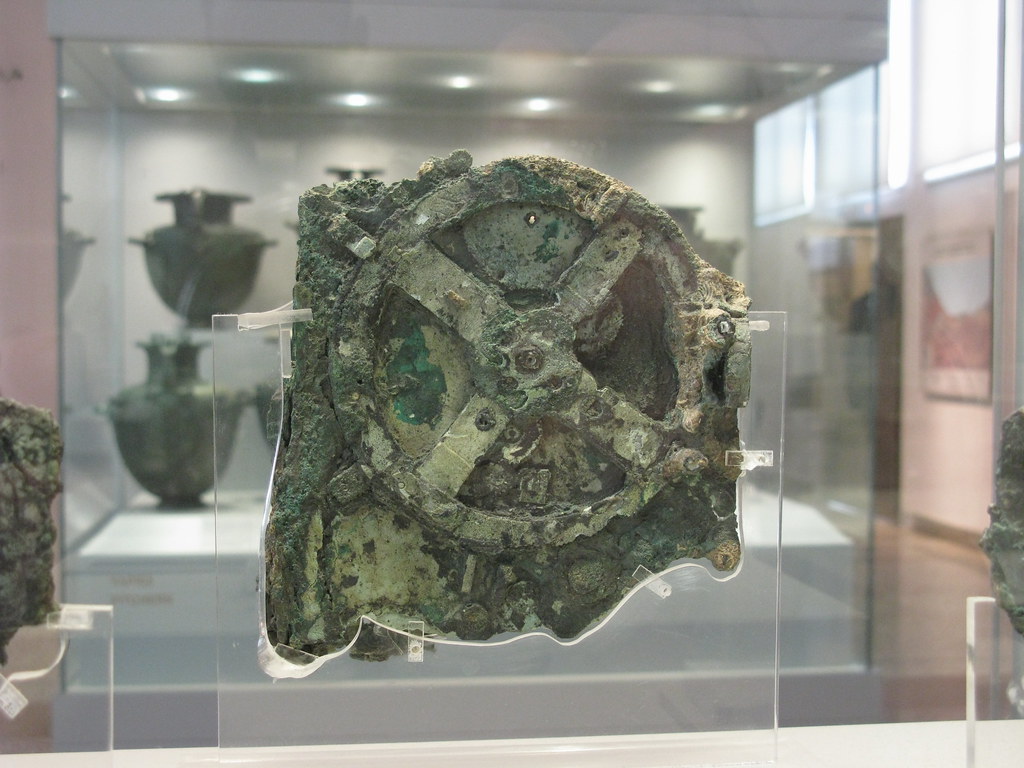
Discovered in a shipwreck, the Antikythera Mechanism is an ancient analog computer.
This complex device was used to predict astronomical positions and eclipses. Its sophisticated technology was not seen again for centuries, and its full capabilities are still being studied.
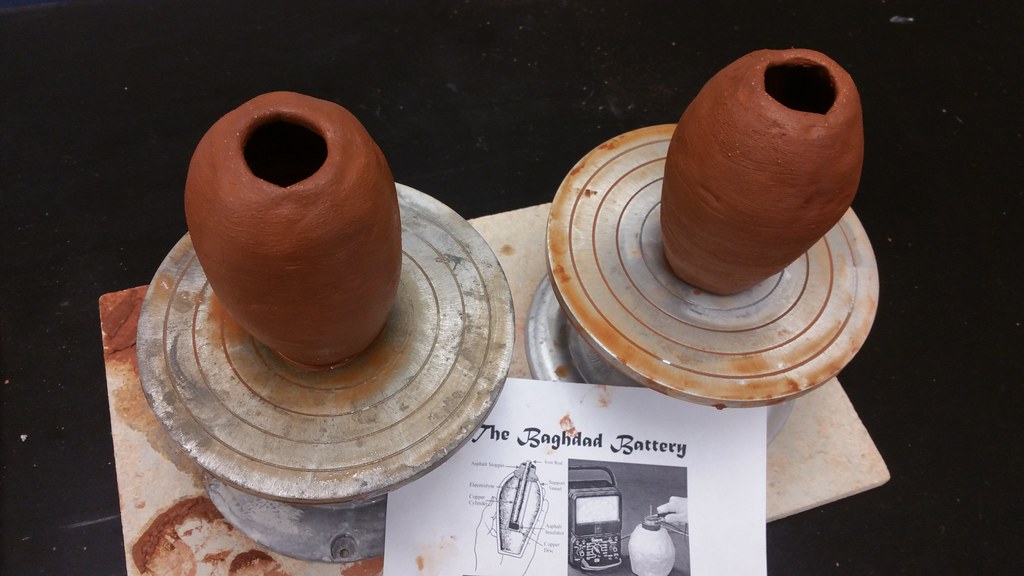
5. The Baghdad Battery
The Baghdad Battery is thought to be an ancient galvanic cell used for electroplating.
Found in Iraq, this artifact consists of a clay jar with a copper cylinder and an iron rod. Its exact purpose is debated, but it suggests that ancient cultures might have had knowledge of electricity.
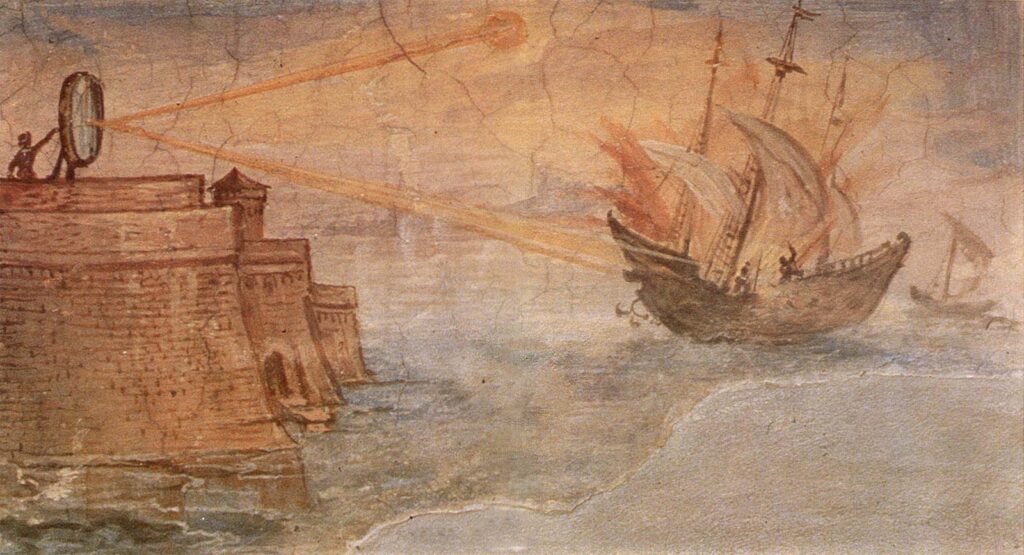
4. The Archimedes Heat Ray
Legend has it that Archimedes used mirrors to focus sunlight and set enemy ships ablaze.
While the feasibility of this invention remains controversial, it demonstrates the ingenuity of ancient engineers. Modern attempts to recreate the heat ray have met with limited success.
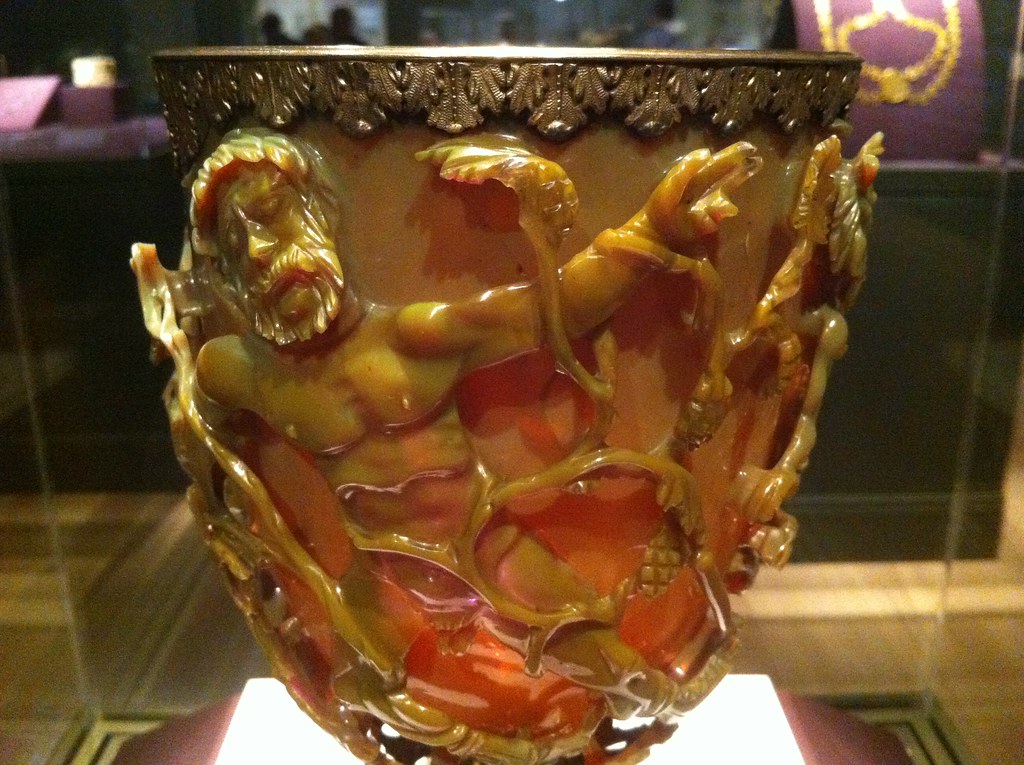
3. The Lycurgus Cup
The Lycurgus Cup is a Roman glass cup that changes color under different lighting.
This phenomenon is due to nanoparticles of gold and silver embedded in the glass. The exact method of its creation is unknown, showcasing the advanced craftsmanship of Roman artisans.
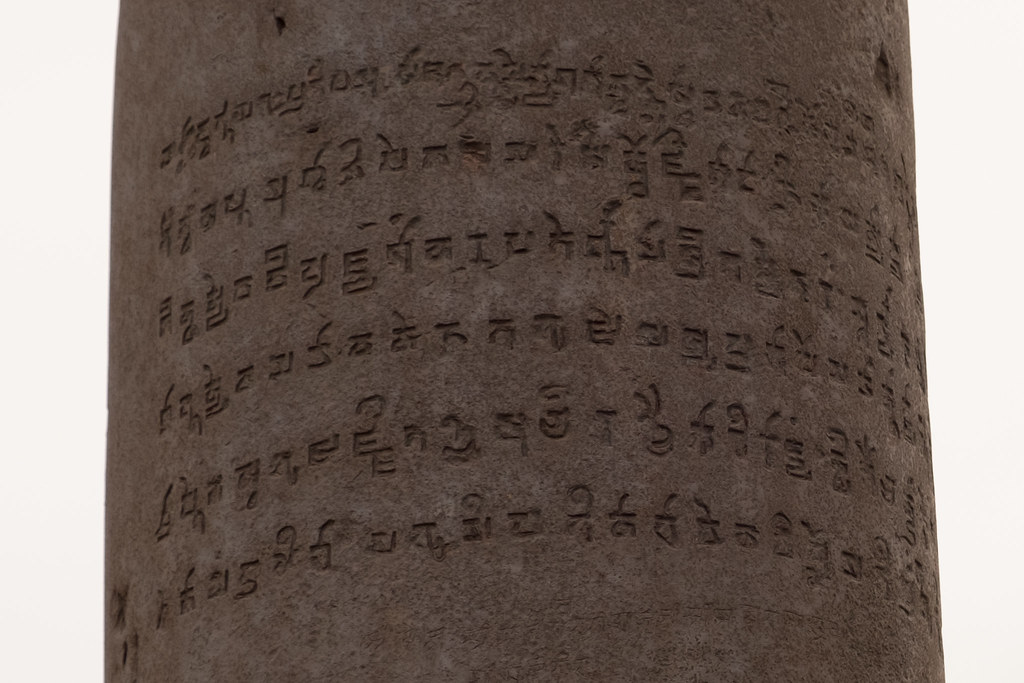
2. The Iron Pillar of Delhi
This ancient iron pillar has resisted corrosion for over 1,600 years.
Standing in Delhi, India, the pillar’s resistance to rust is attributed to its unique composition and the environmental conditions. The precise metallurgical techniques used remain a topic of study.

1. The Viking Sunstone
Vikings are believed to have used sunstones for navigation on cloudy days.
These crystals could polarize light, allowing sailors to locate the sun’s position even when it was obscured. The exact type of crystal and method used are still subjects of research.
Read More:
- 10 Witchcraft Accusations That Changed History
- The 10 Deadliest Beauty Trends in History
- 10 Everyday Phrases With Surprisingly Dark Histories
Ask us! What questions do you have about content, strategy, pop culture, lifestyle, wellness, history or more? We may use your question in an upcoming article!
Like MediaFeed’s content? Be sure to follow us.
This article originally appeared on Resourcebuzz and was syndicated by MediaFeed.co.