
9 Surprising Findings About Coffee and Heart Health
Coffee is a beloved ritual for many, offering warmth and a moment of calm before the day begins. However, its impact on heart health has been a topic of debate. A recent scientific statement from the American Heart Association sheds light on how caffeine and coffee consumption may affect cardiovascular health.
The findings are nuanced, highlighting potential associations with moderate consumption while cautioning against certain brewing methods and concentrated caffeine sources. Here are nine key insights from the research.

9. Moderate Consumption Lowers Heart Disease Risk
Drinking 2 to 4 cups of caffeinated coffee per day has been linked to a reduced risk of heart disease. This moderate intake of up to 3 to 5 eight-ounce cups or no more than about 400 milligrams of caffeine is considered safe for most adults.
Coffee contains bioactive compounds that may benefit heart health beyond caffeine, contributing to a lower risk of heart conditions.
8. Coffee and Stroke Prevention
Consuming 3 to 4 cups of coffee daily has been associated with a 21% lower risk of stroke compared to non-coffee drinkers.
This benefit highlights coffee’s potential protective effects against cardiovascular events.
7. Atrial Fibrillation and Coffee
In a randomized study of 200 adults with persistent atrial fibrillation, consuming at least one cup of caffeinated coffee per day was associated with a 39% lower relative risk of recurrence
This finding challenges the notion that coffee negatively impacts heart rhythm.
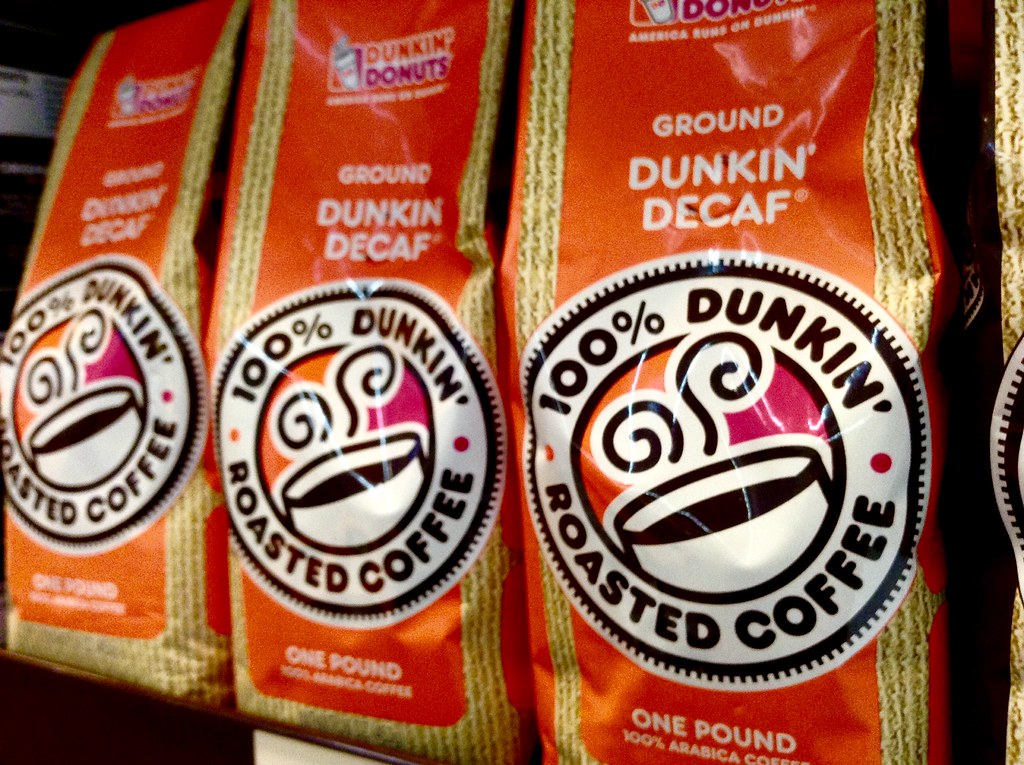
6. The Role of Decaffeinated Coffee
Decaffeinated coffee has also been associated with a lower risk of coronary heart disease in observational research, suggesting that caffeine may not be the only relevant component.
The beneficial compounds in coffee extend beyond caffeine, offering heart protection even without the stimulant.

5. Brewing Methods Matter
Unfiltered coffee, like French press or Turkish, contains cafestol, which has been associated with higher LDL cholesterol levels.
Opting for paper-filtered coffee can help mitigate this risk, as it removes most of the cafestol.

4. The Impact of Energy Drinks
Energy drinks do not offer the same documented heart health benefits as coffee and may pose risks like increased blood pressure and heart rhythm disruptions.
Their ingredients alter caffeine absorption, making them less beneficial compared to a brewed cup of coffee.

3. Sweeteners and Add-ins
Adding large amounts of sugar or flavored syrups can negate the potential health benefits of coffee.
To maximize heart benefits, enjoy coffee black or with minimal additives.

2. Individual Caffeine Sensitivity
Genetic differences affect how individuals metabolize caffeine, influencing their cardiovascular response.
Those with caffeine sensitivity or medications that interact with caffeine should consult with healthcare providers to determine safe consumption levels.

1. The Sweet Spot for Coffee Lovers
For most adults, 3 to 5 eight-ounce cups of filtered coffee per day are optimal for heart health benefits.
This range balances the protective effects of coffee’s compounds with the potential risks of excessive caffeine intake.
Read More:
- The Perfect Coffee Order for Every Zodiac Sign
- 10 Pros and Cons of That Morning Cup of Coffee
- 10 Things to Know About Coffee and Performance
Ask us! What questions do you have about content, strategy, pop culture, lifestyle, wellness, history or more? We may use your question in an upcoming article!
Like MediaFeed’s content? Be sure to follow us.
This article originally appeared on Resourcebuzz and was syndicated by MediaFeed.co.