These 20 Common Habits Are Secretly Fueling Anxiety
Anxiety doesn’t always arrive because of a major life crisis.
More often, it sneaks in through small daily habits that slowly keep your brain and nervous system on high alert. The tricky part is that many of these behaviors feel productive, responsible, or completely normal.
The good news? Once you recognize these hidden anxiety triggers, they’re often surprisingly easy to change.
Here are 20 common habits that may be quietly fueling your anxiety—and what to do instead.

20. Checking Your Phone the Moment You Wake Up
Starting your day with emails, news alerts, and social media immediately puts your brain into reaction mode.
Try this instead: Give yourself 15 to 30 minutes before checking notifications. Start your day on your terms rather than someone else’s.

19. Scrolling Before Bed
Late-night doomscrolling can overstimulate your brain and make it harder to fall asleep.
Try this instead: Swap your phone for a book, calming music, stretching, or a simple bedtime routine.

18. Skipping Meals
Low blood sugar can mimic anxiety symptoms, including shakiness, irritability, and difficulty concentrating.
Try this instead: Eat regular meals that include protein, healthy fats, and fiber to help keep energy and mood stable.

17. Drinking Too Much Caffeine
Coffee isn’t the enemy, but excessive caffeine can increase heart rate, nervousness, and anxious feelings.
Try this instead: Pay attention to how caffeine affects you and consider reducing afternoon intake if you’re feeling wired.

16. Constant Multitasking
Many people think multitasking improves productivity.
Research suggests the opposite. Constant task-switching can increase stress and mental fatigue.
Try this instead: Focus on one task at a time whenever possible.

15. Avoiding Exercise
You don’t need marathon-level fitness to improve your mental health.
Even modest physical activity helps lower stress hormones and improve mood.
Try this instead: Take a short walk, stretch, dance, or do any movement you genuinely enjoy.

14. Saying “Yes” to Everything
Overcommitting can leave you overwhelmed, exhausted, and resentful.
Try this instead: Practice pausing before agreeing to requests and give yourself permission to decline.

13. Replaying Conversations in Your Head
Most people spend far less time analyzing your words than you think.
Try this instead: When you catch yourself replaying a conversation, gently redirect your attention to the present moment.

12. Bottling Up Your Emotions
Ignoring feelings doesn’t make them disappear.
It usually just gives them more time to build pressure.
Try this instead: Journal, talk with a trusted friend, or find healthy ways to express what you’re feeling.

11. Running on Too Little Sleep
Poor sleep and anxiety often create a frustrating cycle.
Anxiety disrupts sleep, and lack of sleep increases anxiety.
Try this instead: Aim for a consistent sleep schedule and prioritize quality rest whenever possible.

10. Comparing Yourself to Everyone Else
Social media often showcases carefully curated highlight reels rather than real life.
Try this instead: Focus on your own progress instead of measuring yourself against someone else’s best moments.
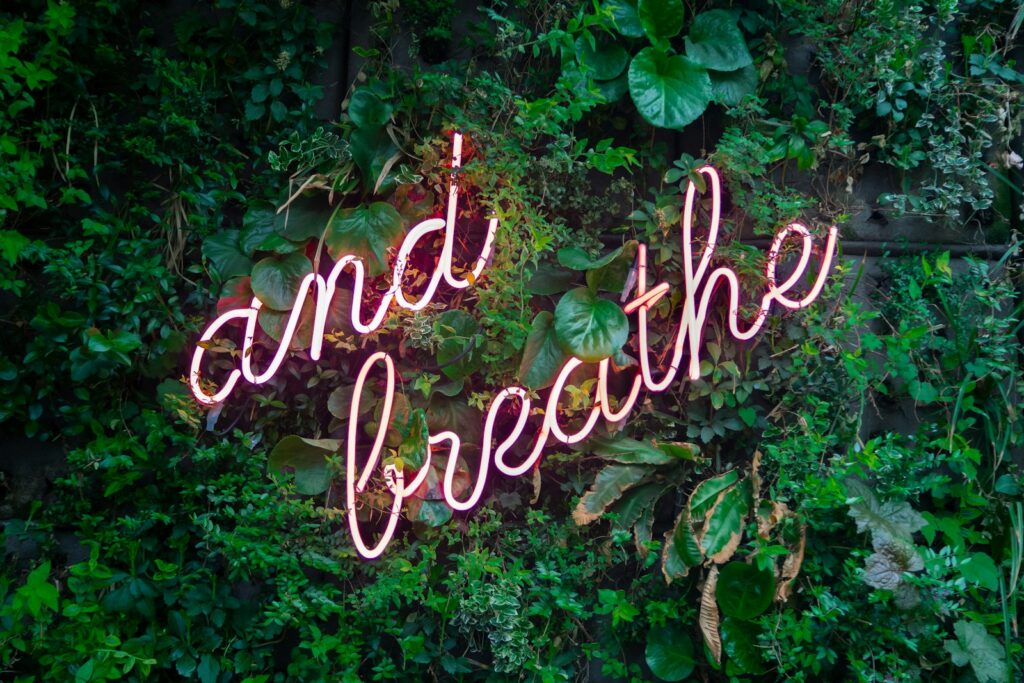
9. Ignoring Your Breathing
Many people breathe more shallowly when stressed without even noticing.
Try this instead: Take a few slow breaths, inhaling deeply and exhaling longer than you inhale.

8. Worrying About Things You Can’t Control
It’s natural to worry, but constantly focusing on uncontrollable outcomes creates chronic stress.
Try this instead: Ask yourself, “Is there anything I can actually do about this right now?”
If not, redirect your energy elsewhere.

7. Seeking Constant Reassurance
Reassurance can feel comforting temporarily, but relying on it too often may strengthen anxiety over time.
Try this instead: Practice tolerating uncertainty and building confidence in your own judgment.
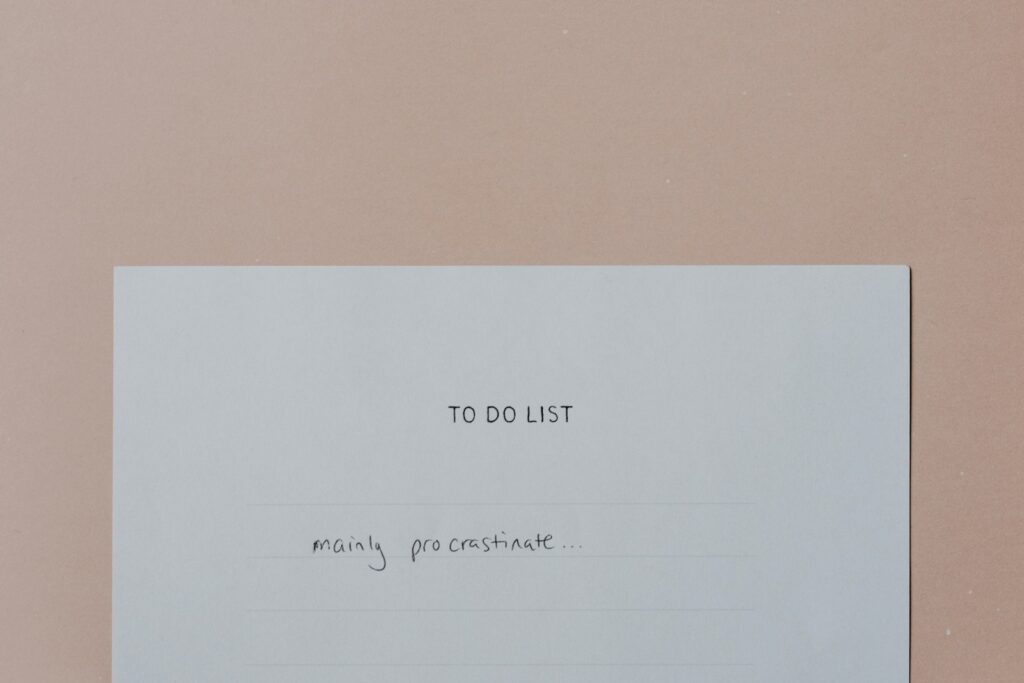
6. Procrastinating Difficult Tasks
Avoidance provides temporary relief but usually increases anxiety later.
Try this instead: Break intimidating tasks into small, manageable steps and start with the easiest piece.
5. Spending Too Little Time Outdoors
Fresh air, sunlight, and nature can have measurable benefits for mental well-being.
Try this instead: Even a brief daily walk outside can make a difference.

4. Living in Constant Clutter
A chaotic environment can create subtle mental strain and make it harder to relax.
Try this instead: Spend five minutes tidying one small area rather than trying to tackle everything at once.

3. Using Harsh Self-Talk
Many people say things to themselves they’d never say to a friend.
Try this instead: Practice speaking to yourself with the same patience and compassion you’d offer someone you care about.

2. Treating Rest Like Laziness
Constant productivity sounds admirable until it turns into burnout.
Your brain needs recovery time just as much as your body does.
Try this instead: Schedule downtime the same way you’d schedule work or appointments.

1. Believing Every Thought You Have
This may be the biggest anxiety trap of all.
Thoughts aren’t facts. They’re mental events that come and go.
Try this instead: Notice your thoughts without immediately accepting them as truth. Ask yourself whether there’s actual evidence behind what you’re thinking.

Small Habits Create Big Changes
Anxiety often grows through repetition, but so does resilience.
You don’t need to change all 20 habits at once. In fact, trying to do that would probably create more stress.
Instead, pick one habit that resonates with you and focus on improving it this week. Small changes, repeated consistently, often have the biggest impact on your mental well-being over time.
Read More:
- How to Deal With Difficult People and Keep Your Peace
- 15 Tiny Mindset Changes That Can Improve Your Mental Health
- 10 Subtle Signs Someone Might Be a Covert Narcissist
Ask us! What questions do you have about content, strategy, pop culture, lifestyle, wellness, history or more? We may use your question in an upcoming article!
Like MediaFeed’s content? Be sure to follow us.
This article originally appeared on Resourcebuzz and was syndicated by MediaFeed.co.