The worst years to be alive in the 17th century
At about three in the morning on September 2, 1666, Samuel Pepys’s maid woke him to say a great fire was burning in the City. He looked, decided it was far enough off, and went back to bed.
That was one bad year of several. The century also had a volcano in Peru that starved Russia, a winter that cut an English colony in Virginia down to about 60 people, and plagues that emptied cities.
Women’s experience of the century survives in print too. Madeleine de Scudéry’s Les Femmes illustres (1642) defended education, not beauty, as a woman’s route to social mobility. A century later, Charlotte Lennox’s The Female Quixote (1752) mocked the romances Scudéry’s generation wrote, and critics read it as an exploration of how few options women had. It’s set in the 1700s, though, so it’s a later echo, not a 17th-century record. Six years follow, in order, and the death tolls are estimates.

A volcano in Peru, a famine in Russia
On February 19, 1600, the Peruvian volcano Huaynaputina erupted, the largest eruption in South America’s recorded history. The next summer, heavy rains fell across Russia, and by the end of the growing season, most crops were clearly going to fail.
Geologists Kenneth Verosub and Jake Lippman linked the eruption to the famine of 1601 to 1603, which killed perhaps two million people, about a third of the country. More than 100,000 died in Moscow alone, and the government’s failure to answer it helped bring down Tsar Boris Godunov.
Of about 500, 61 remained
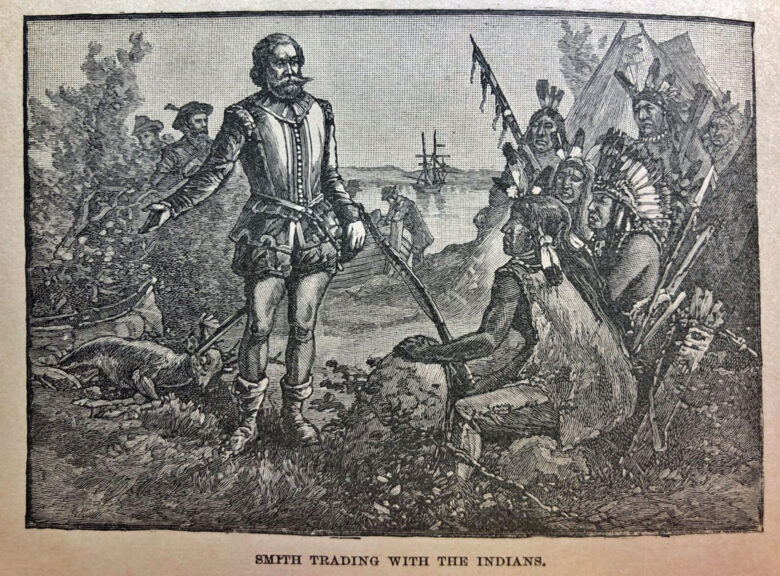
By spring 1610, only 61 of Jamestown’s roughly 500 residents were still alive. Captain John Smith had left Virginia on October 4, 1609, after a gunpowder accident, and with him gone, the Powhatans stopped trading food.
The new president, George Percy, wrote that no Englishmen had ever been left in such misery in a foreign country. On June 7, 1610, the survivors boarded ships and sailed downriver, and were met by a fleet carrying a new governor, Lord De La Warr, who ordered them back.
Who recorded the plague before Manzoni?
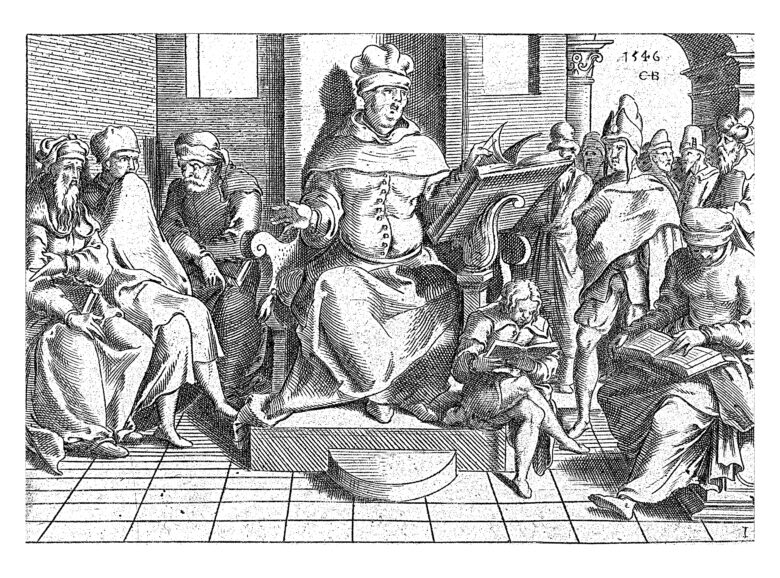
A physician named Sigismondo Boldoni. In 1629, he wrote letters from Bellano on Lake Como, describing the advance of German armies and the plague they brought. He died on July 3, 1630, at 32. Two centuries later, Alessandro Manzoni used the letters as a source for The Betrothed.
The plague arrived as soldiers fought in the War of the Mantuan Succession, part of the Thirty Years’ War. Across northern Italy, it caused at least 280,000 deaths, including about 60,000 of Milan’s 130,000 people and 46,000 of Venice’s 140,000.
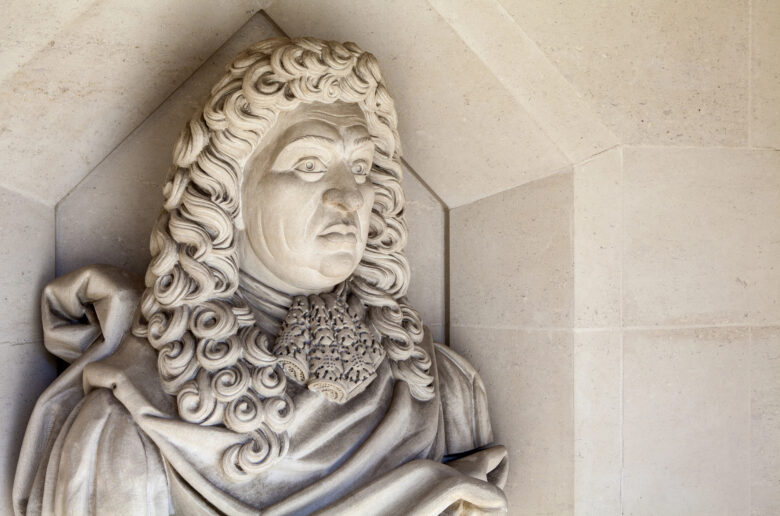
“Lord have mercy upon us”
On June 7, 1665, Samuel Pepys saw two or three houses on Drury Lane marked with a red cross, and those words written on the doors. He wrote that it was the first sight of its kind he’d ever seen. By year’s end, the plague had killed an estimated 100,000 Londoners, a quarter of the city, though the official count was 68,596.
Pepys described the empty streets, no boats on the river, fires burning in the street to cleanse the air, and a city that tolled bells day and night. He also noted how quickly he stopped being shocked: “I am come almost to think nothing of it.” His biographer, Claire Tomalin, notes that the plague year was one of his happiest and busiest, with two new appointments.
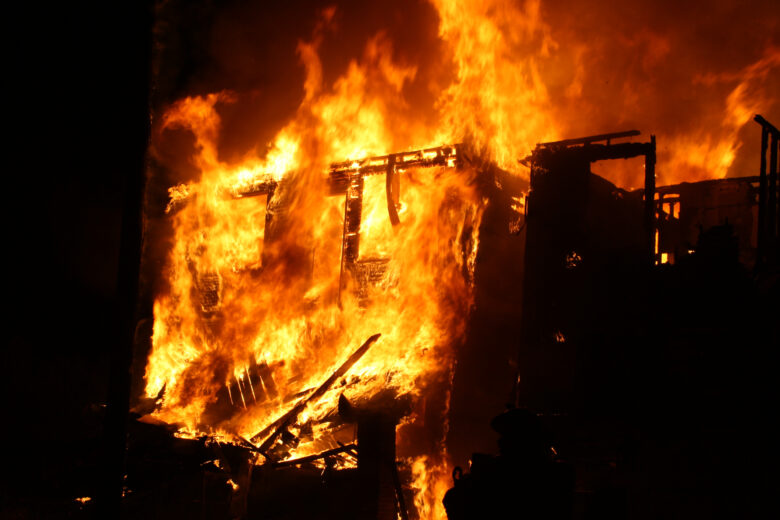
Back to bed
After the maid woke him, Pepys did go to bed. Hours later, he stood in an alehouse on the Bankside watching the fire grow and wrote that it was “a most horrid malicious bloody flame,” an arch of fire over a mile long. “It made me weep to see it,” he added.
By night he and Admiral Penn, the father of the founder of Pennsylvania, had dug a hole in the garden and buried their best wine and, famously, Pepys’s Parmesan cheese. The fire also made pigeons loath to leave their houses until they burned and fell.

The Great Black Year
In Finland, the famine of 1695 to 1697 killed about a third of the population in two years, 150,000 of 500,000 people, and is remembered as Det stora svartåret, “The Great Black Year.” The 1696 harvest was so bad that each farm reportedly produced one loaf of rye bread.
Scotland’s Seven Ill Years came from the same cold, the coldest decade in 750 years by tree rings, and between 5 and 15 percent of the population died. In 1698, Andrew Fletcher of Saltoun estimated that one in six Scots, about 200,000 people, had left home to beg. During the same famine in Estonia, Peter the Great later cited his retinue’s poor provisioning as a pretext for declaring war on Sweden.
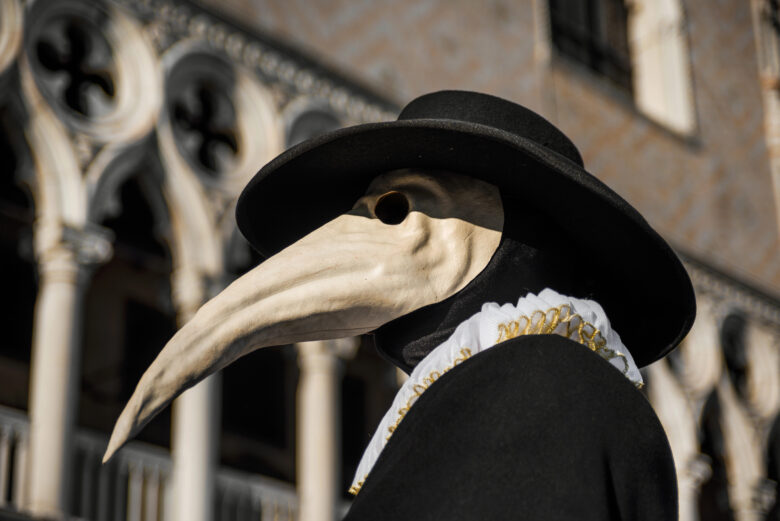
The bottom line
Pepys wrote about two of these years, and he went back to bed in one. The people who lived through the others left fewer words and larger numbers.
Ask us! What questions do you have about content, strategy, pop culture, lifestyle, wellness, history or more? We may use your question in an upcoming article!
Related:
- Historical “discoveries” that turned out to be elaborate hoaxes
- Some of the most surprising record deals in music history
Like MediaFeed’s content? Be sure to follow us.
This article was syndicated by MediaFeed.co.