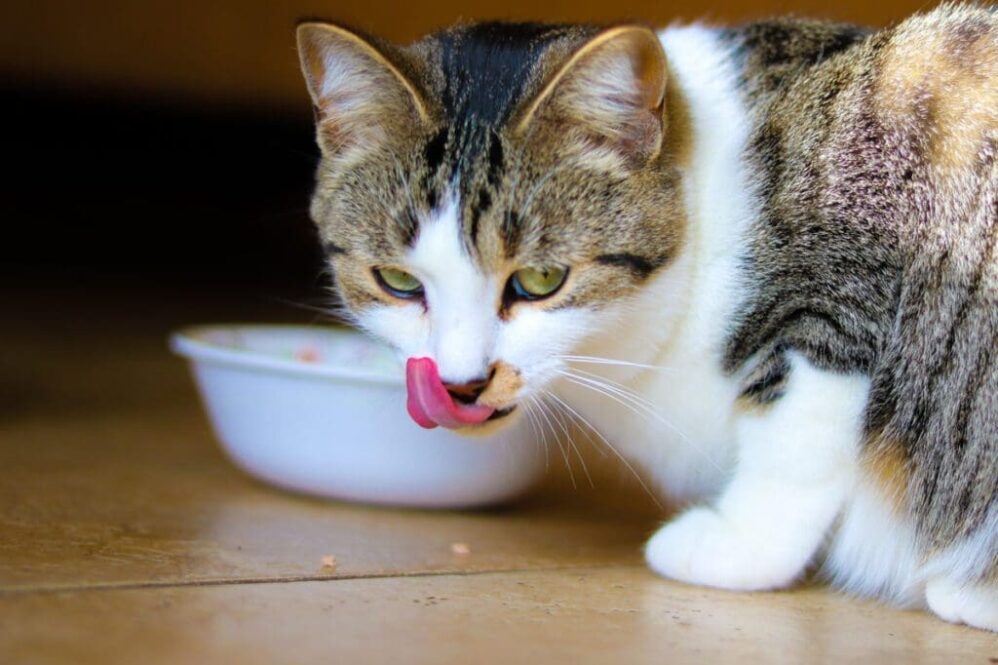
The real reason cats knock things off tables (and how to stop them)
Every cat owner has lived the exact moment when you hear a crash from the other room, followed by a cat peering over the edge with an expression that reads as pure innocence. It rarely is.
Behaviorists studying this exact habit have found several distinct motivations behind it, not one single explanation, and knowing which one applies changes what actually works to stop it.
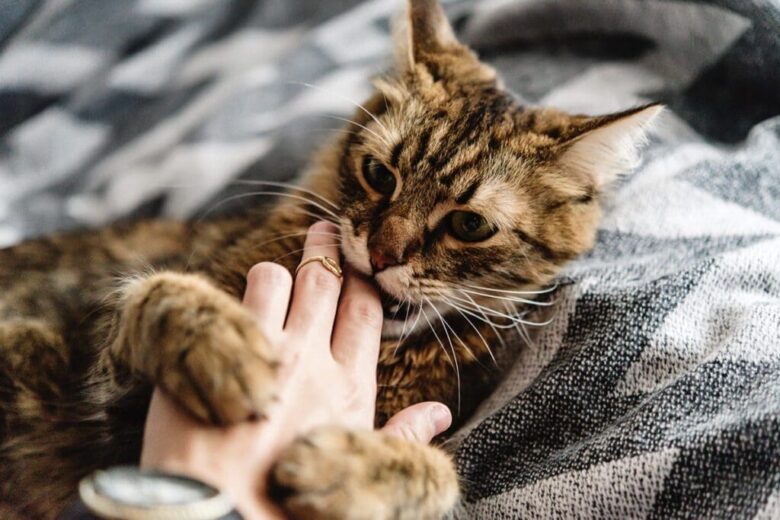
Prey-testing, pure hunting instinct
A cat’s paws are precision instruments. Built for exactly this kind of investigation. Swatting an object and watching how it moves is literally how cats test whether something might be alive, a hardwired behavior that predates domestication entirely. Fix: interactive, floor-based toys give that same instinct a legitimate outlet.
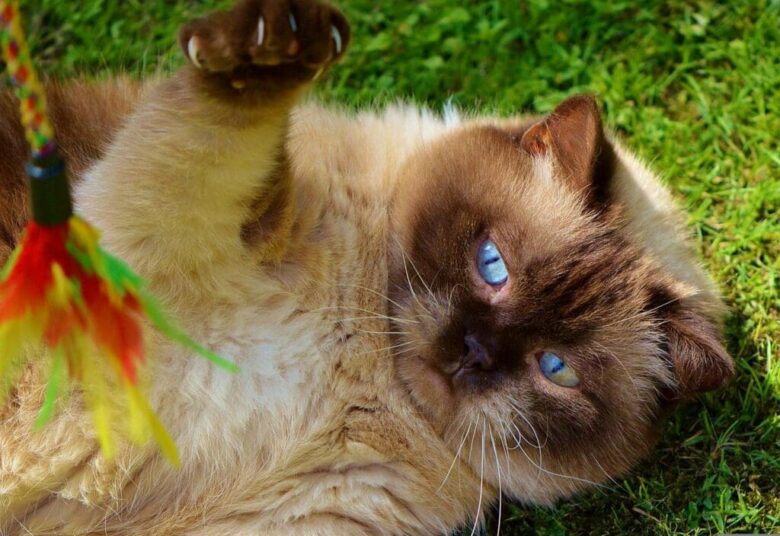
Attention-seeking
Has yelling or rushing over ever followed a knocked-over glass? The cat learned something valuable from that reaction. Any attention counts as a win, even the negative kind, and cats are remarkably good at noticing patterns like this one. Fix: ignore the behavior entirely and reward calm moments instead. Any reaction just reinforces exactly what needs to stop.
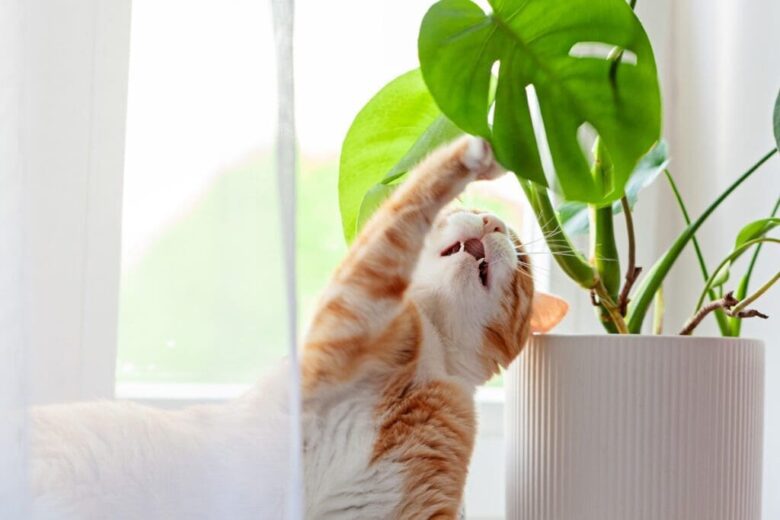
Curiosity and cause-and-effect
Does it roll? Does it make noise? Does it scurry off like it might be alive? Cats genuinely enjoy watching what happens next, and that fascination with testing the physical world is real, independent of any hunting drive or attention-seeking motive layered on top of it.
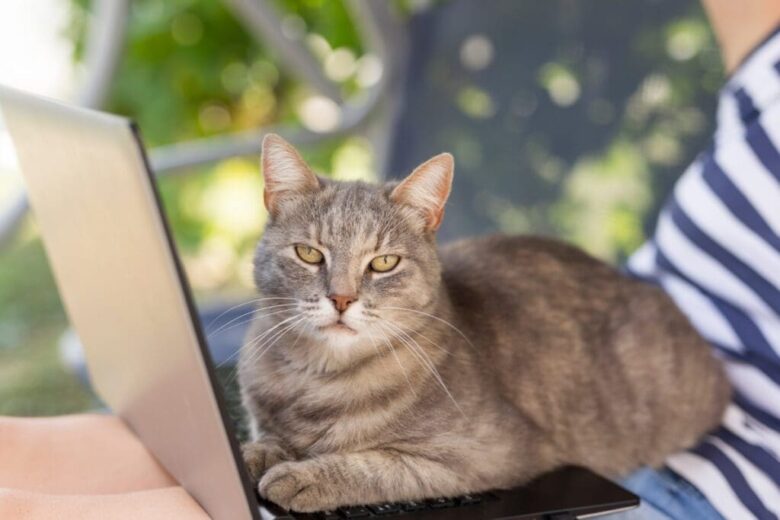
Boredom
A cat without enough daily stimulation will manufacture some. Knocking things over is a reliable, low-effort way to do exactly that. Vets consistently point to a lack of high-quality playtime as one of the most common root causes, especially in single-cat households where no one else provides that stimulation.
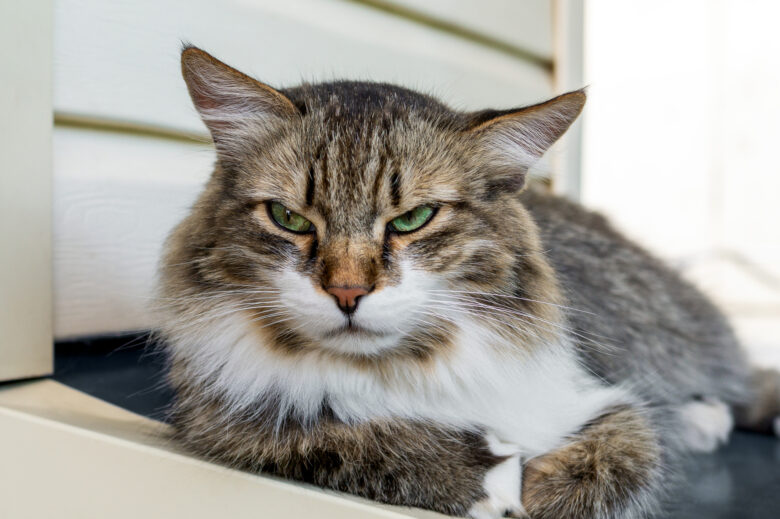
When it signals something more
Frantic. Obsessive. A sudden spike rather than casual, occasional swatting. That kind of escalation can point to underlying stress. Changes at home, a new pet, rearranged furniture, even a shifted schedule can all trigger this kind of behavior, and it’s worth a visit to the vet if enrichment alone doesn’t bring it back down.
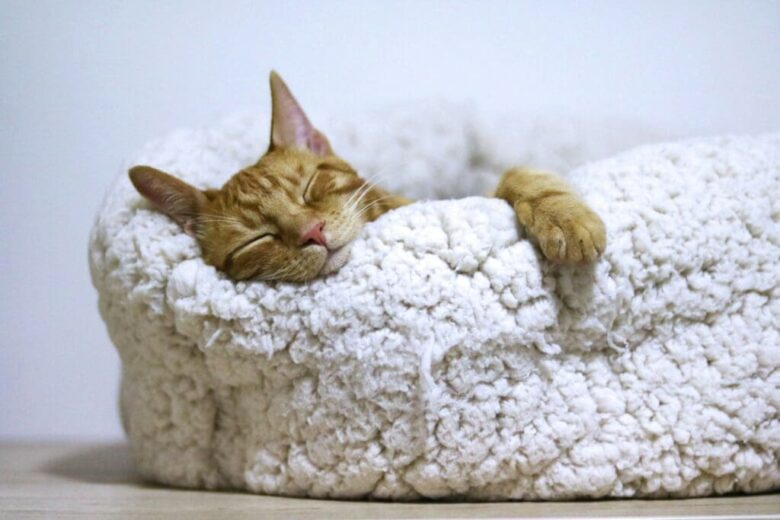
The actual fix
Move fragile and tempting items away from edges entirely. Add real enrichment: interactive toys, puzzle feeders, dedicated play sessions that actually mimic hunting. And critically, stop reacting to the behavior itself. A reaction, any reaction, is often exactly what the cat was after in the first place.
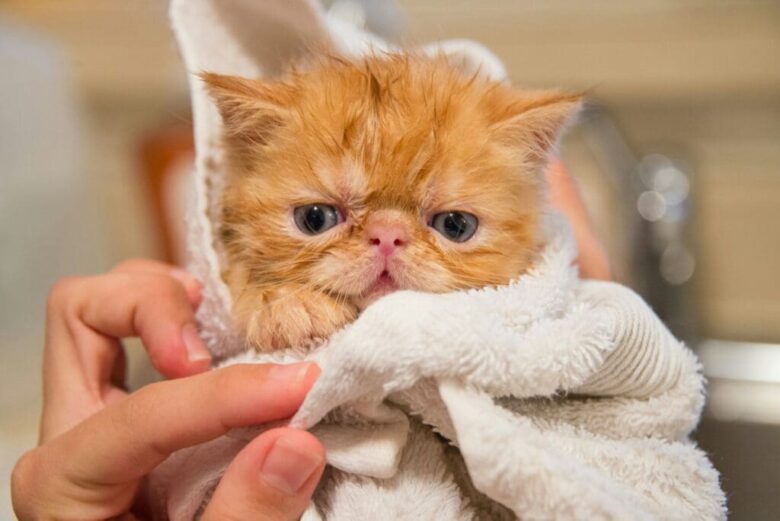
The bottom line
None of this is spite, whatever it looks like from across the room. It’s instinct, boredom, or a learned habit, sometimes all three layered together, and understanding which one applies is the actual difference between a fix that sticks and one that doesn’t.
Ask us! What questions do you have about content, strategy, pop culture, lifestyle, wellness, history or more? We may use your question in an upcoming article!
Related:
Like MediaFeed’s content? Be sure to follow us.
This article was syndicated by MediaFeed.co.