Only people who learned to drive in the ’80s will remember these cabin controls
Learning to drive in the 1980s meant learning an entirely different set of muscle memory than it does now. Half the controls required actual physical effort, and none of them came with a touchscreen tutorial.
Automotive writers cataloging this era keep landing on the same handful of controls, the kind that felt completely ordinary at the time and completely foreign to anyone who learned to drive after 2005.
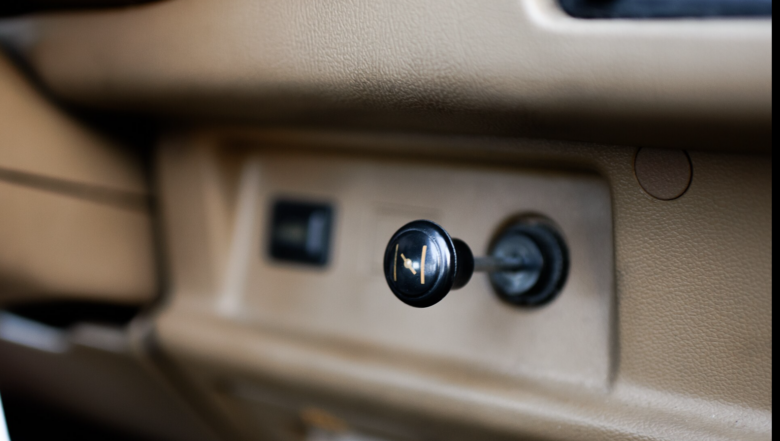
The manual choke knob
Cold-morning starts require a specific sequence: pull the choke, crank the engine, wait, then adjust. Get it wrong, and the carburetor would flood, or the cable would freeze solid in winter weather, leaving a driver stranded in a cold driveway fighting with the dashboard instead of the road.

Hand-crank windows
Every window, both front seats, sometimes the back too, operated by a hand crank that took real effort to turn. Rolling a window down at a drive-through meant several full rotations before the glass dropped far enough to actually place an order.
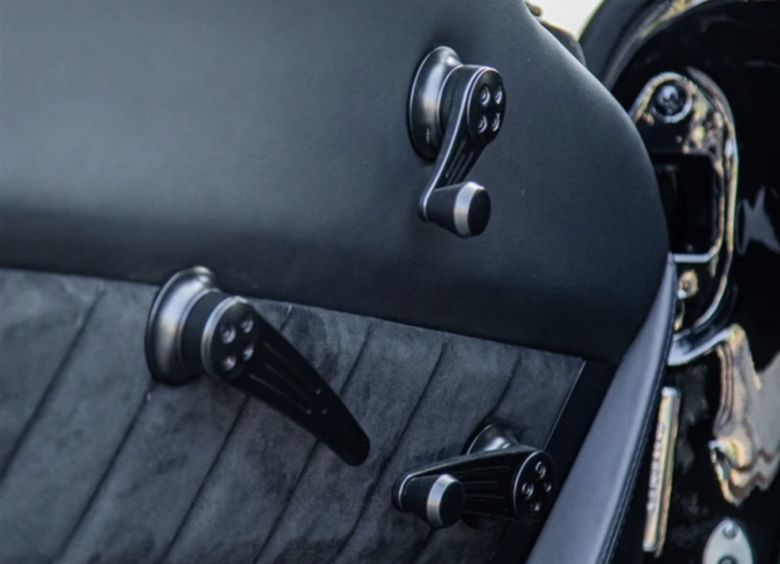
Vent window cranks
Small triangular panes near the front pillar, angled independently of the main window, existed purely to redirect a stream of fresh air straight at the driver’s face. Before air conditioning became standard, old-timers called this exact feature “poor-man’s air conditioning”, and smokers in particular loved it for a different reason entirely.
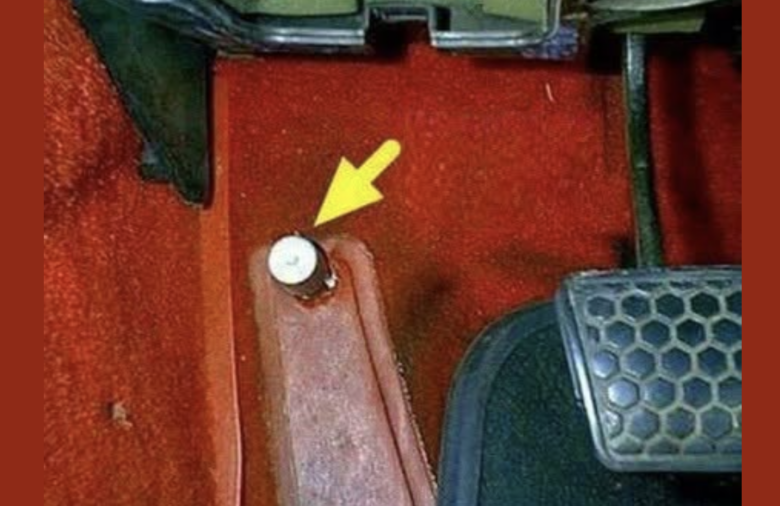
The floor-mounted headlight dimmer
High beams and low beams switched with a small button on the floor, positioned just left of the brake pedal, operated by a tap of the foot rather than a stalk on the steering column. The logic made sense at the time; hands stayed on the wheel while a foot handled the lights, right up until steering columns got more complex in the 1980s and the whole system disappeared.
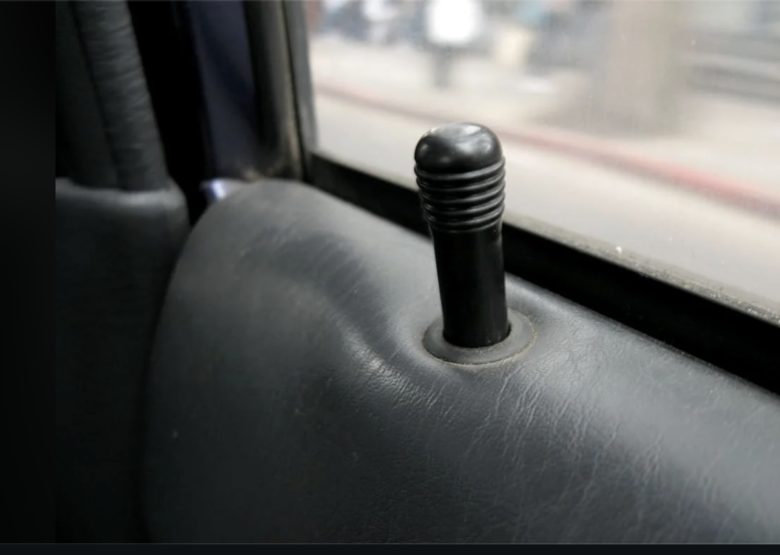
Manual door locks
A physical plunger, pushed down by hand, on every single door individually. No remote fob, no auto-lock when the car started moving. Getting everyone secured meant walking around the car or reaching across the cabin to hit each lock by hand.
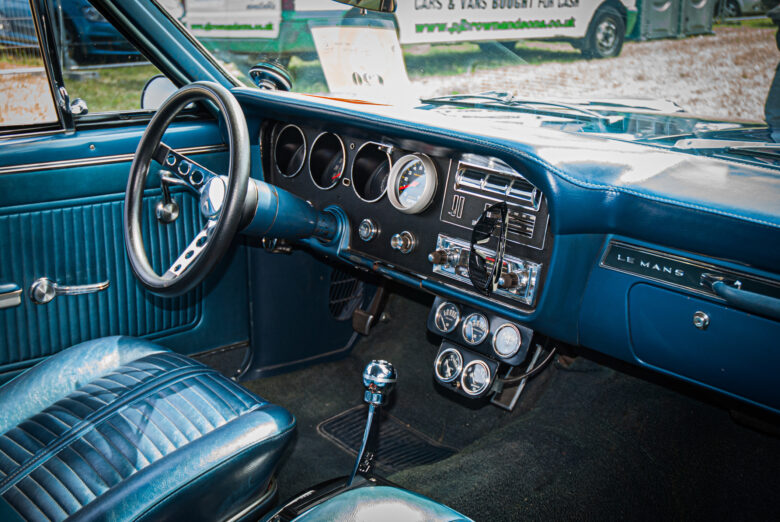
The cassette deck
Rewinding with a pencil when the tape mechanism jammed. Flipping the cassette over mid-drive to hear the other side. An entire generation built their own mixtapes this way, one song at a time, off the radio or a friend’s record collection.
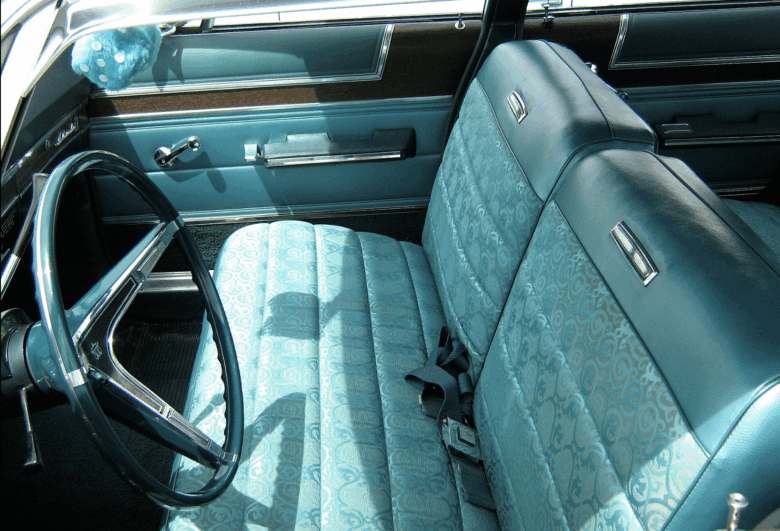
The bench seat, front and back
Three people could sit up front, comfortably enough, on a single continuous bench with no console or gearshift to break it up. Common in sedans and trucks alike, earning the nickname “sweetheart seats” for the way they let couples sit close together on a drive, a tradeoff between comfort and side support that nobody seemed to mind at the time.
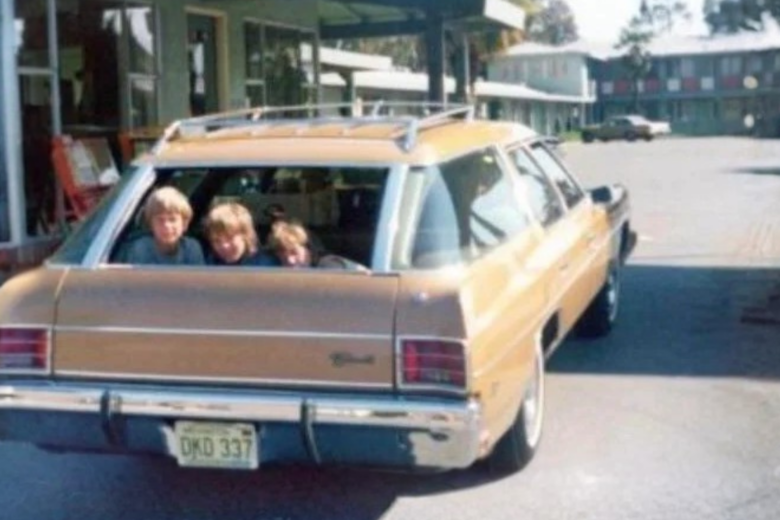
The bottom line
None of these controls were designed to feel nostalgic. They were just how cars worked, full stop, and it took a full generation of driving before anyone realized how much physical effort had been baked into getting from one place to another.
Ask us! What questions do you have about content, strategy, pop culture, lifestyle, wellness, history or more? We may use your question in an upcoming article!
Related:
- 15 Things Boomers Still Miss About the Way Life Used to Be
- 7 everyday baby boomer habits that are illegal today
Like MediaFeed’s content? Be sure to follow us.
This article was syndicated by MediaFeed.co.