
The year 1969 stands as a pivotal moment in American history, a swirling mix of counterculture rebellion, social revolution, and political upheaval that would reshape society for generations to come. From the muddy fields of Woodstock to the historic moon landing, from the tragic events at Altamont to the ongoing Vietnam War protests, this was a year when the old order was crumbling and something entirely new was taking its place.
At the heart of this transformation were remarkable women who refused to accept the limitations society had placed on them; women who wanted to inscribe their names in history. These trailblazers didn’t just participate in the changes happening around them; they actively shaped and defined them. Whether through their art, their activism, their politics, or their sheer force of personality, they broke through barriers that had stood for generations and created new possibilities for what women could achieve.
This article celebrates and explores the extraordinary impact of thirteen prominent female figures who defined 1969. The female icons of this transformative year represent a diverse spectrum of influence and achievement. They commanded stages and movie screens, fought for civil rights and women’s liberation, redefined fashion and beauty standards, and challenged political establishments. Their stories are about courage, innovation, and the power of women to transform the world around them.
Defining an icon in 1969
What transformed a woman into an icon in 1969? It wasn’t simply fame or talent, though both were certainly important. An icon in this transformative year possessed a unique combination of influence, visibility, and cultural impact that extended far beyond their primary field of achievement. These women didn’t just succeed within existing systems; they challenged, changed, and sometimes completely overthrew the rules that governed their industries and society at large.
The diversity of their influence speaks to the breadth of change happening in 1969. From the recording studios of Motown to the stages of Broadway, from the halls of Congress to the tennis courts of Wimbledon, women were making their mark in ways that previous generations could hardly have imagined. They used their platforms not just for personal advancement, but to advocate for broader social change, civil rights, and new definitions of what it meant to be a woman in America.

Janis Joplin
Janis Joplin became the raw, uncompromising voice of the counterculture movement, her powerful vocals and uninhibited stage presence representing everything the youth rebellion stood for. Her legendary performance at Woodstock in August 1969 cemented her status as one of rock music’s most compelling figures, delivering emotionally charged renditions that channel the hopes, frustrations, and desires of an entire generation.
Joplin’s impact extended far beyond her musical abilities. She shattered conventions about how female performers should look, act, and present themselves on stage. With her wild hair, unconventional style, and fierce independence, she proved that women in rock could be just as rebellious, passionate, and authentically themselves as their male counterparts, paving the way for countless female artists who followed.

Diana Ross
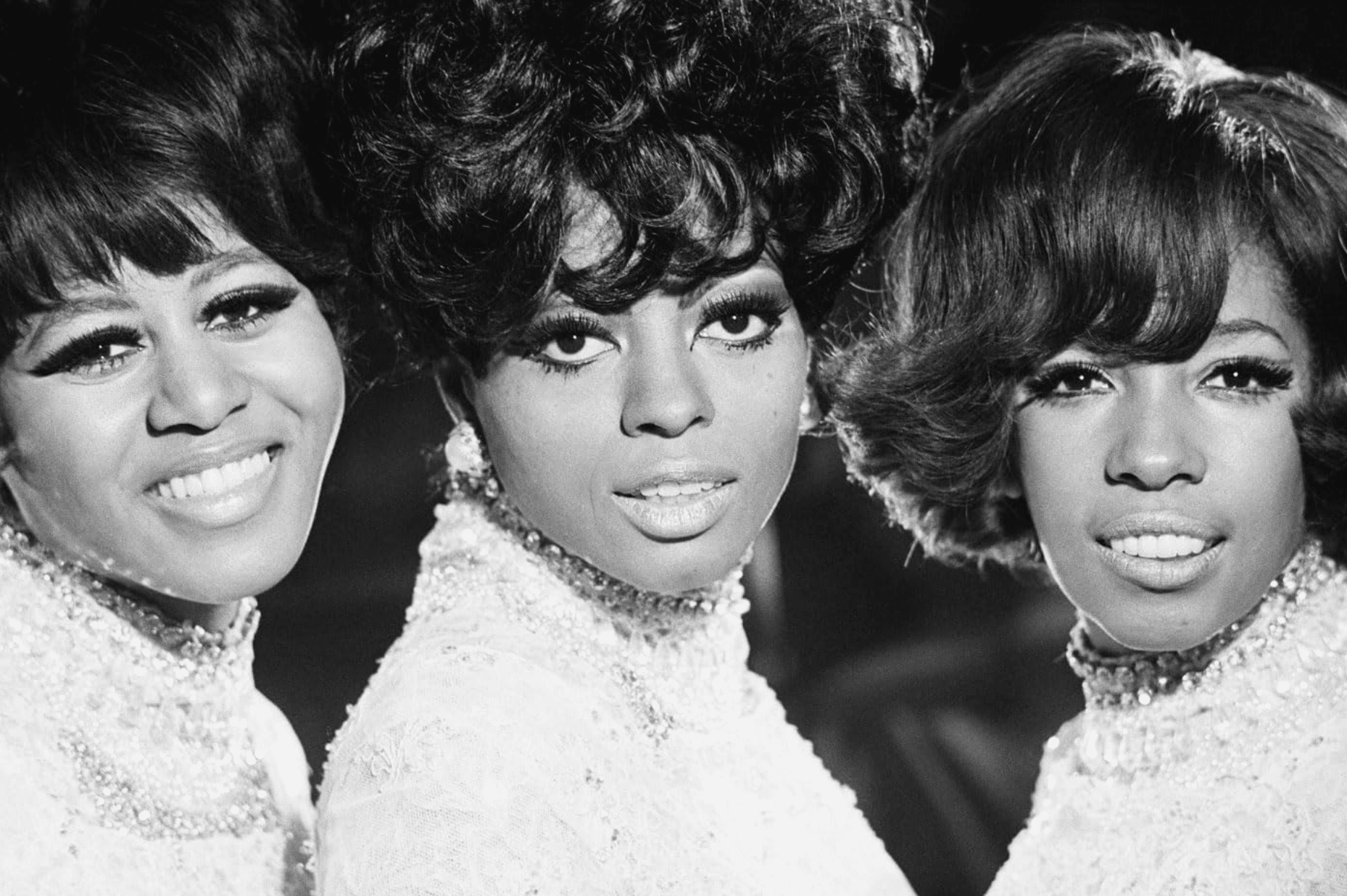
Diana Ross and The Supremes continued their reign as Motown’s most significant act in 1969, while Diana began her transition toward solo stardom that would define the next phase of her career. Their sophisticated glamour and crossover appeal helped break down racial barriers in popular music, making them welcome on mainstream television and in venues that had previously been closed to Black performers.
Ross embodied a new kind of Black female stardom that combined undeniable talent with elegant style and business savvy. Her influence extended beyond music into fashion and entertainment, showing that African American women could achieve mainstream success without compromising their identity or artistic integrity.

Aretha Franklin
Aretha Franklin solidified her position as the undisputed “Queen of Soul” in 1969, using her incredible vocal range and emotional depth to create music that served as both entertainment and social commentary. Her performances of songs like “Respect” became anthems for both the civil rights movement and the emerging women’s liberation movement, proving that music could be a powerful force for social change.
Franklin’s success demonstrated that authentic artistic expression and commercial appeal didn’t have to be mutually exclusive. Her ability to convey deep emotion while maintaining technical excellence set new standards for vocal performance and helped establish soul music as a dominant force in American popular culture.
Joni Mitchell
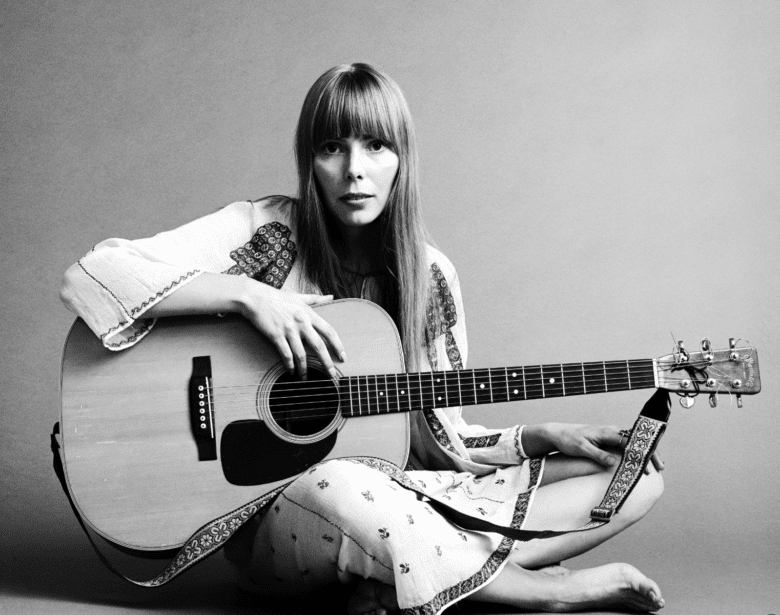
Joni Mitchell emerged as a folk music visionary in 1969 with the release of “Clouds,” an album that showcased her distinctive songwriting style and poetic sensibility. Her introspective lyrics and innovative musical arrangements helped define what folk music could become in the modern era, influencing countless singer-songwriters who followed.
Mitchell’s impact went beyond her musical innovations. She represented a new type of female artist: independent, intellectual, and uncompromisingly artistic. Her willingness to explore complex emotions and social issues through her music helped establish the singer-songwriter genre as a legitimate artistic form.

Barbra Streisand
Barbra Streisand dominated both music and film in 1969, starring in the movie adaptation of “Hello, Dolly!” while continuing her successful recording career. Her ability to excel across multiple entertainment mediums made her a symbol of multifaceted talent and artistic ambition, proving that performers didn’t have to limit themselves to a single area of expertise.
Streisand’s success challenged traditional notions of what constituted leading lady material in Hollywood. Her distinctive look and powerful personality showed that talent and charisma could overcome conventional beauty standards, opening doors for other unconventional performers.

Jane Fonda
Jane Fonda was evolving from Hollywood ingenue to serious actress and political activist in 1969, using her platform to speak out against the Vietnam War and other social issues. Her transformation from glamorous movie star to committed activist reflected the broader political awakening happening among young Americans.
Fonda’s willingness to risk her career for her beliefs demonstrated a new kind of celebrity engagement with social issues. She showed that fame could be used as a tool for advocacy and social change, inspiring other entertainers to take public stands on important issues.

Mia Farrow
Mia Farrow embodied a new kind of Hollywood star with her distinctive pixie cut and roles in significant films like “Rosemary’s Baby.” Her unconventional beauty and willingness to take on challenging, psychologically complex roles helped redefine what leading actresses could be and do.
Farrow’s influence extended beyond her film work to fashion and culture. Her distinctive style and association with influential figures in arts and entertainment made her a trendsetter whose look and approach influenced fashion and beauty standards of the era.
Twiggy
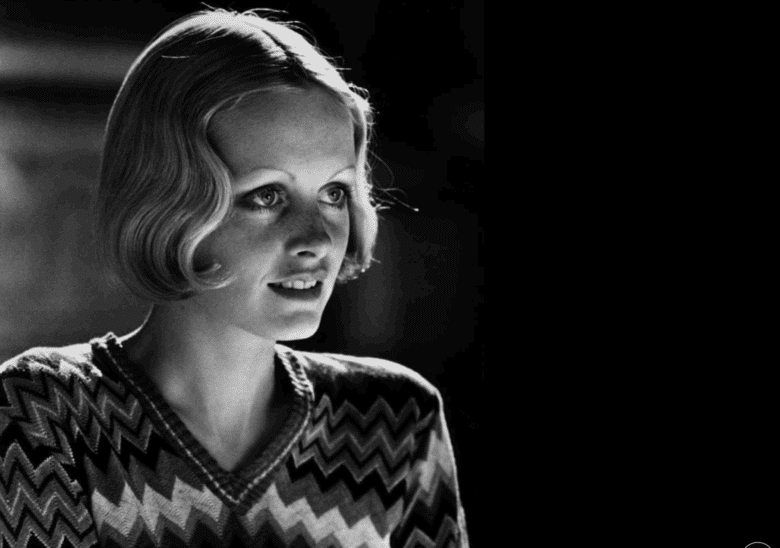
Twiggy remained the quintessential supermodel of 1969, her influence on fashion and beauty standards continuing to shape how women saw themselves and how society defined feminine beauty. Her androgynous look and playful personality challenged traditional notions of glamour and helped establish the modern concept of the supermodel.
Twiggy’s impact went beyond modeling to encompass a broader cultural shift toward youth-oriented fashion and beauty. Her success showed that unconventional beauty could be commercially successful and culturally influential, opening the door for more diverse representations of feminine attractiveness.

Gloria Steinem
Gloria Steinem was emerging as a powerful voice in the feminist movement in 1969, gaining prominence as both a journalist and activist. Her articulate advocacy for women’s rights and ability to communicate feminist ideas to mainstream audiences helped bring women’s liberation issues into the national conversation.
Steinem’s influence lay in her ability to make feminism accessible and relevant to ordinary women. Her writing and speaking helped frame women’s liberation not as a radical fringe movement, but as a logical extension of American ideals of equality and justice.
Coretta Scott King
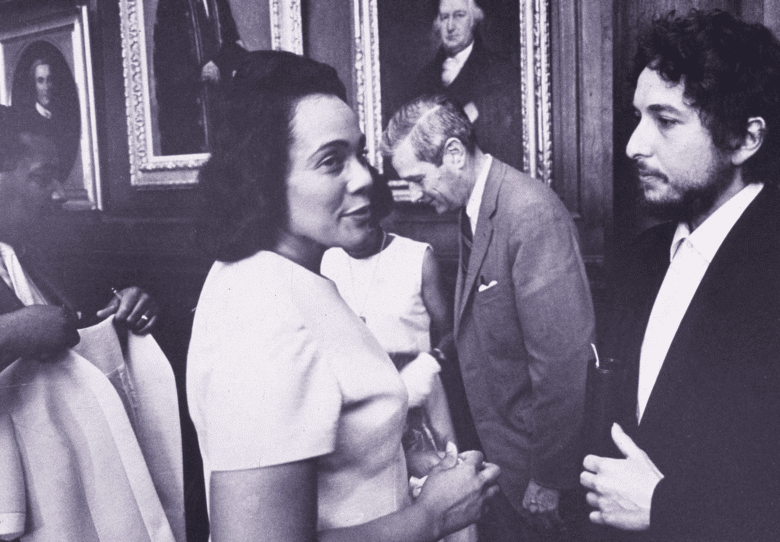
Coretta Scott King continued her husband’s civil rights legacy while establishing herself as a powerful advocate in her own right. Her work for civil rights and peace demonstrated that women could be effective leaders in the struggle for social justice, not just supporters of male leaders.
King’s influence extended beyond continuing her husband’s work to encompass her own vision of social change. Her advocacy for nonviolence and economic justice helped broaden the civil rights movement’s focus and showed how personal tragedy could be transformed into continued activism.

Shirley Chisholm
Shirley Chisholm made history in 1968 as the first African American woman elected to Congress and spent 1969 establishing herself as a fearless advocate for civil rights, women’s rights, and social justice. Her presence in Congress challenged both racial and gender barriers in American politics.
Chisholm’s impact lay not just in breaking barriers but in her willingness to speak truth to power regardless of the political consequences. Her famous declaration that she was “unbought and unbossed” became a rallying cry for political independence and integrity.

Billie Jean King
Billie Jean King was not only dominating women’s tennis in 1969 but also advocating for gender equality in sports and society. Her fight for equal prize money and recognition for female athletes helped establish the foundation for modern women’s professional sports.
King’s influence extended far beyond tennis courts to encompass broader questions of gender equality and fair treatment. Her willingness to challenge discriminatory practices and fight for equal opportunities made her a pioneer in both sports and women’s rights.
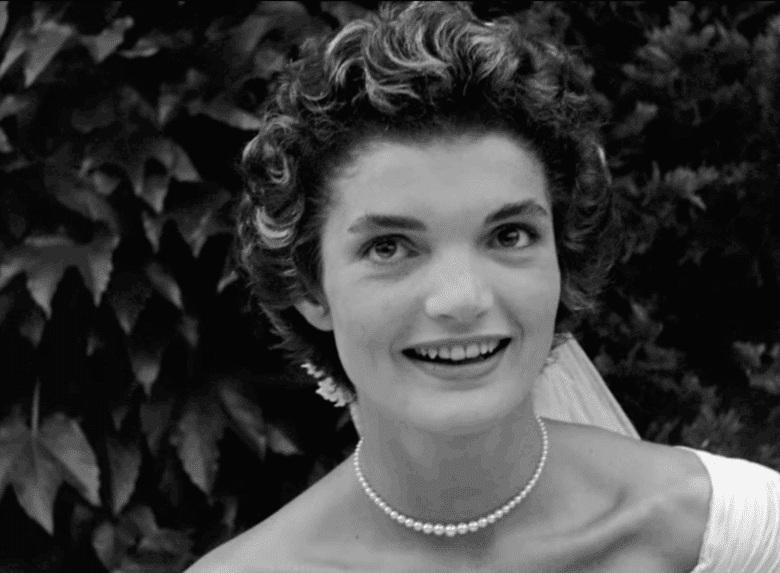
Jacqueline Kennedy Onassis
Jacqueline Kennedy Onassis maintained her status as a global style icon and symbol of grace following her marriage to Aristotle Onassis in 1968. Her ability to reinvent herself while maintaining her dignity and influence demonstrated remarkable resilience and adaptability.
Jackie’s continued relevance in 1969 showed how personal style and grace could transcend political circumstances. Her influence on fashion and culture remained strong, proving that some forms of celebrity and influence operate independently of traditional power structures.

Collective impact and legacy
These thirteen women collectively helped shape the social and cultural landscape of 1969 in ways that extended far beyond their achievements. They demonstrated that women could excel in any field they chose to enter, from the highest levels of politics to the most competitive areas of entertainment and sports. Their success challenged existing assumptions about women’s capabilities and opened doors for future generations.
The common threads running through their stories include empowerment, the courage to break stereotypes, and a willingness to advocate for change even when it involves personal risk. They showed that influence could take many forms: artistic expression, political action, social advocacy, or simply the power of personal example. Their diverse approaches to success and influence provided multiple models for how women could make their mark on the world.
Their enduring influence can be seen in virtually every field where women now compete and excel. From politics to entertainment, from sports to activism, the paths these women carved in 1969 continue to provide inspiration and practical examples of what’s possible when talent meets determination and courage.
Conclusion
The female icons of 1969 represent more than just individual success stories; they embody a fundamental shift in how society viewed women’s potential and capabilities. Their diverse contributions to music, film, politics, activism, and culture helped create new possibilities for what women could achieve and how they could influence the world around them.
Their continued relevance today speaks to the enduring power of their example. In a time when women continue to fight for equality and recognition across various fields, the courage and achievements of these pioneers remain both inspiring and instructive. They remind us that progress requires individual acts of courage and that true icons are made not just by talent, but by the willingness to use that talent to create positive change.
Ready to explore more stories of remarkable women who shaped our cultural landscape? Check out our other profiles and retrospectives here at MediaFeed for more inspiring tales of courage, talent, and determination that continue to influence our world today!
Related:
Like MediaFeed’s content? Be sure to follow us.
This article was syndicated by MediaFeed.org.


