10 Beatles conspiracy theories so wild they may be true
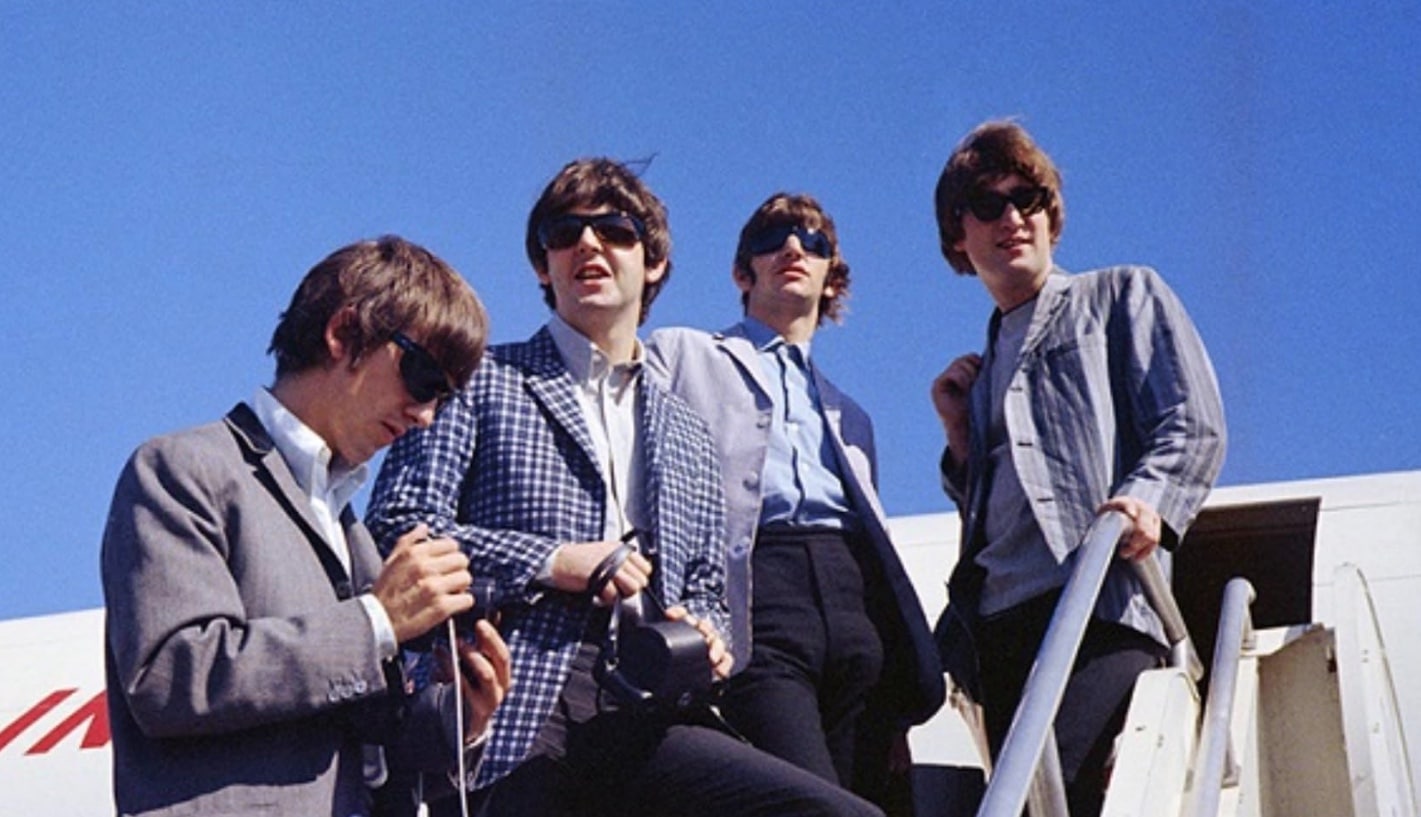
The Beatles were more than just a band; they were a cultural phenomenon that completely transformed music, fashion, and youth culture in ways we’re still feeling today. From the screaming crowds of Beatlemania to their groundbreaking studio experimentation, John, Paul, George, and Ringo became mythical figures whose every move was scrutinized, analyzed, and debated. But with great fame comes great speculation, and few bands have attracted as many wild conspiracy theories as the Fab Four.
There’s something about The Beatles that makes them perfect conspiracy theory material. Maybe it’s the sheer impossibility of their success (four working-class young men from Liverpool conquering the world almost overnight). It could be the mysterious symbolism fans read into their album covers, or the way their lyrics spoke directly to a generation hungry for meaning. Their rapid evolution from simple love songs to psychedelic masterpieces felt almost supernatural, leading some to wonder if there were hidden forces at work.
Musical conspiracy theories thrive on the mystique that surrounds legendary artists, and The Beatles had mystique in spades. When you combine their massive cultural impact with the turbulent times they lived through – the ’60s counterculture, political assassinations, social upheaval – it’s no wonder that fans and theorists alike began seeing hidden messages, secret plots, and orchestrated events. Here are 10 of the wildest Beatles conspiracy theories that have captivated fans for decades, along with the “evidence” that makes them strangely compelling.

Paul is Dead (PID)
The granddaddy of all Beatles conspiracies suggests that Paul McCartney died in a car crash in 1966 and was secretly replaced by a look-alike named William Campbell (or Billy Shears) to prevent mass hysteria and protect the band’s commercial success. Believers point to an elaborate trail of clues supposedly left by the surviving Beatles to reveal the truth.
The “evidence” is remarkably detailed: On the Abbey Road cover, Paul walks barefoot and out of step with the others in what resembles a funeral procession, with a Volkswagen Beetle in the background bearing the license plate “28IF” – Paul’s age if he had lived. The Sgt. Pepper’s cover shows a hand positioned over Paul’s head and floral arrangements that could represent a grave. Backwards messages allegedly reveal “Turn me on, dead man” in “Revolution 9” and John supposedly saying “I buried Paul” at the end of “Strawberry Fields Forever.” Even “A Day in the Life” seems to reference a car crash with its lyrics about someone who “blew his mind out in a car.”
Paul McCartney is very much alive and has repeatedly addressed these theories with humor. The “clues” are largely coincidental or the result of fans reading too much into random details. But the theory’s persistence shows how creative fans can be when connecting dots that don’t actually connect.

The Beatles were a government psy-op
This theory suggests thatThe Beatles were created or heavily influenced by British or American intelligence agencies as a tool to control youth culture, promote specific political messages, or distract young people from more serious revolutionary activities. Proponents argue that their overnight global success was simply too perfect to be natural.
The “evidence” includes their meteoric rise to fame, the way their message of peace and love coincided with anti-war movements, and their ability to influence millions of young people worldwide. Some theorists suggest their promotion of psychedelic drug culture was a deliberate attempt to pacify potential revolutionaries by turning them toward internal spiritual journeys rather than external political action.
However, the Beatles’ success can be attributed to their genuine talent, the timing of their emergence during the rise of television and global media, and their authentic connection with fans. The music industry was rapidly evolving in the 1960s, and its success, while extraordinary, followed recognizable patterns of how popular culture spreads.

John Lennon’s murder was a CIA hit
This dark theory proposes that Mark David Chapman was either a patsy or a mind-controlled assassin, and that government agents murdered John Lennon because of his anti-war activism and potential influence over American politics. The timing of his death, just as Ronald Reagan was coming to power, strikes some as suspiciously convenient.
Believers point to Lennon’s outspoken political views, his battles with the Nixon administration over deportation, and alleged inconsistencies in witness testimonies about the shooting. Some theories focus on Chapman’s strange behavior and his obsession with “The Catcher in the Rye,” suggesting he was programmed like a character from a spy novel.
Official investigations concluded that Chapman acted alone, driven by mental illness and an unhealthy obsession with Lennon. His detailed confessions and consistent behavior patterns support the conclusion that he was a disturbed fan, not a government operative. The tragic reality is often simpler than the conspiracy.
The Beatles never existed (they were actors)
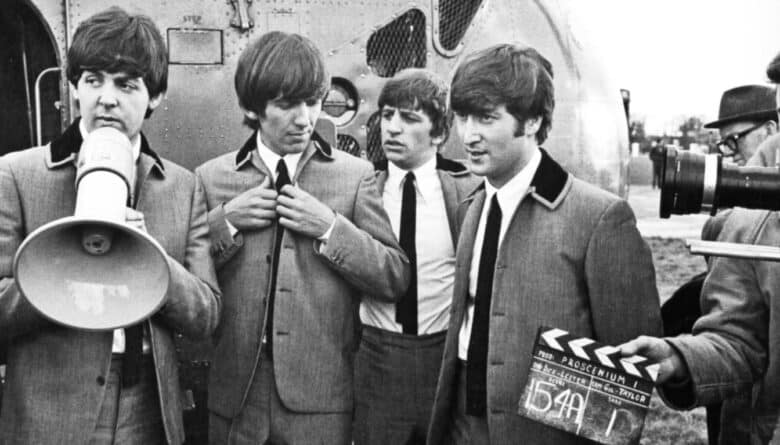
Perhaps the most audacious theory suggests that The Beatles were never real musicians at all, but rather a manufactured boy band consisting of actors hired to play specific roles, with their music created by teams of ghostwriters and session musicians. This theory claims the entire Beatles phenomenon was an elaborate hoax.
Proponents argue that no four individuals could possess such diverse and immense talent, pointing to their seemingly perfect public image and their rapid evolution from simple pop songs to complex studio masterpieces. They suggest the “characters” were too ideally suited to capture different aspects of youth culture to be genuine.
This theory crumbles under the weight of extensive historical documentation, countless interviews, live performance footage, and consistent personal accounts from family members, collaborators, and industry professionals who worked with them throughout their careers. Their genuine chemistry and individual personalities shine through in every interaction.

George Harrison’s plagiarism was a deliberate setup
When George Harrison’s “My Sweet Lord” was found to unconsciously plagiarize The Chiffons’ “He’s So Fine,” some theorists suggested this wasn’t an accident but a deliberate setup to discredit Harrison or create legal troubles for The Beatles’ financial empire.
The striking melodic similarity between the songs, despite Harrison’s claims of unconscious influence, led to a landmark legal case about unconscious plagiarism. Some conspiracy theorists suggest the similarity was too close to be accidental and that Harrison was either deliberately stealing or being set up by music industry enemies.
Harrison genuinely maintained that the plagiarism was unconscious, a phenomenon that’s recognized in copyright law. The melody’s simplicity and the familiar chord progressions used in both songs make accidental duplication quite plausible. The legal system ultimately accepted Harrison’s explanation while still holding him liable.

The “Butcher Cover” was a coded message
The original cover for “Yesterday and Today” featuredThe Beatles in white butcher coats surrounded by raw meat and dismembered dolls, with the imagery so shocking that it was immediately recalled. Conspiracy theorists suggest this wasn’t just artistic experimentation but a deliberate message about the Vietnam War, the music industry, or even connected to the “Paul is Dead” theory.
The disturbing imagery, combined with The Beatles’ known anti-war sentiments and the immediate recall of the album, suggests to some that there was a deeper, more provocative intent behind the photograph. The controversy it generated seemed almost calculated to make a statement about violence, commercialism, or hidden truths.
John Lennon later claimed it was a protest against Capitol Records for “butchering” their albums by re-sequencing tracks for American releases. Paul McCartney dismissed it as just a “silly idea” that got out of hand. Sometimes, shocking art is just shocking art, without a deeper conspiracy behind it.

The Beatles sold their souls for fame
This theory suggests that The Beatles made a Faustian bargain with dark forces. Whether helped by the Illuminati, occult powers, or literal supernatural entities, they achieved their unprecedented level of success. It’s a standard conspiracy theory applied to many highly successful artists.
Proponents point to their meteoric rise, the almost “magical” quality of their music’s impact on listeners, and alleged symbolism in their album artwork that could be connected to secret societies or occult practices. Their influence transcends that of a typical celebrity, reaching almost religious levels of devotion from fans.
This theory applies a supernatural explanation to what can be understood through natural means: exceptional talent, hard work, perfect timing, and the cultural moment they emerged into. Success stories often seem impossible in retrospect, but they usually result from a combination of skill, luck, and favorable circumstances rather than supernatural intervention.

Yoko Ono was planted to break up the band
While many fans genuinely blame Yoko Ono for The Beatles’ breakup, some conspiracy theorists take it further, suggesting she was deliberately placed in John Lennon’s path by outside forces seeking to destroy the band’s influence over youth culture.
The “evidence” includes her constant presence in the studio (breaking an unspoken rule about wives and girlfriends), her perceived influence over John’s decision-making, and the way her arrival seemed to coincide with increasing tensions within the group. Her outsider status and avant-garde background made her an easy target for blame.
However, the Beatles were already experiencing significant internal tensions, creative differences, and business disputes long before Yoko became prominent in John’s life. The band members themselves have acknowledged that the breakup resulted from multiple factors, with Yoko being more of a symptom than the primary cause of their dissolution.

The White Album contained messages for Charles Manson
Charles Manson’s interpretation of songs from The White Album, particularly “Helter Skelter,” “Piggies,” and “Revolution 9” as coded instructions for murder and race war, represents one of the darkest intersections between conspiracy theories and real-world violence. Manson claimed The Beatles were speaking directly to him through these songs.
Manson’s actual use of Beatles lyrics to justify his crimes provides chilling “evidence” of hidden messages, at least in his disturbed mind. The experimental and sometimes unsettling nature of tracks like “Revolution 9” certainly provided fertile ground for someone seeking hidden meanings in random sounds and backward masking.
The reality is that Manson was severely mentally ill and projected his violent delusions onto innocent song lyrics. The Beatles had no intention of communicating with anyone about violence or racial war. This case demonstrates how conspiracy theories can be twisted into justifications for real harm when filtered through unstable minds.
The Beatles were time travelers
The most fantastical theory suggests that The Beatles’ revolutionary music and cultural impact were so far ahead of their era that they must have been influenced by, or actually were, time travelers from the future who came back to accelerate human cultural evolution.
Believers point to their rapid musical evolution from simple love songs to complex studio innovations, their pioneering use of recording techniques that wouldn’t become standard for years, and their seemingly innate understanding of trends that wouldn’t emerge until decades later. Their impact on fashion, philosophy, and social movements felt prophetic.
This theory is pure speculation that credits supernatural intervention rather than recognizing genuine artistic genius. The Beatles were indeed ahead of their time, but this reflects their exceptional creativity, willingness to experiment, and ability to synthesize influences from around the world rather than knowledge from the future.

Conclusion
These conspiracy theories, whether believed or debunked, remain a fascinating aspect of The Beatles’ enduring legacy. They demonstrate our natural human inclination to seek more profound meaning and hidden patterns, even where none may exist. The theories persist not just because of the “evidence” but because they add another layer of mystique to a band that already seemed almost too good to be true.
The Beatles’ story was so remarkable that it invited speculation about hidden forces, secret messages, and extraordinary explanations. In a way, these theories are a testament to how profoundly the band impacted popular culture.
Whether you believe any of these theories or dismiss them all as creative fantasy, they’ve become part of The Beatles’ mythology, proving that even decades after their breakup, the Fab Four continue to surprise, intrigue, and inspire passionate debate. Ready to dive deeper into music history and pop culture mysteries? Explore more of our classic rock retrospectives and entertainment conspiracies here at MediaFeed for more stories that blur the line between fact and legend!
Related:
Like MediaFeed’s content? Be sure to follow us.
This article was syndicated by MediaFeed.org.