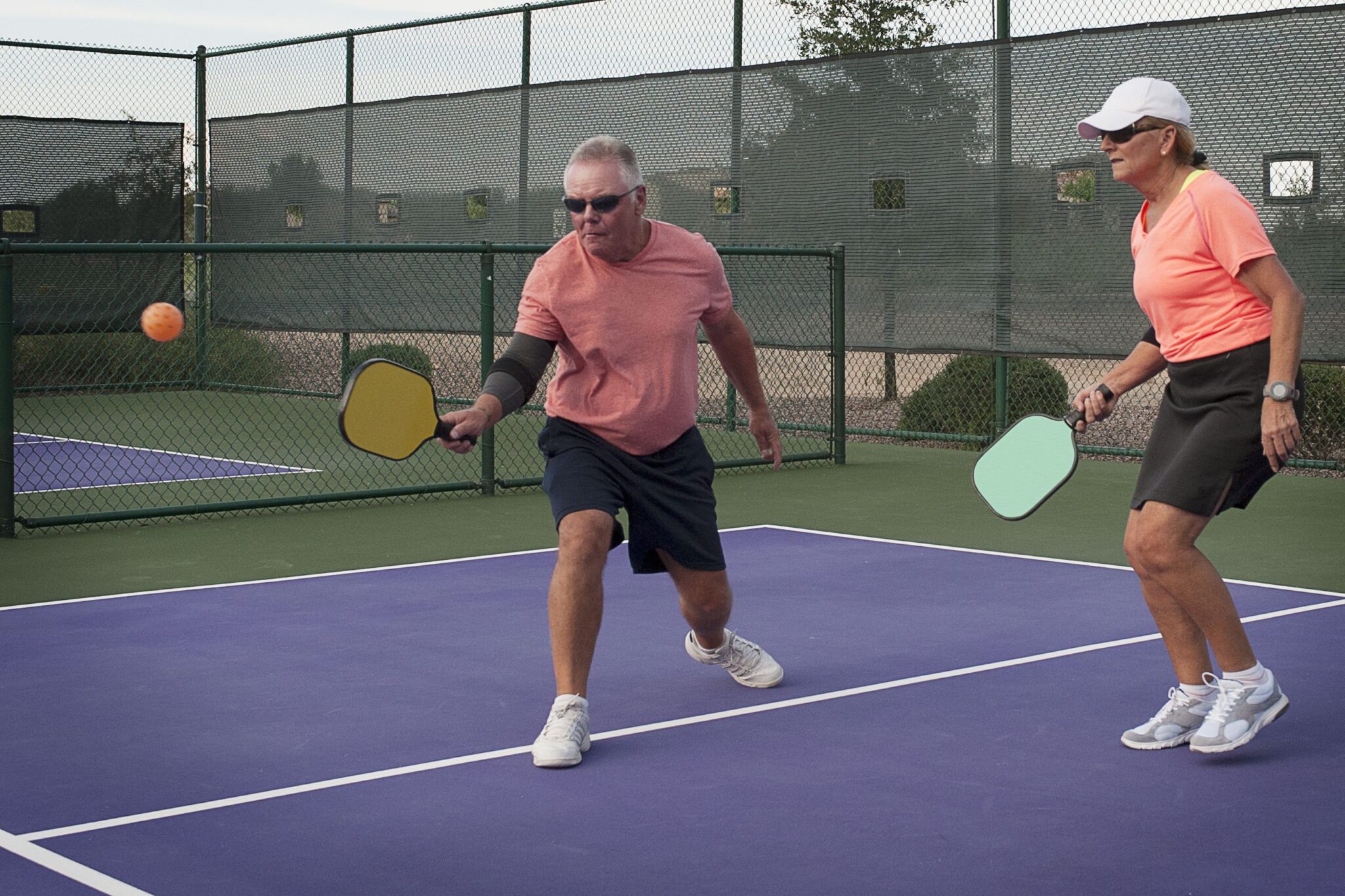
For most of the 20th century, tennis was the racket sport, country clubs built courts, and suburban backyards had courts. The sport had Wimbledon, the US Open, and a cultural footprint synonymous with a certain kind of aspirational leisure that was specifically American in its combination of physical activity and conspicuous real estate. Then two smaller, noisier, considerably less expensive sports showed up and started converting those same courts into something else, and the people doing the converting were largely the same people who built them.
Whatever happened to tennis
The story being told about tennis is mostly misleading. ESPN reported 27.3 million people played in the United States in 2025, a new all-time high and the sixth consecutive year of growth. The sport is not dying but is losing its monopoly on the racket-sports space, which may sound minor until you understand that the monopoly was doing structural work. It meant every recreational player defaulted to tennis because there was nothing else to build toward. When Djokovic said recently that tennis is endangered at the club level because padel and pickleball are more economical to operate, he was describing a specific financial logic. The courts that facilities build going forward are increasingly not tennis courts, and participation numbers don’t tell you what the next generation will grow up playing.
What pickleball actually is and why it exploded
The court is roughly a quarter the size of a tennis court, with a plastic ball, solid paddles, and those physical facts produce something that matters to recreational players: you can be competent at pickleball within a few sessions, whereas tennis takes months before a rally lasts long enough to be enjoyable. That gap in the learning curve explains why ESPN reports a 223.5% increase in participation since 2020. The pandemic removed every barrier simultaneously. The sport grew fastest among adults over 50, which is not a coincidence. That demographic had the time, the joints that were done with tennis’s lateral demands, and the money to build backyard courts. That is how recreational trends become infrastructure.
Pickleball’s growth is now slowing
Axios reported that court construction in the 100 most populous US cities grew just 4% from 2025 to 2026, down from 13% the year before. Nearly 900% growth from 2017 to now, and then the vertical phase ended. That’s not exactly a collapse; it’s what happens when a recreational trend has converted all available space and becomes simply a sport people play.
Padel is the one to watch next
Padel requires an enclosed, glass-walled court, always doubles, a solid, stringless racket, and a slower ball that bounces off the walls in a way that keeps rallies alive long enough for beginners to enjoy the game almost immediately. That quality is not accidental — the game was designed for sociability from the start, unlike pickleball, which arrived at sociability as a byproduct. It originated in Mexico in the 1970s and spent decades dominating Spain and Latin America before arriving here. Axios documents DC-area homeowners converting 1980s tennis courts into padel courts and dedicated clubs opening in major metros. Padel doesn’t arrive through a viral moment. It arrives through the gradual realization that everyone you know in Madrid has been playing it for twenty years and it turns out they were right to.
The bottom line
Tennis is fine. Pickleball is maturing. Padel is where the growth is now. The courts American suburbs built in the 1980s are being converted by the same people who used to play tennis on them, which is either natural evolution or a small betrayal depending on how attached you are to a baseline rally.
Ask us! What questions do you have about content, strategy, pop culture, lifestyle, wellness, history or more? We may use your question in an upcoming article!
Related:
- Padel vs. pickleball: Which sport is better for your joints after 40?
- Jersey World Cup games: Where the teams are staying (& where you can too)
Like MediaFeed’s content? Be sure to follow us.
This article was syndicated by MediaFeed.co.