Historical predictions that turned out to be very wrong
Confidence isn’t the same thing as being right. Proof of that is the record of expert predictions that missed spectacularly over and over again. Physicists. Bank presidents. Tech executives. People whose entire job was supposedly knowing better.
The same handful of catastrophic calls keep showing up as the textbook cases of overconfidence gone wrong.

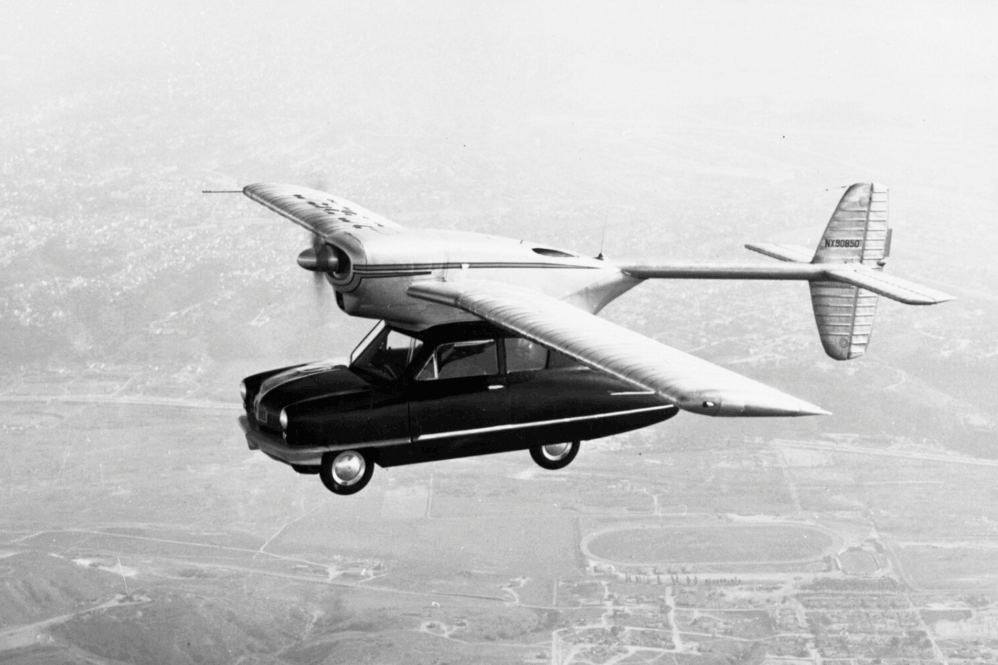
Flying machines are impossible
Formulated the second law of thermodynamics. Helped lay transatlantic telegraph cables. One of the most respected physicists of the 19th century, full stop. And in 1895, Lord Kelvin declared heavier-than-air flight impossible. Eight years. That’s how long it took the Wright brothers to prove him wrong at Kitty Hawk.

The horse is here to stay
A Michigan bank president in 1903 advised Henry Ford’s own lawyer against investing in Ford Motor Company. The automobile, he said, was a novelty, a fad. Nothing more. The lawyer, Horace Rackham, ignored him and put in $5,000 anyway. That stake eventually grew to $12.5 million. Cars on Earth by 2010: over a billion.

No reason for a computer at home
Digital Equipment Corporation’s own founder said this in 1977 to a room of futurists, no less. No reason for any individual to have a computer in his home, according to Ken Olsen. He later claimed the quote got taken out of context. The personal computer market exploded within a decade regardless of what he actually meant.

Nuclear-powered vacuum cleaner
A vacuum cleaner company executive told the New York Times in 1955 that nuclear-powered vacuums would probably be a reality within ten years. He meant it. Seventy years later, still nothing. Nobody has ever plugged a fission reactor into a household appliance, and nobody’s about to start now.
Rockets can’t work in space
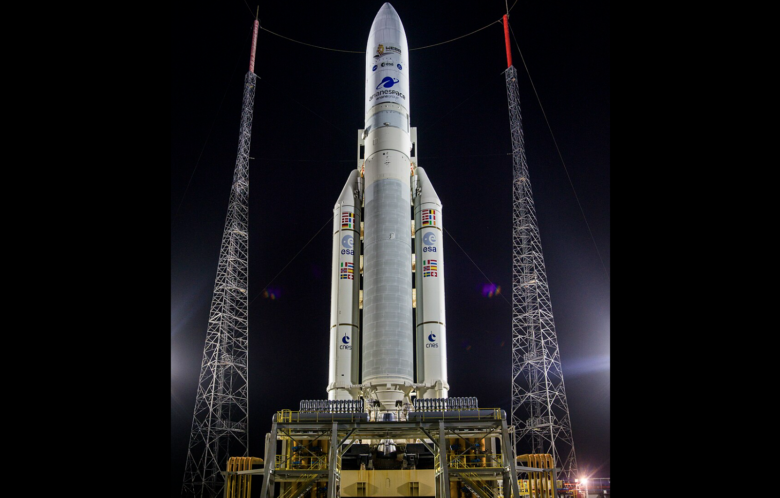
Nothing to push against, the New York Times editorial board argued in 1920, mocking rocket pioneer Robert Goddard for even suggesting rockets could work in a vacuum. It was a basic misunderstanding of Newtonian physics, the kind any working physicist should have caught. Rockets left Earth’s atmosphere routinely within three decades. The moon came not long after that.

Edison’s light bulb
That’s the actual verdict Henry Morton delivered in 1880, reviewing Edison’s light bulb as president of the Stevens Institute of Technology. A conspicuous failure, his words exactly. It now powers roughly every building on the planet. His own institute included, presumably.
Sustained flight is a physical impossibility
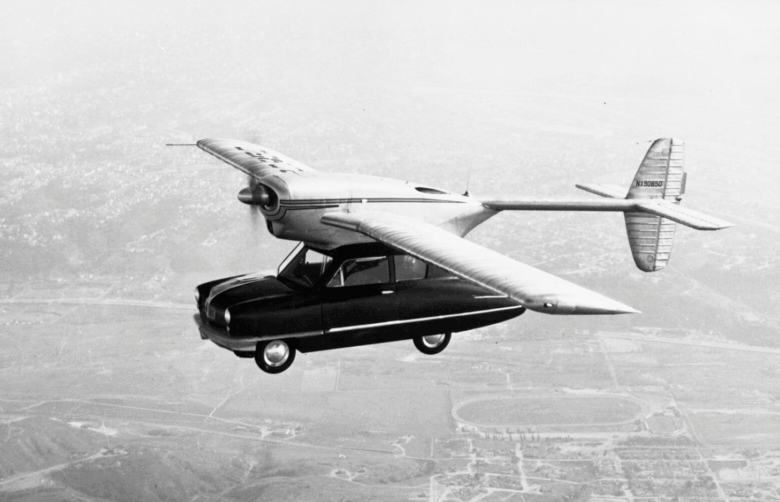
Bad timing doesn’t get much worse than this. Astronomer Simon Newcomb published a detailed mathematical proof in 1903 arguing sustained human flight was physically impossible. The Wright brothers flew at Kitty Hawk months later. Fifty million years of assumed impossibility, undone in under sixty days.

Cinema is just a passing fad
Canned drama, Charlie Chaplin called it in 1916, insisting real audiences wanted flesh and blood on a stage instead. The man saying this would go on to become one of cinema’s defining figures. Worth sitting with that for a second.

The bottom line
None of these predictions came from fools. They came from people whose expertise made their confidence feel earned. The lesson isn’t to stop making predictions. It’s to treat the most certain-sounding ones, especially from people with real authority, with a healthy dose of suspicion.
Ask us! What questions do you have about content, strategy, pop culture, lifestyle, wellness, history or more? We may use your question in an upcoming article!
Related:
- Historical “discoveries” that turned out to be elaborate hoaxes
- Some of the most surprising record deals in music history
Like MediaFeed’s content? Be sure to follow us.
This article was syndicated by MediaFeed.co.