Our favorite karaoke songs from the 80s: What did we miss?
Nobody in 1983 was thinking about karaoke, since the concept’s materiality barely existed. They were just making the song as big as it felt like it needed to be, adding the key change because the key change was there and it worked, putting out an eight-minute extended version because apparently someone thought that was a reasonable thing to do and nobody said no. And here’s the strange part: all of that excess, all that complete absence of restraint or self-awareness, is exactly why these songs still fill a room forty years later. Irony performs badly at karaoke. The 80s weren’t interested in irony and it shows.
Billboard and Sing King have both designed the canonical 80s karaoke set. Here’s what actually belongs on it.
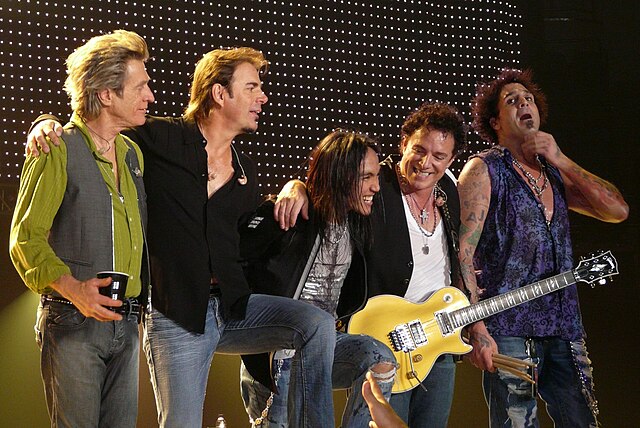
“Don’t Stop Believin'” — Journey (1981)
Billboard calls this the greatest karaoke song ever made, and the explanation is that even when someone’s bad at it, everyone still loves it. What that’s actually describing is a song that doesn’t need the singer to work. The structure carries the room regardless of what the person holding the microphone does with it. That opening keyboard riff has already done the crowd work before anyone’s opened their mouth.

“Total Eclipse of the Heart” — Bonnie Tyler (1983)
The power ballad is taken to its logical and illogical conclusion simultaneously. Billboard lists it as an enduring karaoke staple. What makes it work in a room is the patience built into the structure: three full minutes of build before the song asks anything genuinely difficult of the singer, and then it asks absolutely everything. Most people don’t realize how steep the climb is until they’re already committed.

“Billie Jean” — Michael Jackson (1982)
Sing King frames this as the moment Jackson crossed into a different category of fame entirely. The bassline is doing more structural work than the vocal, which means a mediocre performance is still anchored by something genuinely great underneath. Most songs don’t offer that kind of safety net. This one does.
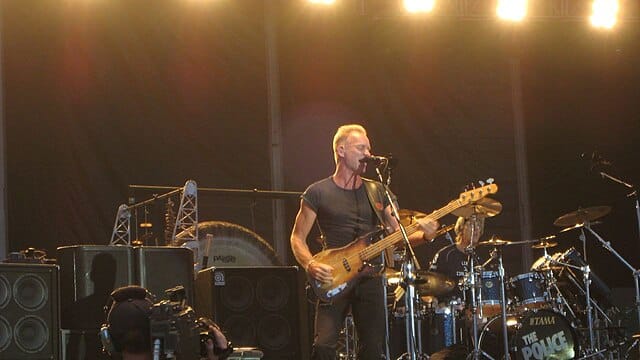
“Every Breath You Take” — The Police (1983)
Sing King flags the specific trap: this song gets dedicated to romantic partners constantly at karaoke, and it’s about surveillance, obsession and control. The realization tends to land around the second verse when the words are right there on the screen. Sting has said he didn’t immediately understand how sinister it was when he wrote it. That gap between what people think it means and what it actually says is one of pop music’s stranger running jokes.
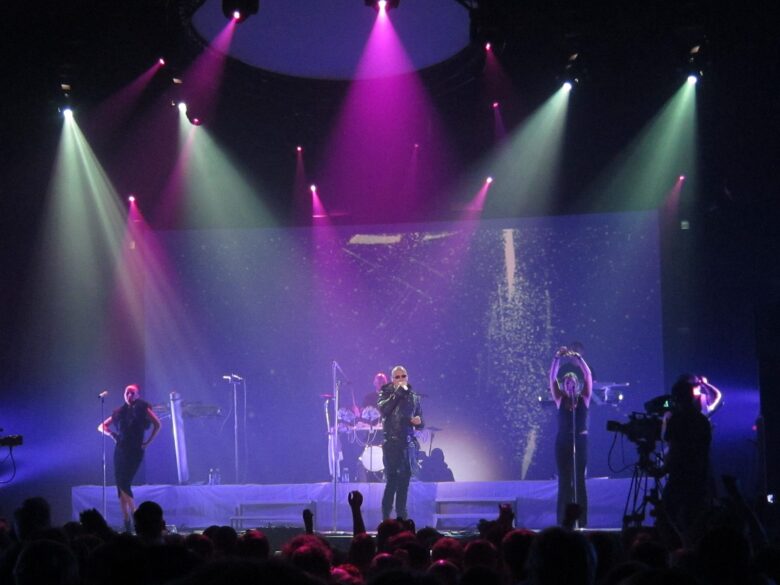
“Don’t You Want Me” — Human League (1981)
Three weeks at number one, 28 weeks on the chart total, according to Billboard. What it does that most karaoke songs can’t is give two people completely different arguments to make, actual competing accounts of the same relationship from opposite sides. One person thinks they made the other person’s career. The other disagrees, politely and then not so politely. Two people willing to commit to their side of it will do something to a room that a solo performance almost never manages.

“Girls Just Want to Have Fun” — Cyndi Lauper (1983)
Rolling Stone puts this among the decade’s genuinely defining cultural moments, which somehow undersells what it does at karaoke specifically. It doesn’t wait for permission. Most songs require the audience to consciously decide to participate; someone has to make that choice out loud and it’s a little awkward. This one just starts, and participation is already underway before anyone agrees to it. Nobody knows exactly when they joined in.
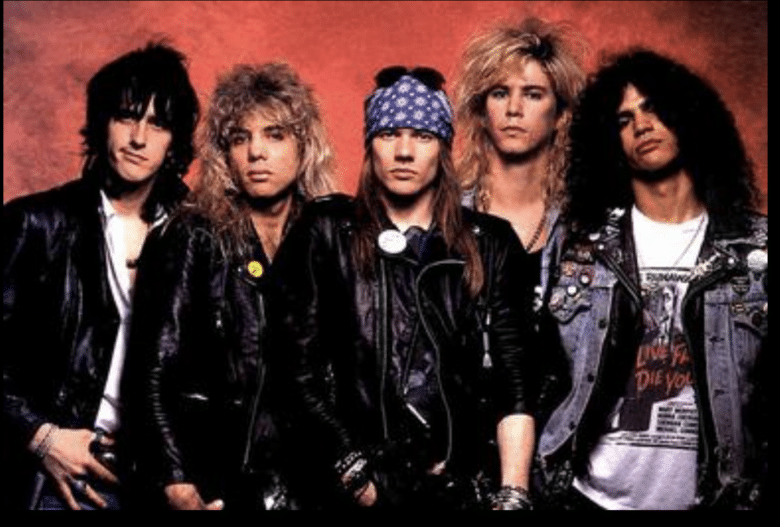
“Sweet Child O’ Mine” — Guns N’ Roses (1987)
That guitar intro puts the room in a different place before anyone touches the microphone, which is a structural advantage most songs simply don’t offer. Rolling Stone puts it among the decade’s essentials. The verses are manageable, no real surprises. Then Axl starts asking where to go next, and that final section is either the moment when the performance becomes genuinely memorable or a very honest, real-time assessment of someone’s upper range. Both outcomes generate the same crowd reaction.
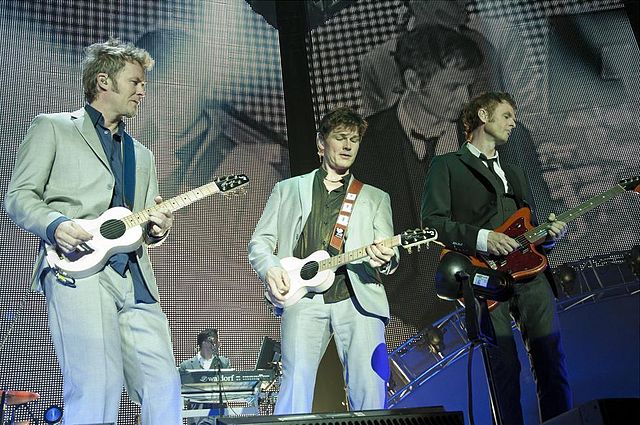
“Take On Me” — a-ha (1985)
The melody sits in a register that works cleanly for almost nobody, which is either the problem or the whole appeal. Rolling Stone rates it among the decade’s greats. There’s no way through it without hitting the high notes because the high notes are structurally unavoidable. Every performance ends up being either a genuine triumph or a very compelling attempt. Both outcomes get the same reaction in the room.
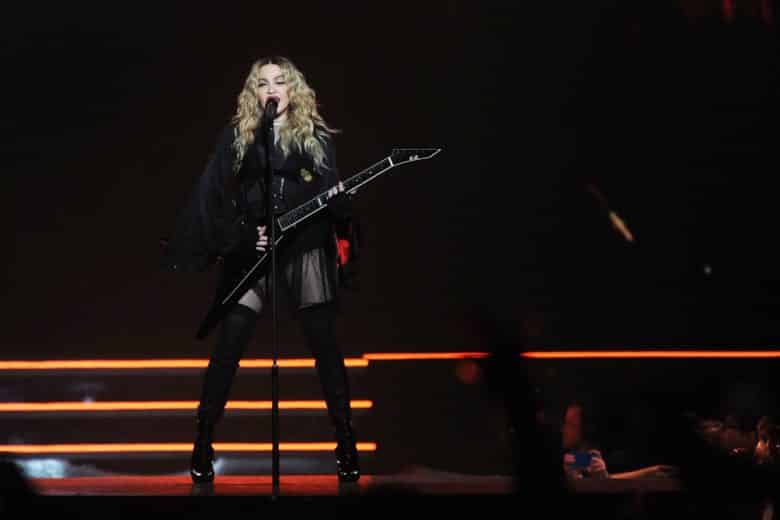
“Like a Prayer” — Madonna (1989)
Arguably, the biggest chorus Madonna ever wrote. Sing King includes it as an essential 80s entry. The gospel architecture builds space for participation that extends beyond whoever’s holding the microphone. The choir swell in the final chorus was designed for a crowd. Performing it alone would almost be a misuse of what the song was built to do.

The bottom line
The 80s karaoke canon doesn’t fit into one night. What connects everything on this list is the same quality that made the decade so strange and so durable: a commitment to the big moment that had no interest in being cool about it. The decade made music designed to be performed badly by enthusiastic strangers, and it turns out that’s exactly what lasts.
Ask us! What questions do you have about content, strategy, pop culture, lifestyle, wellness, history or more? We may use your question in an upcoming article!
Related:
- The most controversial songs of the ’50s: Do you agree?
- The most controversial songs of the ’60s: Do you agree?
Like MediaFeed’s content? Be sure to follow us.
This article was syndicated by MediaFeed.co.