
Only true ’90s kids can identify all of these living room items from 1997
A sofa with flowers on it. A blanket somebody’s grandmother made. A lamp with coloured wax moving in it. A television you needed two people to lift.
You sat down in that room. That was the whole point.
Below are eight fixtures of that living room, and where each one came from.
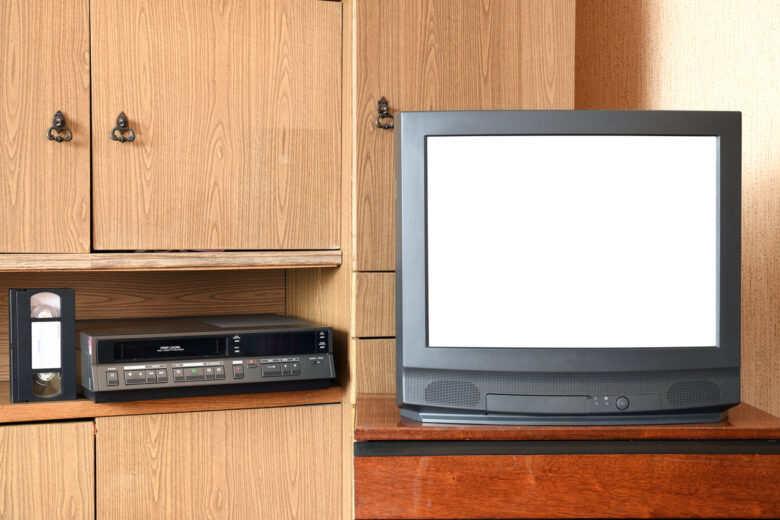
The entertainment center
The wall unit existed because the television demanded it. A tube set in 1997 was deep rather than wide; it weighed enough to need a dedicated shelf, and it carried a VCR underneath. IKEA’s own late-90s range included a unit rated to hold a 35-inch television weighing up to 90 kilos.
That is nearly 200 pounds of furniture-grade glass and plastic, sitting in the middle of the family room.

The DVD player nobody had yet
In March 1997, DVD players first went on sale in the United States. Toshiba’s first machine had appeared in Japan a few months earlier.
So 1997 is the hinge year. Almost every living room still ran on tape, and what would replace it was already in the shops.
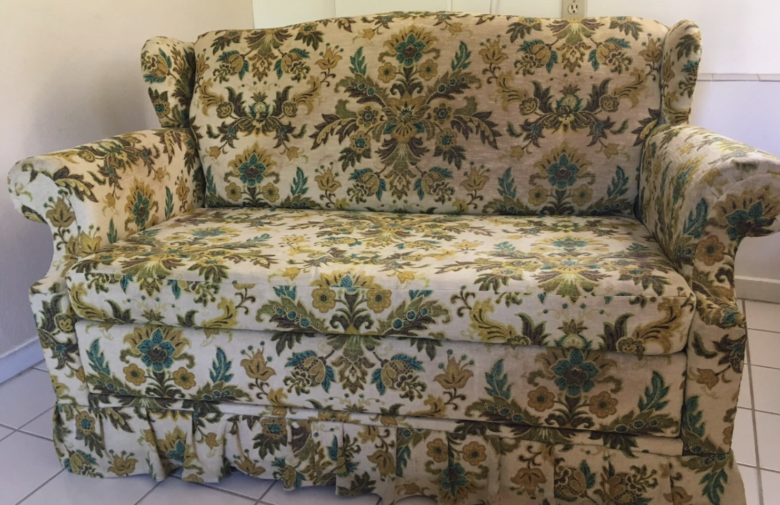
The patterned sofa
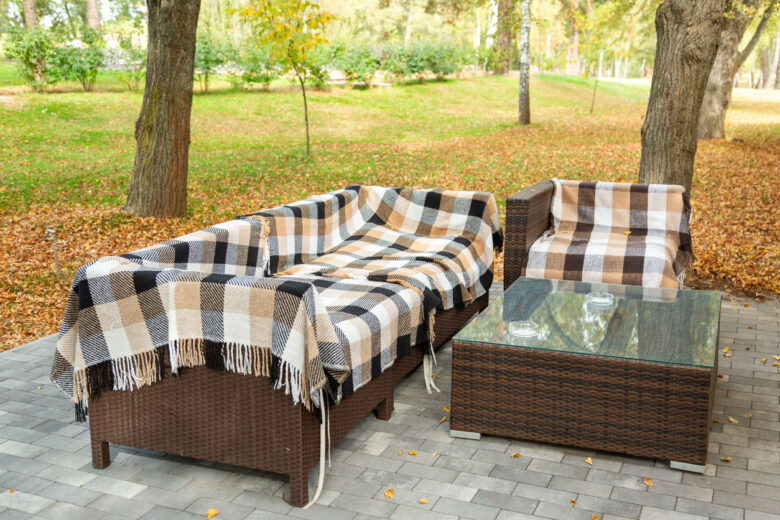
Florals, chintz, plaid, checks. The sofa was not supposed to disappear into the room; it was supposed to be the room. IKEA’s mid-90s catalogs leaned hard into checks and plaids, and the company’s own look-back asks the obvious question: who didn’t love one.
Removable covers with pleated skirts and ties were the cheap way to change your mind later.
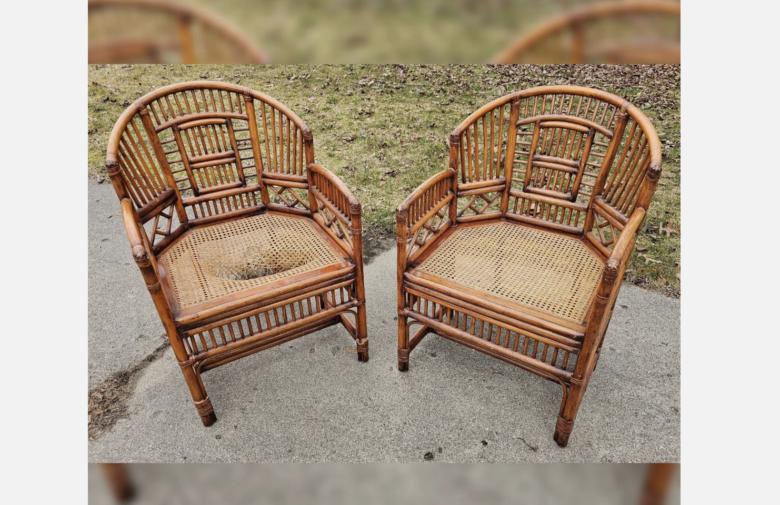
Rattan and wicker
IKEA’s late-90s range ran to pieces like the NYHUS armchair in light brown rattan, with a reversible cushion and a stain-repellent cotton cover, and the BOMSUND rattan armchair, sold with a cushion as an optional extra.
Rattan was the compromise between a conservatory and a living room, and for a few years everybody made it.
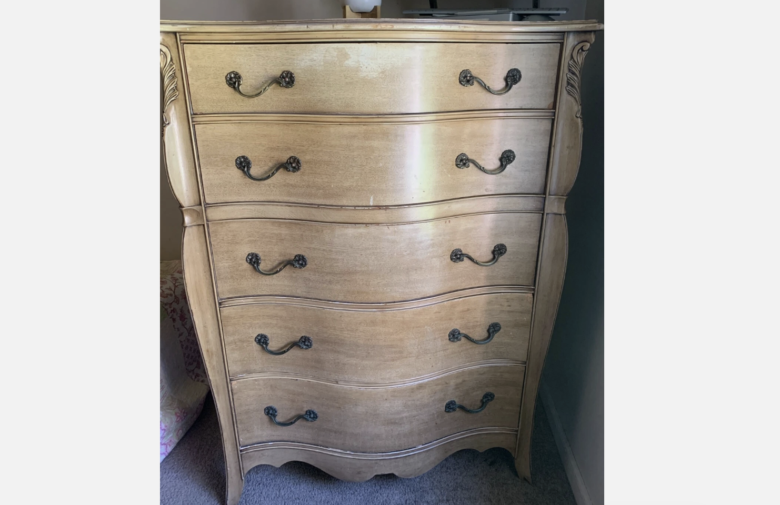
The lighter rural look
Here is the shift most people remember without being able to name it. IKEA’s own history of the decade puts it plainly: the chunky pine of the 1970s gave way to a lighter, rural style that felt modern and nostalgic at the same time. Distressed wood, in ranges like MORGONDAL. Dark oak and cherry for anyone who wanted the room to look settled rather than new.
The afghan on the back of the couch
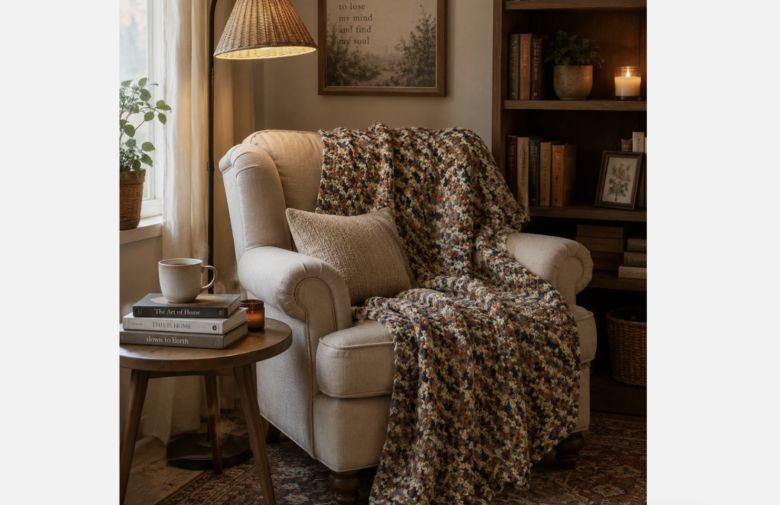
Hand-knitted or crocheted, usually by a relative, usually in colors that matched nothing else in the room. It lived folded over the arm of the sofa and came out when somebody fell asleep watching television.
IKEA’s own reading of the late 1990s is that as the world felt less safe, the feeling of home mattered more. The Afghan is that idea in wool.
The lamps
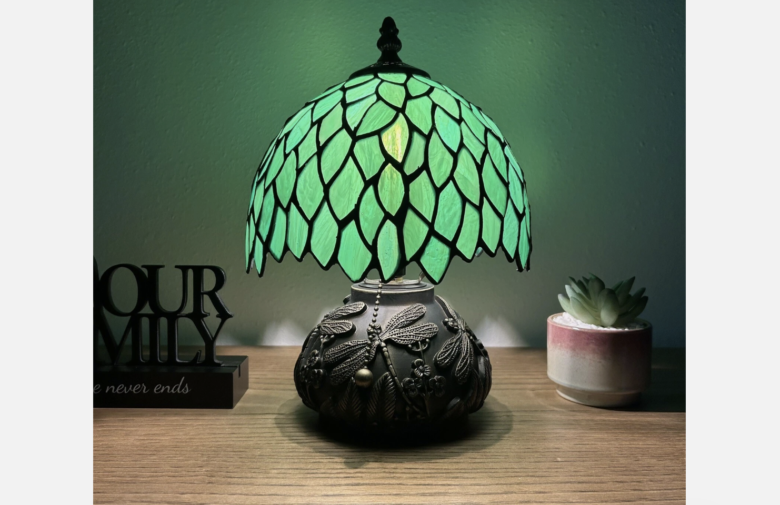
Two kinds, doing two jobs. Brass floor lamps with Tiffany-style shades gave the room warmth and a reading light in one object.
Then there was the other sort. The lava lamp, invented in 1963, went through a full revival in the 1990s, helped along by films like Austin Powers that put it back on screen. A teenager’s room and a living room could disagree sharply about which category it belonged in.
The BANG mug
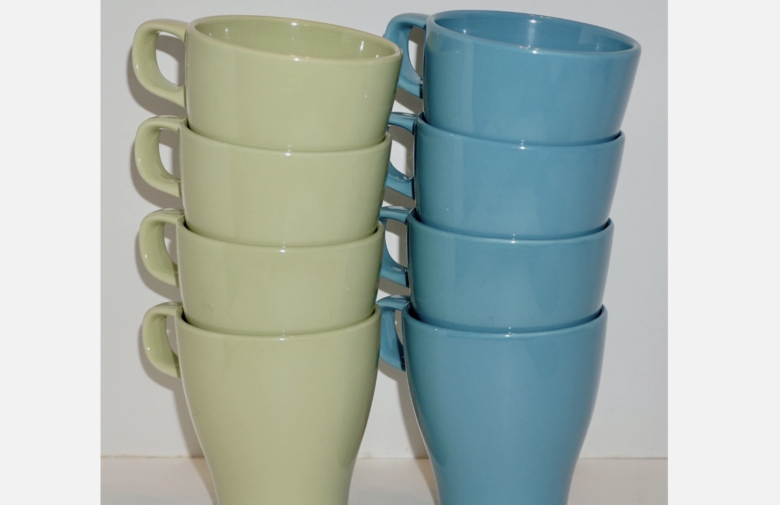
Not strictly living-room furniture, but it ended up on the coffee table in millions of homes. IKEA dates it to 1997, and its museum describes it as the first product where the company proved it could take something everyone already knew the price of and sell it for far less.
It had one flaw. It wouldn’t stack, so it wasted space in transport and on the shelf. The redesign was worse, and after four years it gave way to the TROFÉ.
The bottom line
DVD players reached American shops in March 1997, while almost every living room still ran on VHS. IKEA’s late-90s units were rated for a 35-inch television weighing up to 90 kilos.
Ask us! What questions do you have about content, strategy, pop culture, lifestyle, wellness, history or more? We may use your question in an upcoming article!
Related:
- Household rules from the ’40s that sound unbelievable now
- 8 places and discoveries where exploration has limits
Like MediaFeed’s content? Be sure to follow us.
This article was syndicated by MediaFeed.co.