Household items long past their expiration date that you’re still using
A kitchen towel gets softer with every wash. It fits its hook perfectly. Somehow, long after any reasonable measure would call it worn out, it becomes irreplaceable.
That kind of attachment rarely has much to do with the object itself. A pillow molded to one specific sleeping position, a sponge sitting in its exact spot by the sink, a toothbrush that’s simply always been there (routine does most of the work a fresh replacement can’t compete with). Food announces when it’s gone bad. Nothing turns green here, nothing smells wrong. These items just keep functioning at a fraction of their original effectiveness, and almost nobody checks.
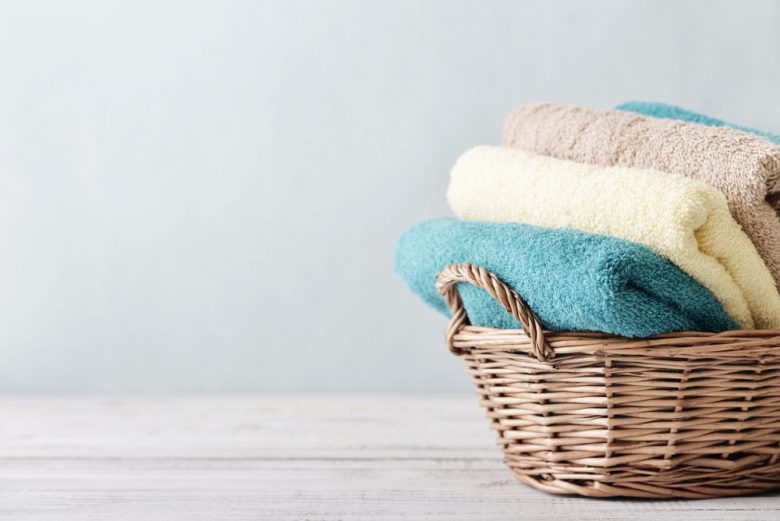
A towel earns loyalty long after it’s earned a replacement
Absorbency doesn’t disappear overnight. It fades slowly enough that most people never notice until the towel simply isn’t drying anything anymore. Testing has turned up coliform bacteria and even E. coli in towels that still look perfectly fine, well ahead of the two-to-five-year mark where replacement actually becomes necessary.
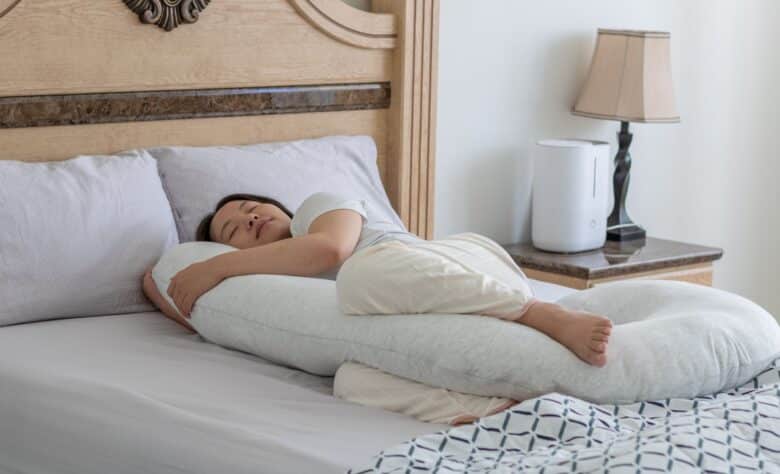
A pillow is partly not a pillow anymore
Oils. Skin cells. Sweat. Every night adds a little more, and researchers have put an actual number on where it ends up. Up to 10 percent of an older pillow’s total weight can be dust mites and their leftover debris, long after the one-to-two-year window most experts recommend.
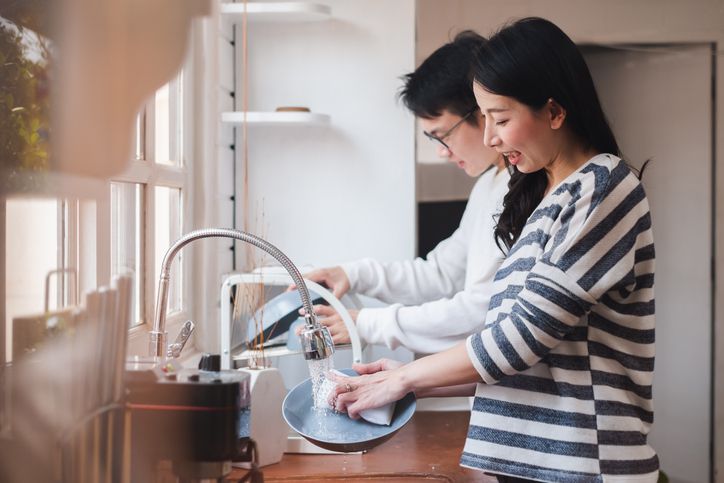
Two weeks only
That’s the real deadline on a kitchen sponge, not two months, before it becomes a genuine bacteria breeding ground. Microwaving buys a little time. It doesn’t buy much, and the relief is only temporary once the sponge is porous enough to hold onto everything it touches.
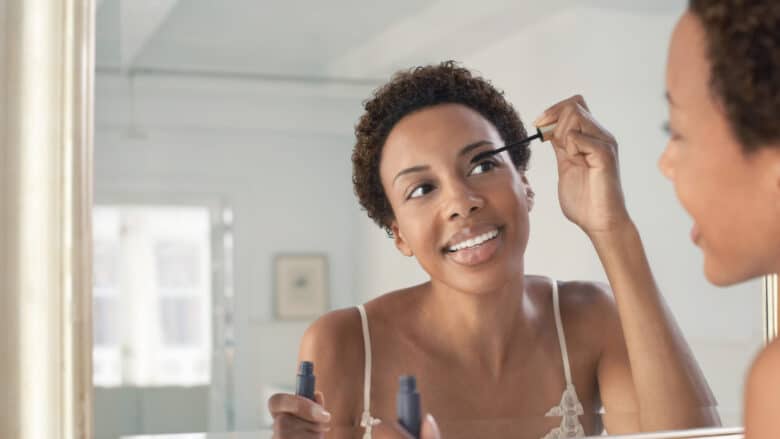
Mascara comes with a shelf life nobody bothers reading
The guidance is printed right on the tube. Three to six months, and past that point the risk isn’t dryness; it’s bacteria accumulating with every single application after the deadline has quietly passed.
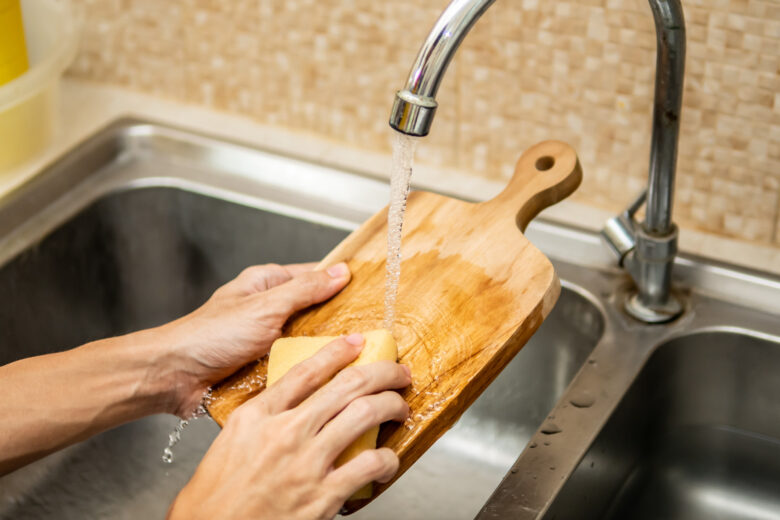
Cutting board grooves stop being cleanable at some point
Deep knife marks turn into permanent hiding spots that no amount of scrubbing can reach. Plastic scratches faster than wood, and once those grooves set in, they become especially hard to fully disinfect, turning a favorite, well-worn board into one of the riskier objects in the entire kitchen.

A loofah’s whole design works against it
Constant moisture plus a mesh structure is close to ideal for bacterial growth, and no amount of careful rinsing changes that fact. Three to four weeks is the real window here, regardless of how fine it still looks sitting on the shower shelf.
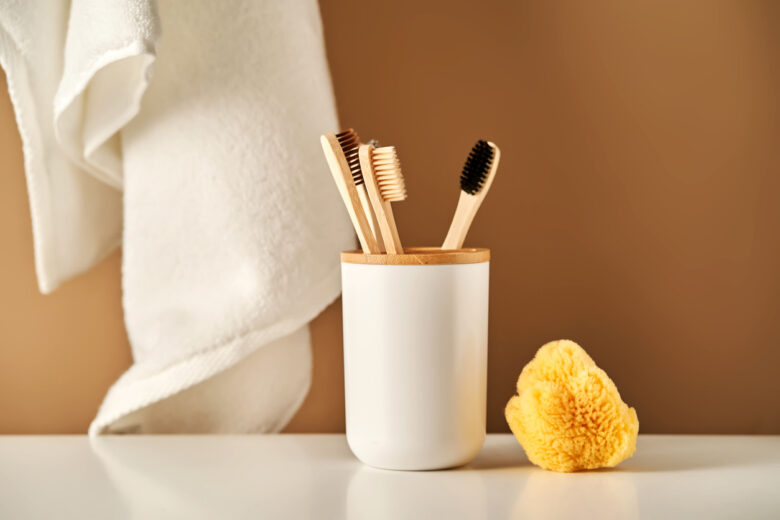
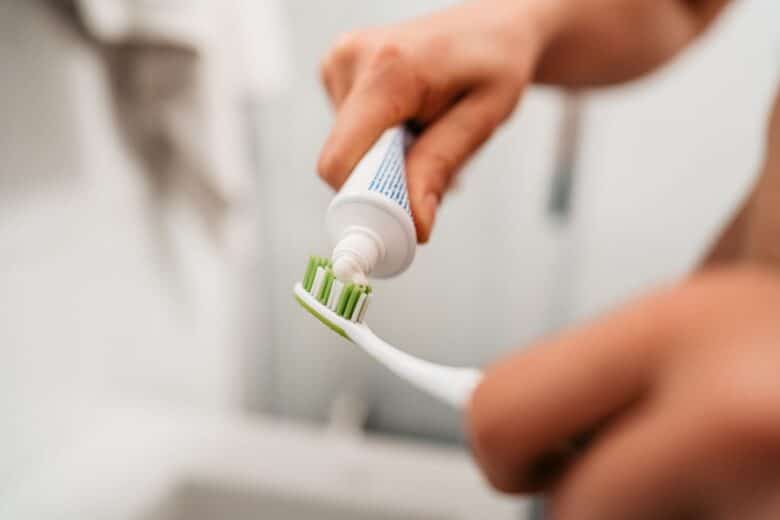
The bristles fray before anyone notices
A toothbrush loses real cleaning power well before it looks obviously worn. Left in service too long, it ends up harboring hundreds of thousands of bacteria, a number with nothing to do with how new it still looks sitting in the cup by the sink.
The bottom line
Every item on this list keeps working long after it should have been retired, just at a fraction of its original effectiveness. That’s why a favorite towel or a well-loved pillow sticks around long after it’s no longer doing its job.
Ask us! What questions do you have about content, strategy, pop culture, lifestyle, wellness, history or more? We may use your question in an upcoming article!
Related:
- Gadgets Boomers & Gen X grew up with that are nearly obsolete
- 9 best phones you can’t buy in the US (2026)
Like MediaFeed’s content? Be sure to follow us.
This article was syndicated by MediaFeed.co.