Happy birthday, America! What they would’ve eaten at America’s birthday party in 1776
The Fourth of July as a food holiday took a while to develop into what it is now. Hot dogs didn’t exist yet. Neither did hamburgers. Potato salad didn’t exist yet either. What people were eating in 1776 was whatever the land and water provided that week, which in July meant corn, fish, whatever was coming out of the garden, and in coastal areas, whatever the tide brought in. The army had been moving through the countryside for over a year, requisitioning supplies as it went. For a lot of people, the Fourth of July was just another day of the war, with better rum than usual.
Whatever was growing or swimming nearby
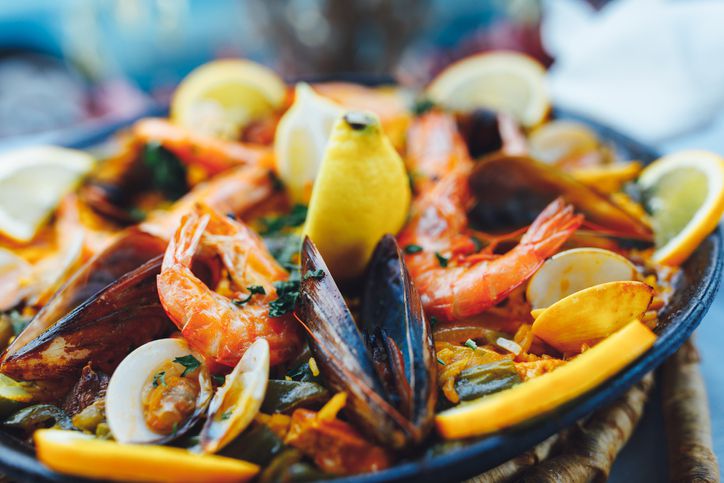
Transportation infrastructure barely existed. You ate what was local, seasonal and catchable. In Philadelphia, seafood was particularly abundant because the Delaware River was then pristine and teeming with fish, per Smithsonian’s founding food history. In New England, salmon was so plentiful in midsummer rivers that it became the traditional Fourth of July dish for generations, paired with green peas.
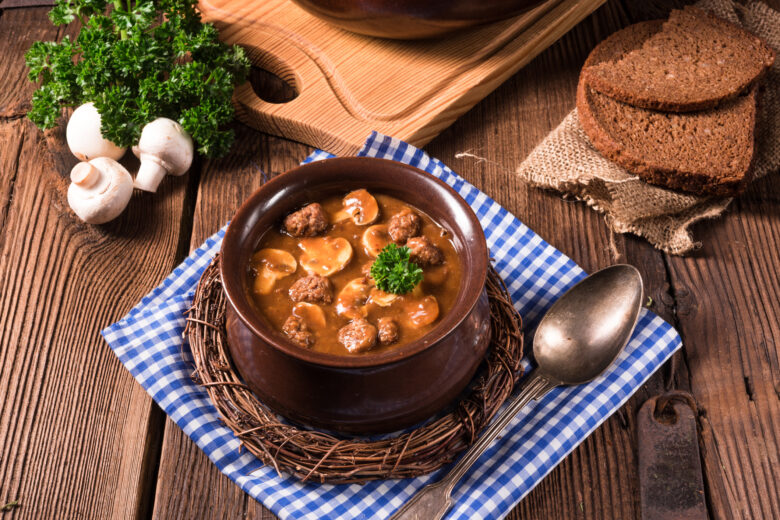
Stew
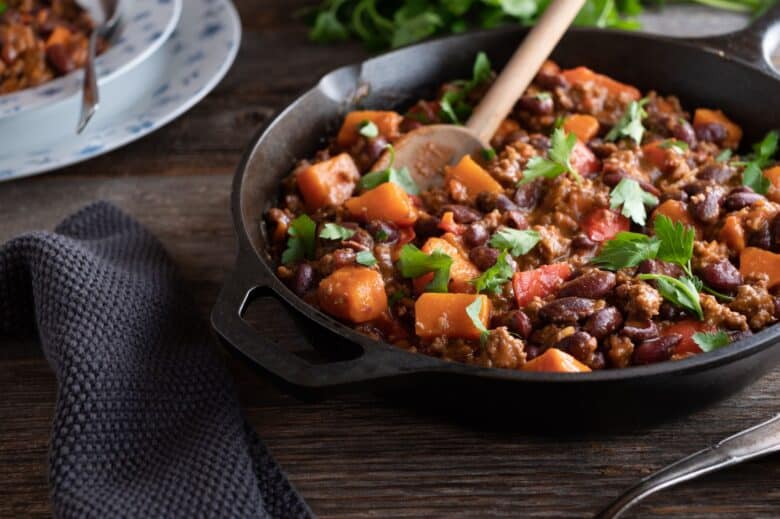
For ordinary colonists, meaning everyone who wasn’t a wealthy Philadelphia founder ordering Madeira by the case, the daily diet was stark. Frank Clark, Master of Historic Foodways at Colonial Williamsburg, has said that much of early colonial cooking comes down to a single dish: stew. Same thing every day, three times a day. That celebration didn’t transform what was on the table. It transformed how much rum accompanied it.
Rum
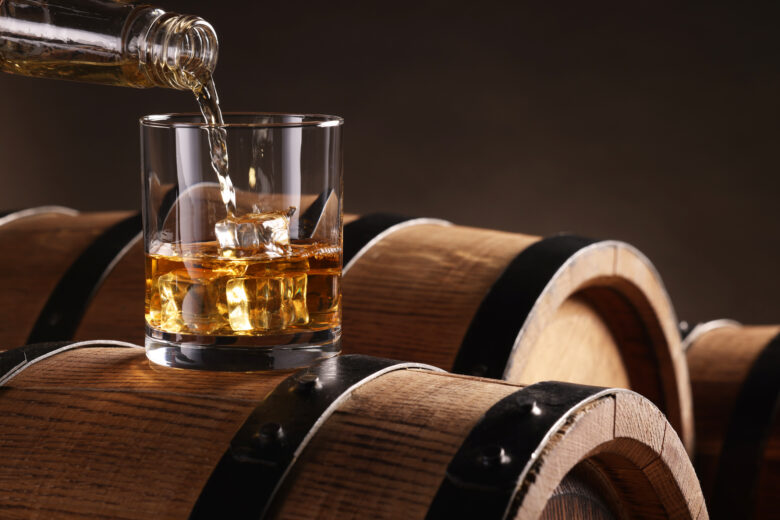
Colonial Americans drank roughly three times as much as modern Americans. Not because they were reckless. Because water would kill you. Children got ciderkin, a low-alcohol mix of hard cider and molasses. Adults drank everything else all day, including in the morning. Benjamin Franklin’s Drinkers’ Dictionary listed 200 synonyms for drunk, which is not the work of a man who considered this unusual. Washington ordered 54 bottles of Madeira, 60 bottles of Claret and seven bowls of punch for a single evening, which tells you something about either his hospitality or his thirst and possibly both.
Turtle soup and salmon with peas
John and Abigail Adams ate turtle soup on the first Fourth of July. That sentence requires a moment. Not because turtle soup is strange; it was a common enough celebration dish in the 18th century that ordering it signaled occasion rather than eccentricity. But because most people picture the Founding Fathers eating something more dignified than a reptile stew. Mental Floss documents salmon with green peas as the New England standard, timed to July’s Atlantic salmon abundance. Long after the salmon were gone, people kept eating it on the Fourth because that was the thing you ate on the Fourth.
Firecake
The soldiers weren’t eating any of the above. The Continental Army survived on firecake, flour mixed with water and baked over an open fire. No salt, no flavor, barely edible. Smithsonian notes that the rebels having anything to eat at all was one of the key logistical advantages that helped them outlast the British. Firecake is the honest answer to what America’s birthday party tasted like for most of the people fighting for independence in 1776.
The bottom line
The Fourth of July table in 1776 was local, seasonal, usually plain and accompanied by an alarming quantity of alcohol. The hot dog did not exist. Neither did the hamburger. What existed was whatever the river provided, whatever the farm produced, and enough rum to make everyone feel appropriately celebratory about having just declared independence from the most powerful empire in the world.
Ask us! What questions do you have about content, strategy, pop culture, lifestyle, wellness, history or more? We may use your question in an upcoming article!
Related:
- 10 budget-friendly ideas for a star-spangled July 4th bash
- Slang words from 1776 to brush off this July 4
Like MediaFeed’s content? Be sure to follow us.
This article was syndicated by MediaFeed.co.