14 things from the 1970s that would baffle teenagers today
Hand a modern teenager a rotary phone and film the results. It’s become its own viral video genre, and the confusion is genuine every single time.
Writers documenting everyday ’70s life keep landing on the same objects, tools and rituals so ordinary at the time that nobody thought twice about them.
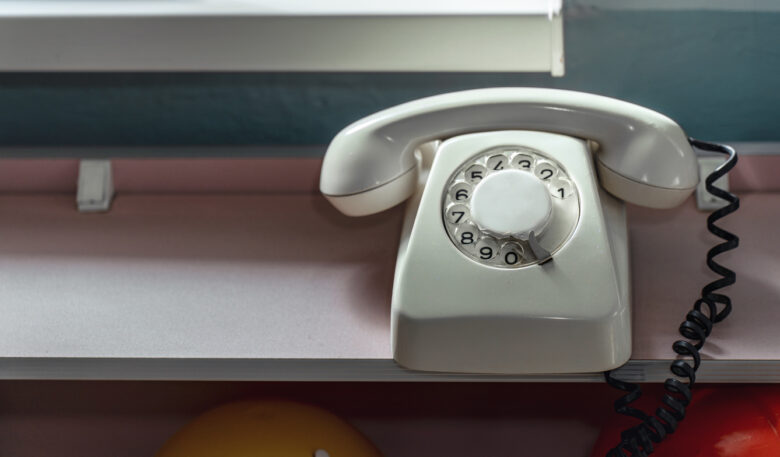
The rotary dial phone
No screen, no buttons, just a dial that had to spin all the way back to its resting position before the next digit could go in. Calling someone with a lot of zeros in their number genuinely took patience, and long-distance calls felt like an event.
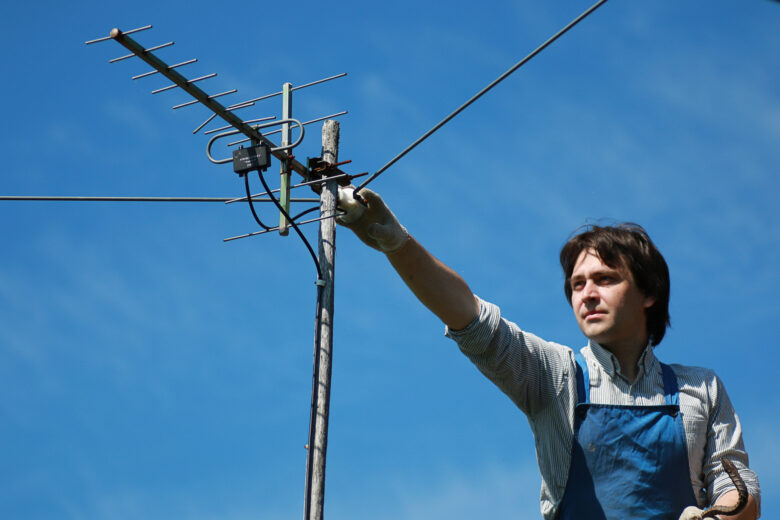
Manually tuning the TV antenna
Adjusting a rooftop antenna’s directional rotor box, sometimes with a family member yelling instructions from inside about whether the picture had cleared up yet. Whole neighborhoods would fill with the same buzzing, rotating antennas whenever something big was on TV that night. A few channels, a lot of static, and zero on-demand anything.
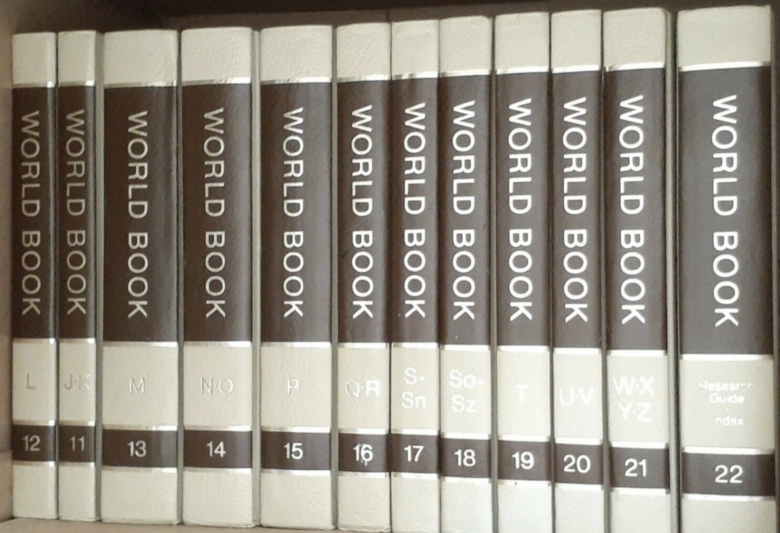
Encyclopedias
Before search engines existed, curiosity meant thumbing through heavy volumes on a bookshelf, scanning dense print, hoping the entry actually covered what a school project needed. A full set of Encyclopedia Britannica once served as a genuine status symbol in American living rooms, sized up by neighbors the way a car in the driveway is today. Patience was the whole system, not a workaround for it.

8-track tapes
Bulky cartridges that clicked audibly, sometimes mid-song, whenever the track changed. A genuine flaw everyone simply accepted, and one that couldn’t save the format once cassette tapes, smaller and rewindable to any point, started winning consumers over. 8-track sales actually peaked in 1978, and the format wasn’t fully phased out of stores until 1982, hanging on considerably longer than most people remember.
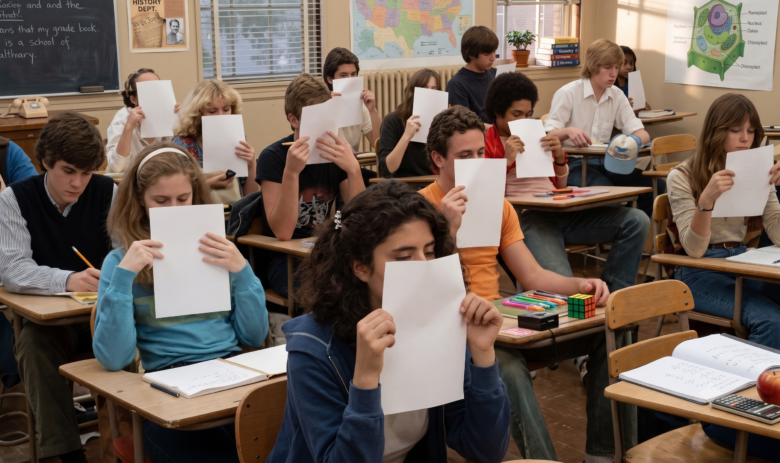
Mimeograph machines
School worksheets came out purple, printed by forcing ink through a stencil on a rotating drum, usually hand-cranked. Fresh copies had a distinct smell students would take a moment to appreciate before class started.

Typewriters and Wite-Out
A typed document was a committed document, since mistakes couldn’t be deleted, only painted over with correction fluid and retyped once it dried. The fluid itself, invented in 1966 specifically to fix smudging in photostatic copies, became a permanent fixture on every desk with a typewriter. Jammed keys and smudged Wite-Out were just part of writing anything down.
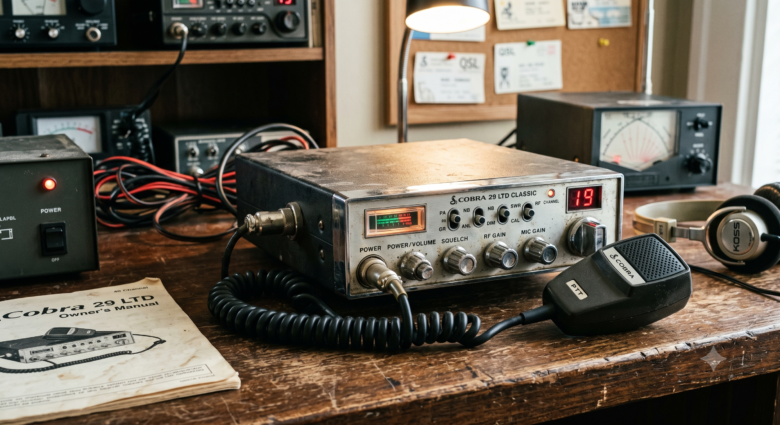
CB radios
“Breaker breaker” and “10-4” entered everyday vocabulary, mostly through truckers coordinating on the road, but plenty of regular households had one too. The 1975 hit song “Convoy” turned the whole subculture into a genuine cultural moment.
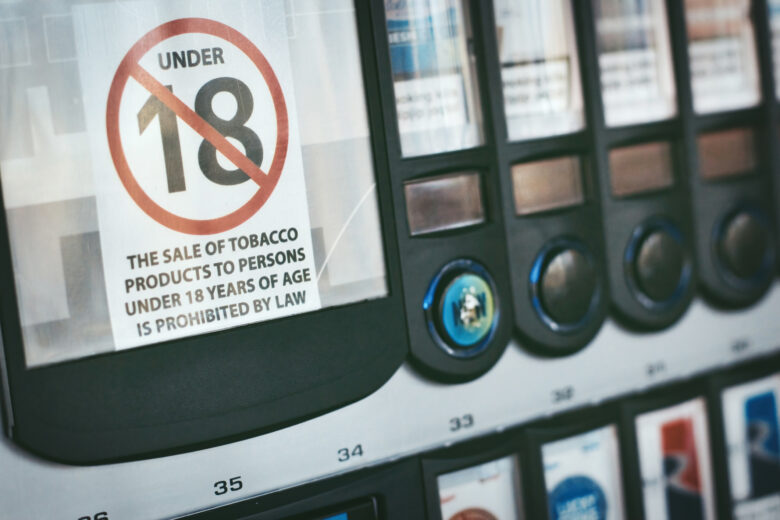
Cigarette vending machines
Diners had them right next to ashtrays sitting on every table, unremarkable fixtures nobody questioned at the time in restaurants, waiting rooms, and airport lounges alike.
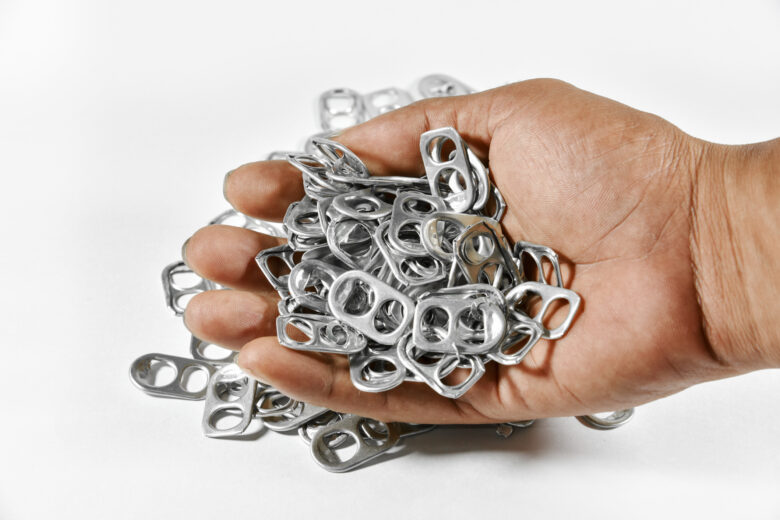
Pop-top tabs worn as jewelry
Soda cans used to have tabs that ripped off completely rather than staying attached, and plenty of people strung them together into makeshift necklaces and charm bracelets instead of tossing them out.
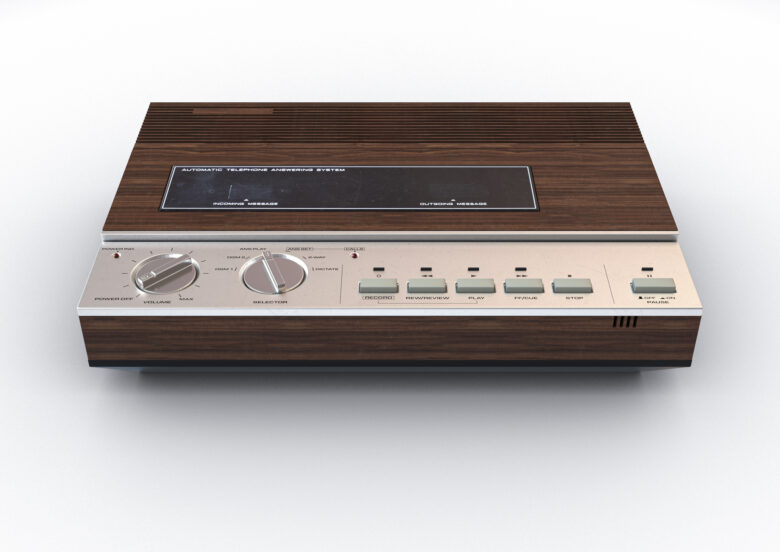
Cassette answering machines
A recorded greeting, incoming messages captured on tape, and a blinking light announcing how many calls came in while everyone was out. People got creative with their outgoing messages, treating them as tiny performances.
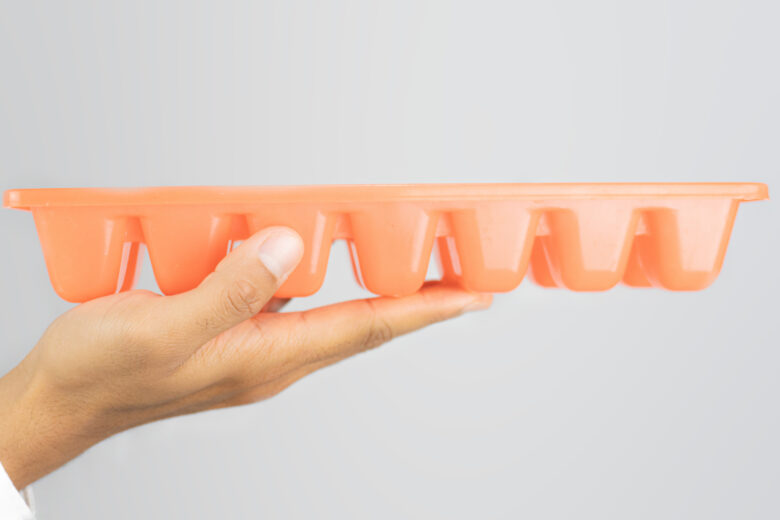
Twist-release ice cube trays
Metal trays requiring both hands and real effort to twist and pop the cubes free, one more everyday gadget from the era that automatic ice makers eventually made disappear from most kitchens entirely.
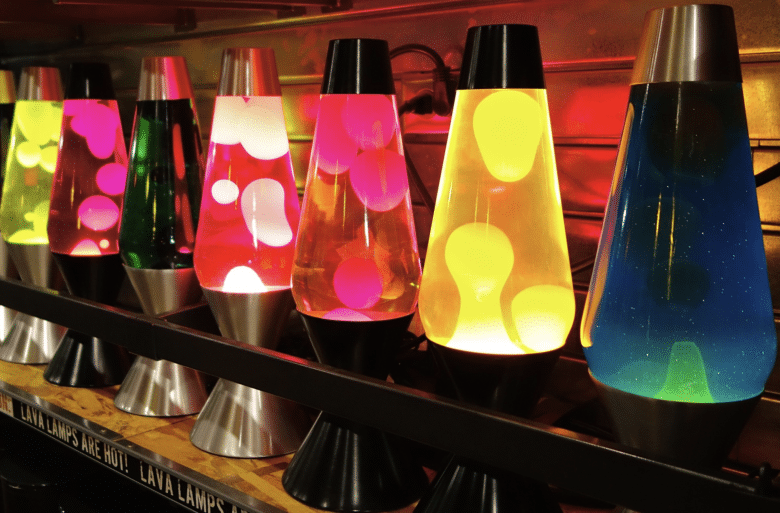
Lava lamps
Blobs of colored wax drifting in illuminated liquid, serving no practical purpose whatsoever, sitting in approximately every teenage bedroom in the country regardless.
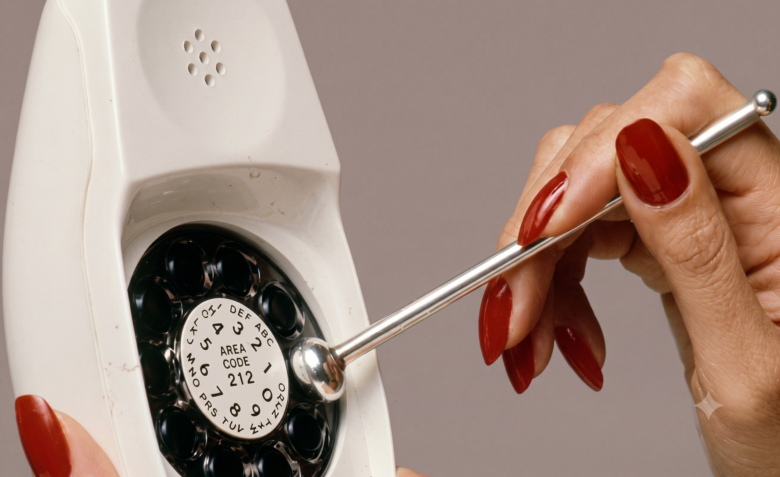
The rotary dial pen
A tiny mechanical wand kept next to the house phone, letting someone dial without lifting the whole receiver-mounted rotary mechanism. A genuinely strange little gadget that most people under thirty have never seen or even heard of.
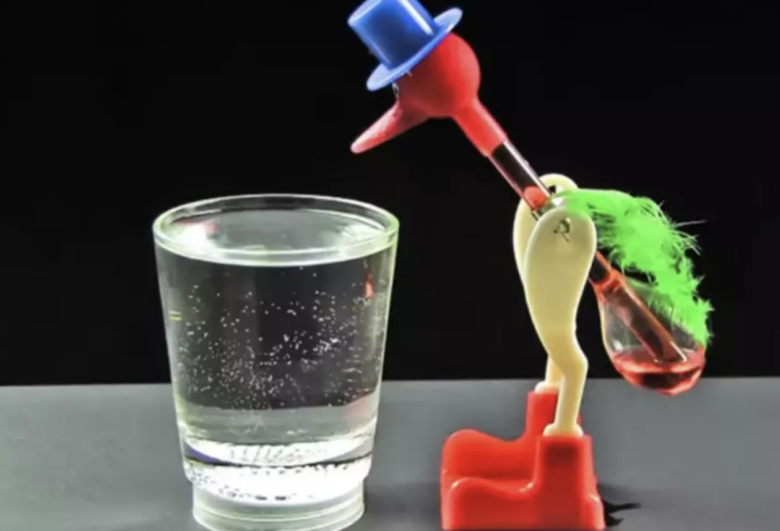
The drinking bird toy
A glass novelty bird that appeared to dip and drink from a water glass indefinitely, powered by evaporative cooling that lowers the pressure inside its own head. Marketed for decades as a thermodynamics demonstration disguised as a toy, it was never explained to the kids who just found it mesmerizing.

The bottom line
None of this technology was primitive by the standards of its own decade. It was simply the best available option, and every single item on this list eventually got replaced by something faster, quieter, or built into a phone that fits in a pocket.
Ask us! What questions do you have about content, strategy, pop culture, lifestyle, wellness, history or more? We may use your question in an upcoming article!
Related:
- 15 Things Boomers Still Miss About the Way Life Used to Be
- 7 everyday baby boomer habits that are illegal today
Like MediaFeed’s content? Be sure to follow us.
This article was syndicated by MediaFeed.co.