Forgotten car brands that deserved a second chance
Car people quietly carry a particular kind of automotive grief. Not for cars that failed because they were bad; the grief is for the brands that built genuinely good things, made one or two catastrophic decisions, and then disappeared before anyone could course-correct. The ones where the engineering was sound, the audience existed, and the timing was just slightly, fatally wrong.
Some of these brands get remembered only as trivia answers. Others show up in enthusiast forums where someone will inevitably say, “if they’d just held on another five years.” That sentence usually goes nowhere, but it is not wrong. A few of the brands below had everything they needed except the runway to prove it.
These are the names that still come up when serious collectors start talking about what the American and European auto industries threw away.
Studebaker built its best car right before it quit
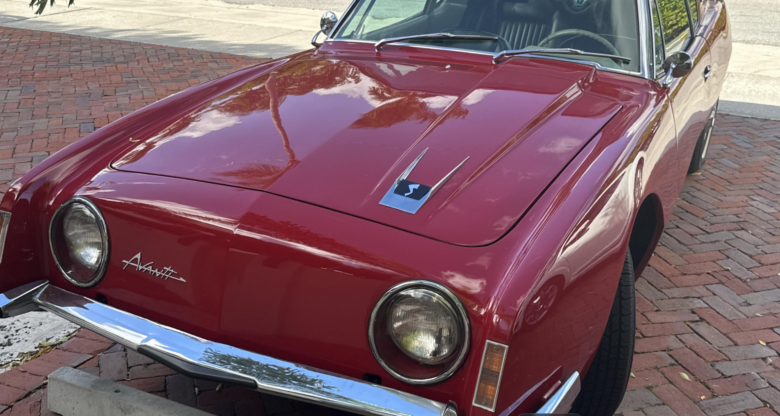
The 1963 Avanti was a fiberglass-bodied grand tourer with a supercharged V8 and a shape that the design world absolutely did not see coming from South Bend, Indiana. Road and Track called it one of the most aerodynamically sophisticated American production cars ever built. Studebaker folded two years later. The Avanti itself survived under independent ownership until 2006, which says something about the design’s pull. The brand that created it was already long gone.
DeSoto got an eleven-day notice after nineteen years
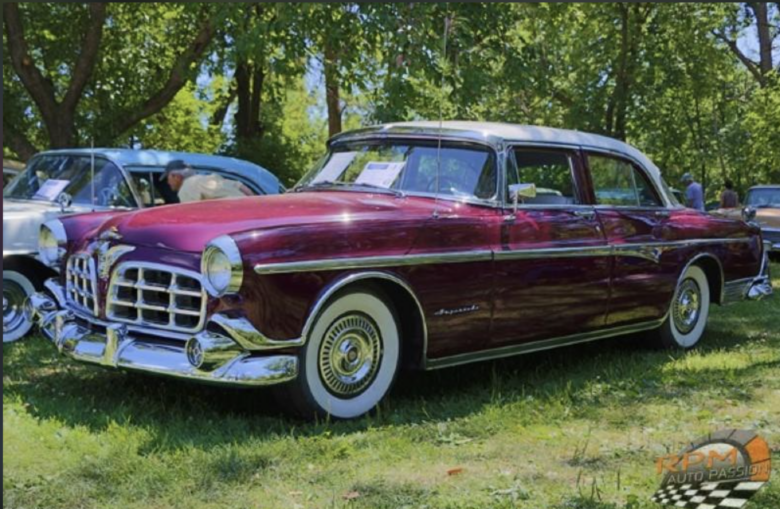
Chrysler killed DeSoto on November 30, 1960, with eleven days’ notice to dealers and 300 unfinished cars sitting on the assembly line. The brand had been slotted between Dodge and Chrysler in the company’s lineup since 1928 and had moved more than two million units over its run. According to Automobile Magazine, the timing largely stemmed from internal channel confusion rather than any real product failure. Customers who had ordered 1961 DeSotos were told to take a Chrysler instead. Some of them never bought a Chrysler product again.
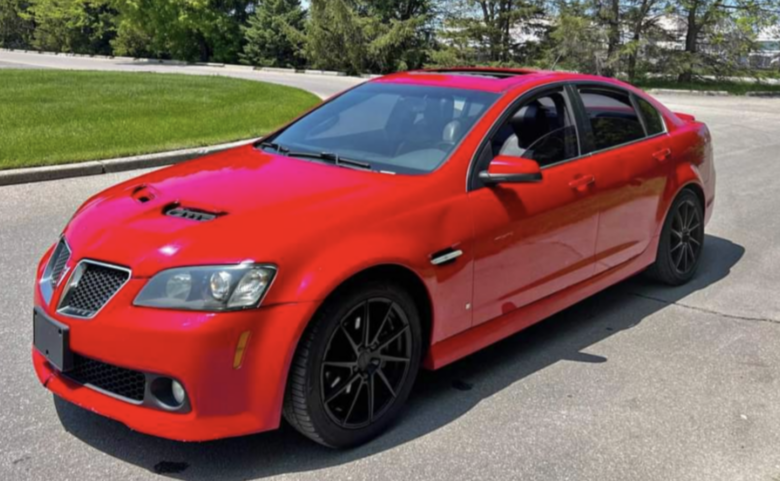
Pontiac’s last cars were quietly the best ones
The G8 GXP arrived in 2009 with a 415-horsepower LS3 V8 borrowed directly from the Corvette, rear-wheel drive, and a price tag that made BMW buyers nervous. GM announced Pontiac’s elimination the same year. MotorWeek confirmed the GXP undercut comparable European V8 sport sedans by at least $10,000 at a time when the brand had already been sentenced. It sold for two model years and then the nameplate was retired. Used G8 GXPs have quietly appreciated ever since, as if the market is settling a score the company never got to.
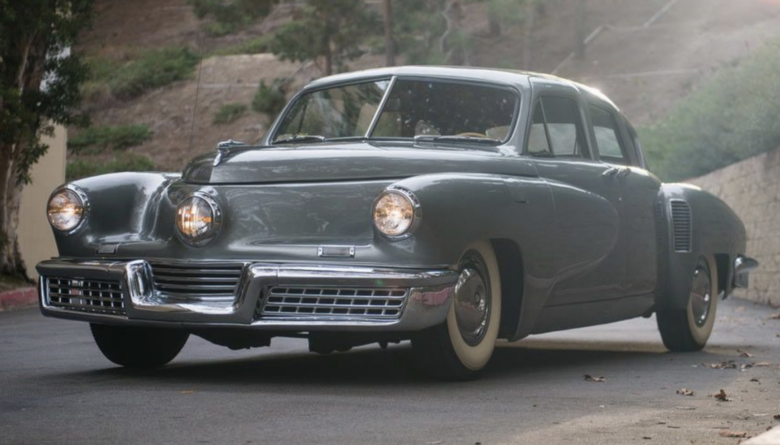
The Tucker 48 had features the industry would not match for twenty years
Preston Tucker built 51 cars before the Securities and Exchange Commission indicted him for fraud in 1948. The charges were eventually dismissed, but the company was already gone. Popular Mechanics documented the Tucker 48’s padded dashboard, a center headlight that turned with the steering wheel, and a pop-out windshield designed to eject safely in a crash as genuinely ahead of contemporary safety thinking. Forty-seven of the original 51 cars still exist. That survival rate is remarkable for something the government was apparently trying to bury.
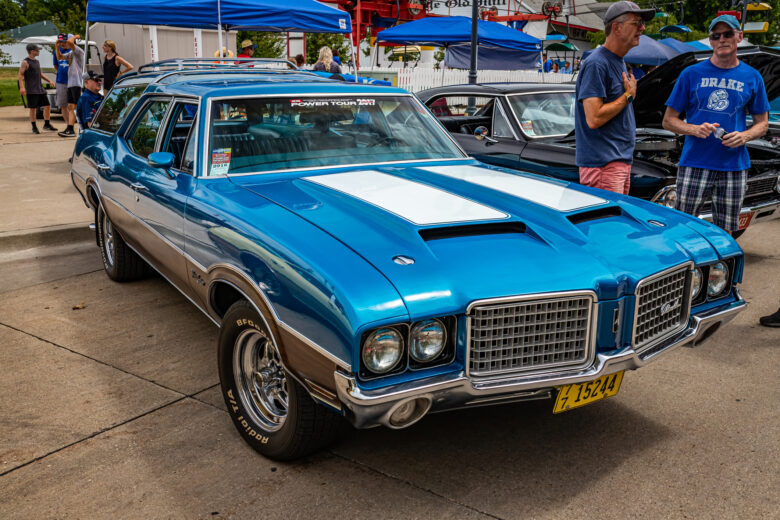
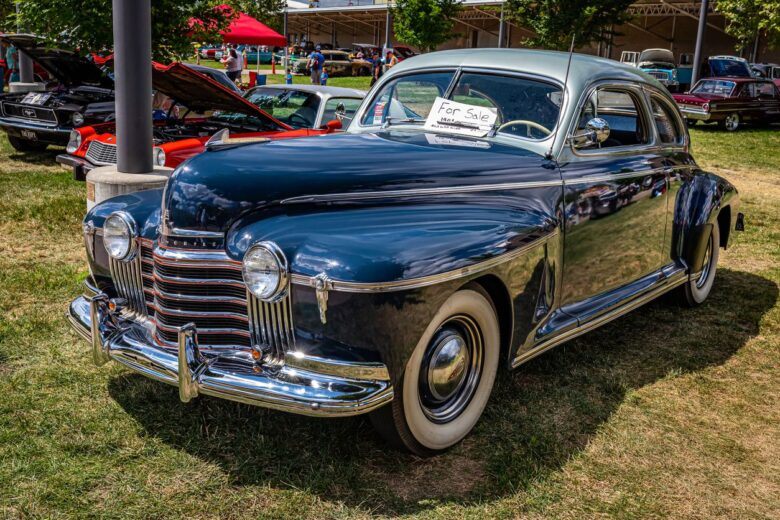
Oldsmobile spent its last years selling rebadged Chevrolets
GM announced Oldsmobile’s discontinuation in 2000 and spent four years winding it down. The brand was America’s oldest surviving automaker, founded in 1897, and introduced the automatic transmission to mass production. In its final years, it sold rebadged Chevrolets at a slight premium, which Automotive News described as a self-fulfilling prediction of failure. An earlier generation of Oldsmobiles, the Toronado, the Cutlass Supreme, the 4-4-2, would have been worth saving. Those cars had been gone a decade before the brand followed.
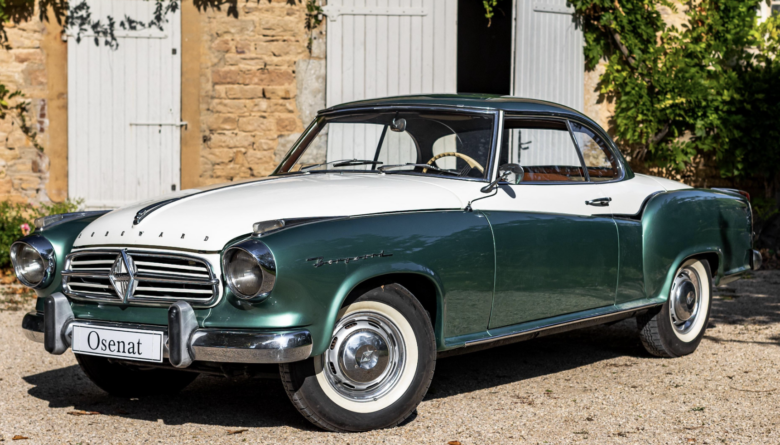
What happened to Borgward was never fully explained
Carl Borgward ran one of postwar Germany’s most successful independent automakers through the 1950s before his company collapsed in 1961 under disputed circumstances. The Isabella was a compact sedan and coupe that competed directly with early Mercedes models in export markets. Petrolicious documented a Der Spiegel article in January 1961 that gave the Bremen state government a pretext to cancel a promised loan guarantee, accelerating the collapse. Whether that constituted an engineered bankruptcy or opportunistic timing has never been definitively settled. The cars were real enough. What happened to the company behind them is still an open question.
The bottom line
None of these brands failed because they ran out of ideas. The Avanti outlived Studebaker by forty years. The Tucker 48 is still being written about. The G8 GXP is appreciating on the used market. There is a version of automotive history where any one of them got a second act. It did not happen, but the argument for it is still easy to make.
Ask us! What questions do you have about content, strategy, pop culture, lifestyle, wellness, history or more? We may use your question in an upcoming article!
Related:
Like MediaFeed’s content? Be sure to follow us.
This article was syndicated by MediaFeed.co.