
Classic rock songs that would cause controversy if released today
Radio programmers in the 1970s made a decision, more or less consciously, to evaluate songs like wallpaper. Did it fit the room? Would the neighbors mind? The lyrics were there if you listened, but the point was whether the song moved units, and it usually did. That calculation has changed. The songs have not.
What follows is not a list of bad music. Several of these tracks are genuinely excellent, which is exactly what makes the question interesting. The craft holds up. The content, read cold in 2026, is a different matter entirely.

“Run for Your Life” told you exactly what the Beatles would do
John Lennon wrote this for Rubber Soul in 1965 and later called it his least favorite Beatles song. He said he gave that reason because he borrowed a line from an Elvis Presley recording. That was part of it. The other part was that the song contains an explicit threat of violence against a romantic partner, stated plainly, without irony, in the first verse, and Lennon eventually acknowledged he was uncomfortable with what he had put on record. He told Rolling Stone in 1970 that it was “a song I just knocked off,” which understates things considerably. Rubber Soul is still considered one of the greatest albums ever made. The song is still on it. Nobody removed it. That is where things stand.

Under My Thumb
The Rolling Stones released this in 1966 and it was reviewed primarily as a showcase for Brian Jones’s marimba work. Excellent marimba work, to be clear. The AllMusic review spends most of its space on the groove, which is fair. The narrator describes a woman who has been reduced, deliberately and with effort, from someone confident into someone compliant, and he is satisfied about it. No ambiguity. A 2026 press cycle would not start with the marimba. It would start with the lyric sheet, and it would not get to the instruments for a while.
“Tonight’s the Night” spent eight weeks at number one
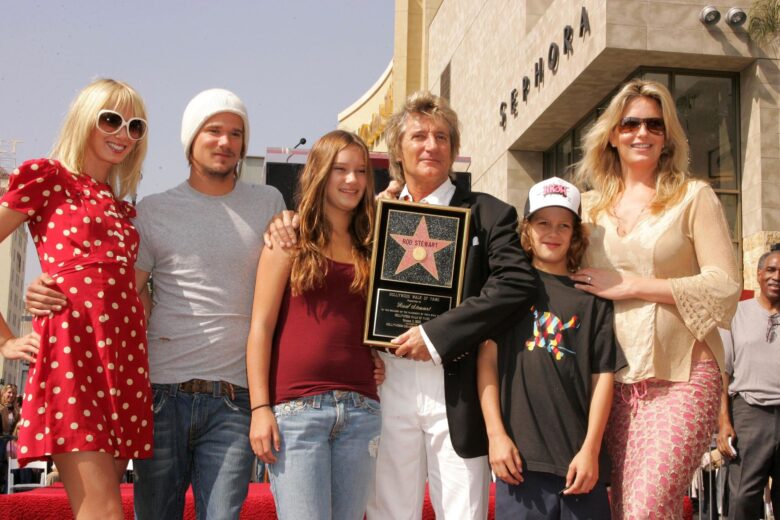
BBC Radio 1 refused to play it. 1976. The right call. The song is explicit about the seduction of a younger woman in a way that leaves nothing to implication and makes no effort to. Eight consecutive weeks at the top of the Billboard Hot 100 followed. The longest chart run that format had seen at the time. So the BBC said no, and American radio said yes, loudly, for two months straight. The BBC’s position has not aged badly. The chart run is genuinely confusing to look at now.
The Knack and “My Sharona”
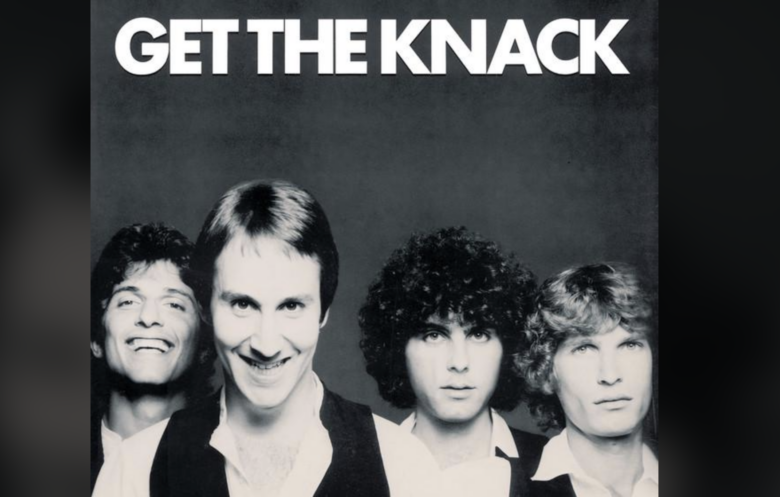
Doug Fieger was 25 when they recorded the song. Sharona Alperin was 17 when the relationship began. The song treats this as romance. Unambiguously. The Knack were not wrong about what 1979 audiences would find romantic. A streaming platform content team reviewing the lyrics in 2026 would have thoughts, and those thoughts would not stay internal for long.

“Jailbait” — not subtle, not ambiguous, not hiding anything
Not subtle. Not ambiguous. Not hiding anything. Ted Nugent. 1981. Released on a live album, it received radio play and charted. A label’s legal department in 2026 would not let this reach a pressing plant, and that is not an overreaction. The decades since have not complicated Nugent’s public image in a direction that makes reassessment easier.

“Whole Lotta Love” and the middle section specifically
Rolling Stone placed this among the greatest songs ever recorded, and it had company. The riff is one of the great riffs. Not a debate. The middle section runs nearly three minutes and includes what sounds like a woman in distress, layered beneath Robert Plant’s vocal and treated as psychedelic texture. In 1969, that passed without much comment in print. Whether it reads the same way now depends entirely on who is in the room when you ask. The riff is still the riff. The middle section is still the middle section.

The bottom line
The songs are not going anywhere. Forty, fifty years of airplay have embedded them in a canon that doesn’t revise easily, and probably shouldn’t. But if any of them landed in an A&R meeting today as a new submission, without the history attached, the conversation would not be about the production. It would be about the content. And it would be brief.
Ask us! What questions do you have about content, strategy, pop culture, lifestyle, wellness, history or more? We may use your question in an upcoming article!
Related:
- 10 feel-good movies to watch when you need a break
- The most controversial songs of the ’60s: Do you agree?
Like MediaFeed’s content? Be sure to follow us.
This article was syndicated by MediaFeed.co.