Automotive flops that were actually brilliantly designed: Do you agree?
Fashion and usefulness are two different concepts, and cars are one of the few products where both get graded on the same report card. Something can look like nothing else on the road and still fail completely at the actual job of getting someone from point A to point B without draining a bank account on repairs.
Six cars nailed the first part as most cars usually do, but that’s not the end of the story.
Here’s what happened next.

The DeLorean
130 horsepower. That’s what sat under a stainless steel body so striking it needed no badge, in a car pushing nearly 2,900 pounds. Giugiaro’s design was genuinely radical for 1981. The doors sagged on their hinges within a few years, and the panel gaps, on a car whose entire visual identity was flush steel, were inconsistent enough that early buyers complained regularly.
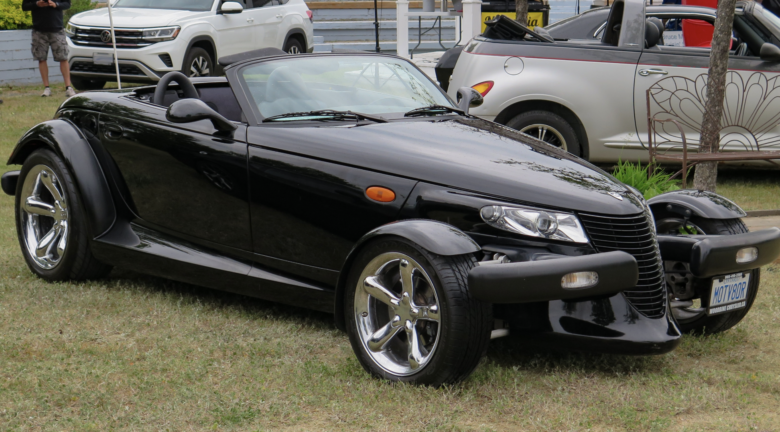
Plymouth’s Prowler
None. Essentially zero cargo space, forcing buyers to purchase a separate trailer just to carry luggage on a road trip. Everything else about it, the open front wheels, the hand-formed aluminum body, the 1932-style grille, worked exactly as intended. Hot-rodding purists still never forgave the V6 for skipping V8 rumble.
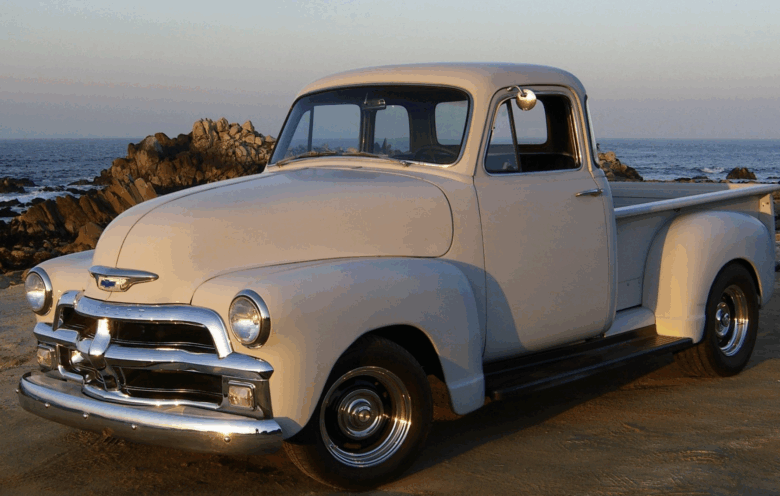
Chevrolet SSR
A retractable hardtop convertible on a pickup truck chassis. Chrome curves styled after a 1940s Chevy. It turned heads at every light it idled at. The bed was too short for real cargo, curb weight ran past two tons, and the first engine offered simply couldn’t move all that weight with any urgency.
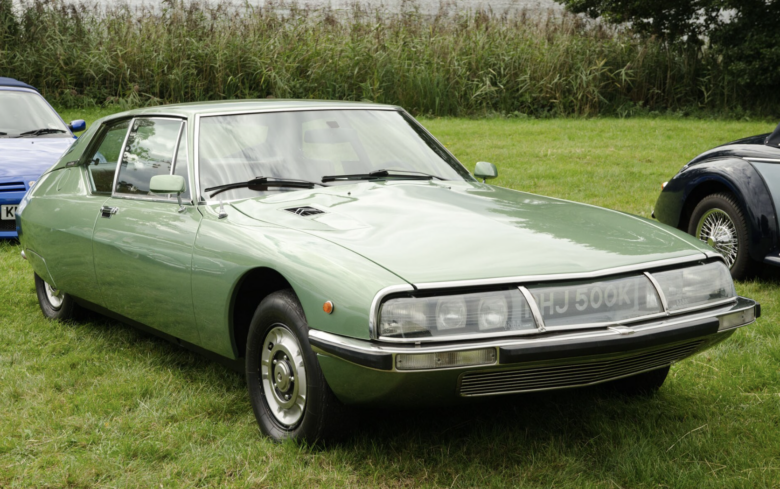
Citroën’s SM
French hydropneumatic suspension. A Maserati-sourced V6. One of the lowest, most striking body shapes to come out of the early 1970s. The self-leveling ride genuinely floated over bad pavement in a way competitors couldn’t match. Routine maintenance required mechanics specifically trained on Citroën’s hydraulics, a rare enough specialty that finding one outside Europe took real effort.
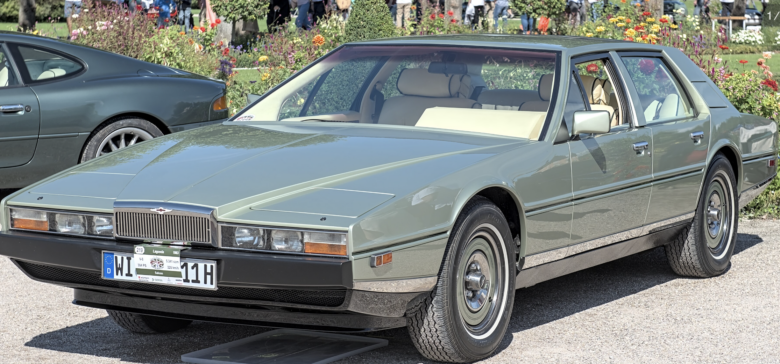
Aston Martin’s Lagonda
Aston Martin’s Lagonda swapped analog dials for digital displays and physical switches for touch panels throughout the entire cabin, years before any competitor tried anything close. The onboard computer came from an American military tech firm. Lucas Electronics components sourced for the system were notoriously unreliable, and full panels routinely stopped responding altogether.
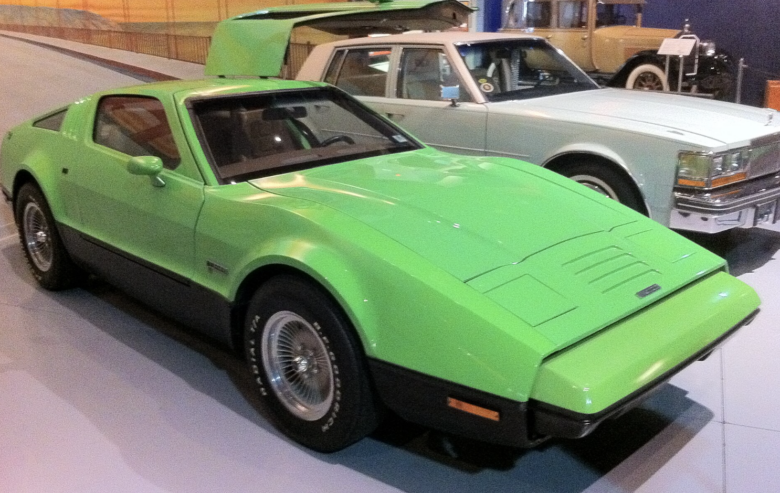
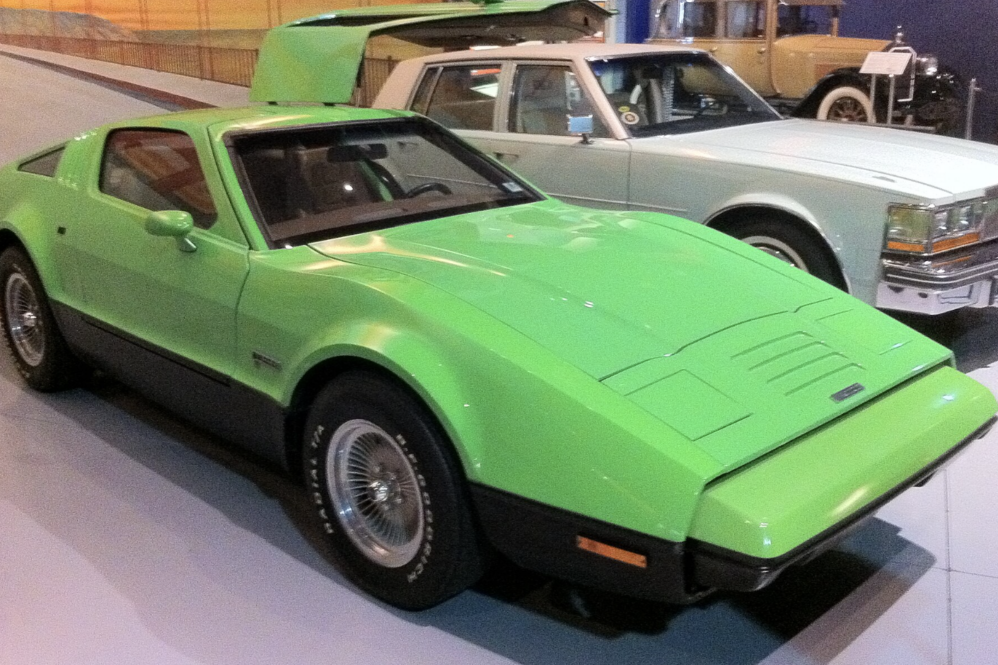
Bricklin SV-1
Gullwing doors. Integrated bumpers built directly into the body for a seamless look. A designer obsessed enough with hiding safety features that the doors ran on hydraulics instead of springs. Cold weather warped the acrylic-coated fiberglass panels, and leaving those signature doors open too long drained the battery completely flat.

The bottom line
Six design teams nailed the fashion half completely. None of them solved the harder problem underneath the sheet metal: the gap between a car that turns heads in a parking lot and one that gets driven every single day without complaint.
Ask us! What questions do you have about content, strategy, pop culture, lifestyle, wellness, history or more? We may use your question in an upcoming article!
Related:
Like MediaFeed’s content? Be sure to follow us.
This article was syndicated by MediaFeed.co.