
What everyone got wrong about growing older
Eggs were the enemy for most of the twentieth century. One yolk supposedly meant a clogged artery waiting to happen. Then the science reversed itself quietly, and it turned out dietary cholesterol barely affects blood cholesterol for most people.
Aging built up a similar stack of confident rules nobody ever audited. A 2021 AARP survey found 58 percent of adults over 40 believe cognitive decline is simply inevitable. That’s a lot of people carrying a belief the underlying research doesn’t actually support.
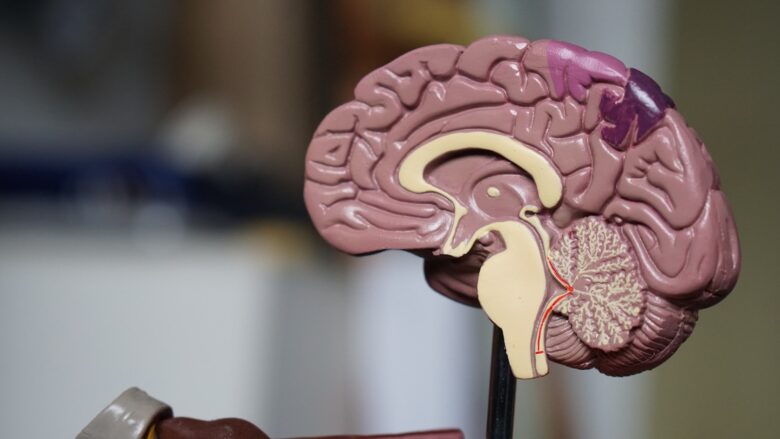
Neuroplasticity doesn’t clock out at 60
Old dogs learn new tricks constantly, as it turns out, at least the human kind. Exercise, novelty, and continued learning keep the brain forming new neural connections well past whatever age people assume shuts the process down, a finding backed by consistent neuroplasticity research rather than a feel-good slogan.

Memory slips got confused with something much bigger for decades
A forgotten name and an actual dementia diagnosis are not remotely the same event, even though casual conversation treats them as points on the same slide. A major Lancet Commission report identified 14 separate modifiable risk factors for cognitive decline, which is strange if the whole process were as fixed as people assume.

Where loneliness actually comes from
Rarely biology. Usually geography, or whoever’s still around. Whether the bus still runs a route, whether old neighbors moved away, whether there’s anyone left nearby worth calling. Life satisfaction and emotional regulation tend to improve with age rather than collapse, undercutting the whole “isolation is just what happens” story from an angle nobody expects.

The muscle-loss myth doesn’t survive a gym
Sarcopenia gets treated as a locked door past a certain birthday. Resistance training research keeps kicking that door back open, recording real strength and mass gains in participants well into their 80s and 90s. That shouldn’t be possible if the process were actually finished decades earlier the way it’s usually described.

Metabolism is not destiny
Slower doesn’t mean sealed. Weight outcomes still ride mostly on activity level, muscle mass, and diet, three variables that stay adjustable at any age regardless of what the metabolic rate is doing on its own. The word “inevitable” gets attached to weight gain far more often than the evidence actually earns.

A number worth sitting with
Two-thirds. That’s the share of women over 50 who do not have osteoporosis, despite a cultural assumption that treats the condition as close to a given once a woman crosses that age. The actual figure and the stereotype rarely occupy the same sentence, and that gap is the whole point.

The bottom line
Aging picked up a long list of rules nobody bothered to double-check, the same way eggs did for decades before anyone reversed course. Most of it turns out to be adjustable lifestyle territory wearing the costume of biological law.
Ask us! What questions do you have about content, strategy, pop culture, lifestyle, wellness, history or more? We may use your question in an upcoming article!
Related:
- 10 common foods that may help reduce inflammation
- 10 “healthy” foods that could be causing you to gain weight
Like MediaFeed’s content? Be sure to follow us.
This article was syndicated by MediaFeed.co.