Are These America’s Most Hated Chain Restaurants?
Chain restaurants occupy a complex position in American dining culture, where convenience and consistency often compete with quality and authenticity for customer loyalty. The sheer ubiquity of these establishments means they serve millions of customers daily, creating vast amounts of feedback data that can reveal patterns in customer satisfaction and dissatisfaction. Understanding which chains consistently struggle with customer approval provides insights into the factors that drive dining satisfaction beyond simple taste preferences.
Recent analysis of customer review data offers objective insights into which restaurant chains face the most significant challenges in satisfying their customers, moving beyond anecdotal complaints to examine systematic patterns in customer experiences. A comprehensive study by CouponBirds analyzed over 160,000 Google reviews to create weighted average scores for major chain restaurants, providing data-driven rankings that reveal which establishments consistently disappoint diners and which ones excel at customer satisfaction.
This examination of review data reveals that customer satisfaction in chain restaurants depends on consistency, service quality, and meeting expectations, rather than simply providing exceptional food. This creates clear distinctions between chains that deliver reliable experiences and those that frustrate customers through inconsistent performance.

The lowest-rated chains
The CouponBirds study identified seven chain restaurants that consistently received the lowest customer satisfaction ratings, revealing patterns of operational challenges that transcend individual location problems. These establishments, ranging from regional favorites to global franchises, demonstrate how various factors, including service consistency, food quality, and operational execution, can impact overall customer experiences regardless of brand recognition or market presence.
The lowest-performing chains span different restaurant categories and geographic markets, suggesting that customer dissatisfaction stems from systematic operational issues rather than specific market conditions or competitive pressures. Understanding these patterns provides valuable insights into the fundamental challenges that can undermine restaurant success even when other business metrics might suggest different outcomes. The study’s methodology ensured that these rankings reflected genuine customer experiences rather than isolated incidents or regional preferences.

Taco John’s
Taco John’s emerged as the lowest-rated chain with a score of 2.61 out of 5, reflecting consistent customer dissatisfaction despite the Wyoming-based franchise’s regional popularity for items like Potato Olés. The chain operates primarily in the Midwest and Mountain regions, suggesting that even regional familiarity and specialty items cannot overcome fundamental service or quality issues that frustrate customers. Customer complaints often cite problems with food freshness, service speed, and order accuracy, which create negative dining experiences despite the chain’s regional presence and brand recognition.
The franchise’s signature item, Potato Olés, represents seasoned potato rounds that have developed a cult following among a specific customer base. Yet, this specialty product cannot offset broader operational challenges that affect overall customer experiences. Taco John’s struggle with customer satisfaction demonstrates how regional chains face in maintaining quality standards across diverse markets while competing against larger national chains with greater resources for training and operational support. The chain’s position at the bottom of customer satisfaction rankings indicates that regional loyalty alone cannot sustain business success without addressing fundamental service and quality issues that drive customer dissatisfaction.
McDonald’s
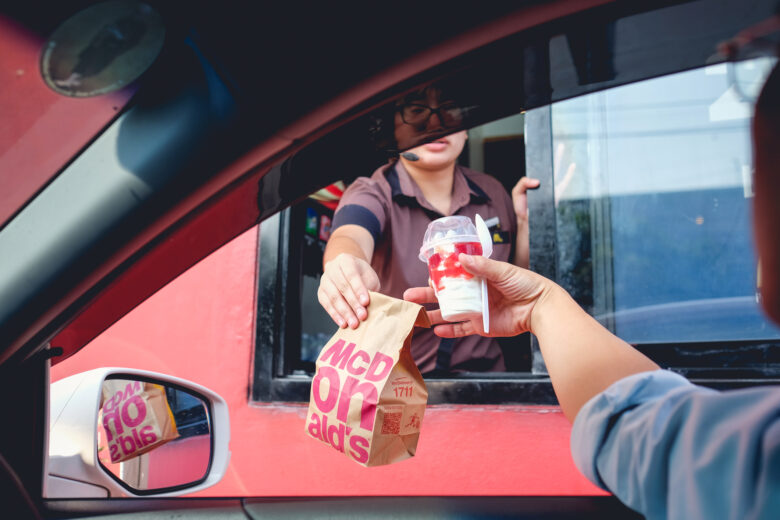
McDonald’s ranking as the second-lowest chain with a 2.75 rating proves particularly surprising given its global dominance and massive customer base, suggesting that widespread accessibility doesn’t translate to customer satisfaction. The world’s largest restaurant chain faces persistent criticism for inconsistent food quality, frequently malfunctioning equipment, such as ice cream machines, and service issues that negatively impact customer experiences across thousands of locations. The franchise’s notorious soft-serve machine problems have become cultural memes, with customers regularly encountering broken ice cream equipment that prevents them from ordering advertised menu items.
McDonald’s vast scale, operating over 13,000 locations in the United States, creates unique challenges in maintaining consistent quality and service standards across diverse markets and franchise ownership structures. The chain’s low customer satisfaction rating reflects the difficulty of managing quality control across such an extensive network, where individual location problems can significantly impact overall brand perception. The disconnect between commercial success and customer satisfaction highlights how operational scale can sometimes work against quality consistency, as systematic maintenance and operational challenges affect customer experiences nationwide.

Bobby’s Burgers by Bobby Flay
Bobby’s Burgers by Bobby Flay received a 2.84 rating, placing third on the lowest-rated list despite the celebrity chef’s high-profile brand recognition and culinary reputation. This disconnect between brand expectations and actual performance suggests that celebrity endorsements and professional cooking credentials don’t guarantee successful chain restaurant operations. The celebrity chef’s television presence and cookbook success create elevated customer expectations that may be difficult to meet in a fast-casual restaurant format, where operational efficiency and cost control often conflict with culinary excellence.
The challenges of translating celebrity chef expertise into successful chain restaurant operations include maintaining quality standards across multiple locations, training staff to execute recipes consistently, and balancing food costs with customer expectations. Celebrity-branded restaurants often struggle with the tension between maintaining the chef’s reputation and operating profitable restaurant businesses that can compete in the competitive fast-casual market. The low customer satisfaction rating suggests that Bobby Flay’s brand hasn’t successfully navigated these operational challenges, as customers approach the restaurants expecting restaurant-quality food and service that reflects the celebrity chef’s professional reputation.
Walburgers at Hy-Vee
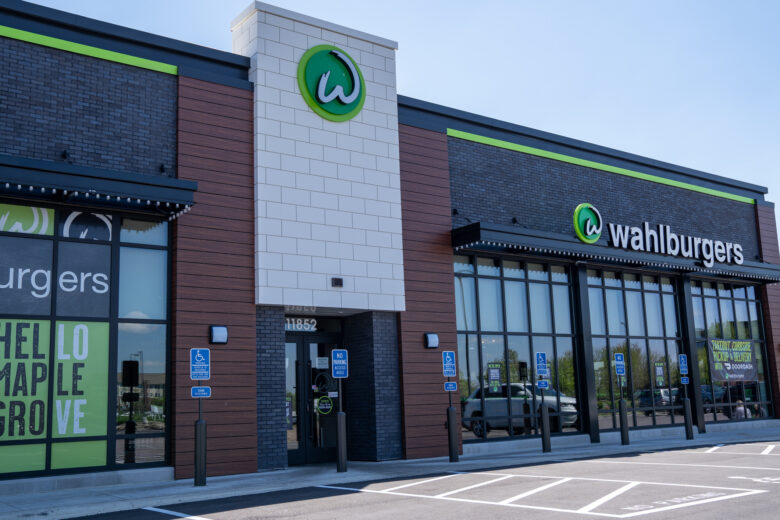
Wahlburgers locations within Hy-Vee supermarkets earned a 2.85 rating, ranking fourth among the lowest-rated chains. The unique grocery store setting may contribute to different customer expectations and experiences compared to standalone restaurants. This hybrid model may create operational challenges that affect food quality or service delivery, as restaurant operations must integrate with grocery store logistics and staffing. The supermarket location format presents unique operational challenges, including shared kitchen facilities, different staffing models, and customer flow patterns that may not optimize restaurant service quality.
Celebrity brand recognition from the Wahlberg family, known for entertainment careers and previous restaurant ventures, creates elevated customer expectations similar to those of other celebrity-branded establishments. However, the grocery store setting may prevent the restaurant from delivering the full-service experience that customers associate with celebrity dining brands. This disconnect between brand expectations and operational reality within grocery store environments contributes to lower customer satisfaction ratings, as customers entering grocery stores for shopping might have different expectations and time constraints than those visiting dedicated restaurants.
Note that since the survey was taken, Hy-Vee has ended its partnership with Walburgers in favor of reopening its Market Grilles.

Popeyes
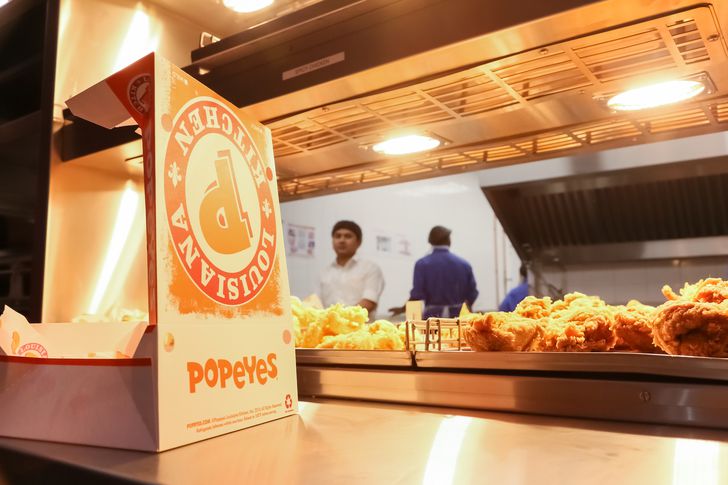
Popeyes’ appearance at fifth place with a 2.90 rating surprises many observers given the chain’s loyal fan base and viral marketing success around items like their chicken sandwich. This rating suggests that viral popularity and social media buzz don’t necessarily translate to consistent customer satisfaction across all locations. The chain’s chicken sandwich garnered massive social media attention and created long lines at locations nationwide, demonstrating the power of viral marketing and product innovation in driving customer interest. However, the increased demand placed a significant strain on restaurant operations.
Popeyes’ Louisiana-inspired menu and distinctive flavors have created passionate fans who appreciate the chain’s bold seasoning and authentic taste profiles; however, operational inconsistencies may prevent the brand from delivering consistently satisfying experiences to all customers. Issues with service speed, order accuracy, and food consistency can undermine even the most loyal customer relationships. The chain’s operational challenges during periods of high demand demonstrate how popular products must be supported by strong operational systems to maintain customer satisfaction, as the gap between marketing success and operational execution creates a disconnect between brand excitement and actual customer experiences.
Sonic
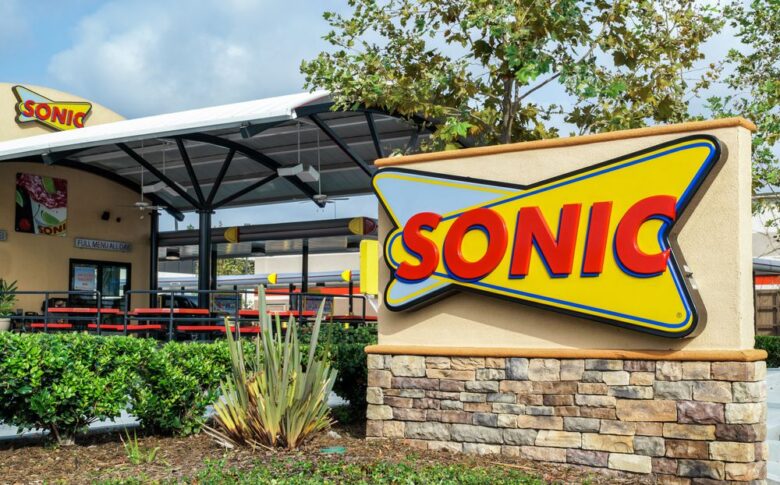
Sonic’s sixth-place ranking, with a 2.93 rating, reveals interesting patterns where customers praise the chain’s frozen treats and drink options, but consistently criticize the food quality. This split satisfaction creates overall ratings that reflect mixed experiences rather than uniformly poor performance. The chain’s extensive drink menu, featuring numerous flavor combinations and frozen treats, represents a significant strength that attracts customers seeking refreshing beverages and desserts. However, the contrast between beverage satisfaction and food quality disappointment suggests operational challenges in managing diverse menu categories.
Sonic’s unique drive-in format, featuring carhop service and individual ordering stations, creates distinctive dining experiences that differentiate the brand from traditional drive-through establishments. However, this format may also create operational complexities that affect food quality consistency, as orders are prepared in central kitchens but delivered to numerous individual service points. The drive-in service model presents both opportunities for differentiation and challenges for maintaining consistent food quality across all menu categories, as the drive-in format and unique ordering system may create operational challenges that affect food preparation consistency compared to beverage service, which typically requires less complex preparation.

Wetzel’s Pretzels
Wetzel’s Pretzels rounds out the bottom seven with a 3.02 rating, technically achieving a passing grade but still falling short of the customer satisfaction levels achieved by top-performing chains. The study notes that the difference between the worst- and best-rated chains remains relatively small, suggesting that even minor improvements in consistency or service could have a significant impact on rankings. The pretzel chain primarily operates in mall food courts and entertainment venues, creating unique operational challenges due to high-traffic locations with diverse customer demographics and varying service expectations.
Wetzel’s Pretzels specializes in fresh-baked pretzels with various toppings and flavors, representing a focused menu strategy that should theoretically support consistent quality control and operational efficiency. However, the 3.02 rating suggests that execution challenges may affect customer experiences, possibly related to product freshness, service speed, or meeting customer expectations for pretzel quality and variety. The chain’s mall-based locations present both opportunities for high foot traffic and challenges in creating satisfying dining experiences in non-traditional restaurant environments, as food court environments often feature limited seating, shared dining spaces, and time-pressured customers who may have different expectations than those of traditional restaurant patrons.
A counterpoint: The “most loved” chains
The same CouponBirds study that identified America’s lowest-rated chains also revealed the establishments that consistently excel at customer satisfaction, providing valuable insights into the operational and strategic factors that drive positive dining experiences. These top-performing chains demonstrate that customer satisfaction depends primarily on consistency, quality execution, and meeting established expectations rather than revolutionary concepts or premium pricing strategies.
The contrast between the highest and lowest-rated chains reveals clear patterns in what drives customer satisfaction across different restaurant categories and price points. While the bottom-performing chains struggle with consistency and operational execution, the top-rated establishments excel at delivering reliable experiences that match or exceed customer expectations. Understanding these differences offers valuable lessons for restaurant operators seeking to enhance customer satisfaction and establish sustainable competitive advantages.
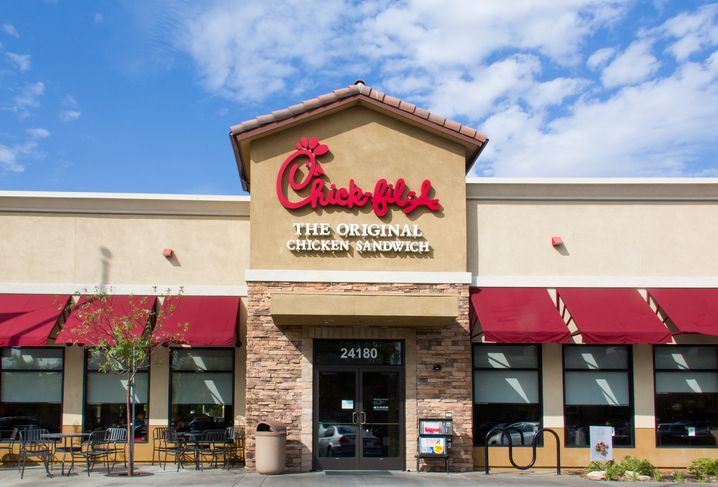
Chick-fil-A
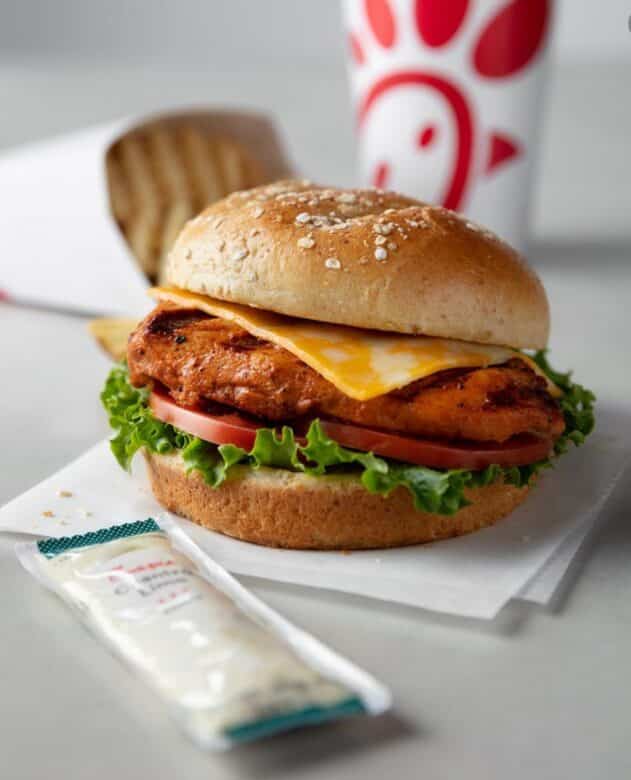
Chick-fil-A emerged as the highest-rated chain, with a 3.95 rating, demonstrating that consistent service and quality can overcome operational limitations, such as being closed on Sundays. This top ranking reflects the chain’s focus on customer service training, food quality consistency, and operational excellence, which creates positive experiences across all locations. The chain’s distinctive corporate culture emphasizes employee training and customer service excellence, creating operational standards that consistently deliver positive customer experiences. Its investment in staff development and operational systems demonstrates how prioritizing employee satisfaction can directly impact customer satisfaction levels.
The chicken-focused menu strategy enables Chick-fil-A to concentrate its resources and expertise on perfecting a limited number of items, rather than managing diverse menu categories that might dilute its quality focus. This specialization enables the chain to achieve higher consistency levels than its competitors, which attempt to serve broader menu selections. The strategic focus on excellence in core offerings, rather than menu expansion, has proven successful in driving customer loyalty and satisfaction. The company’s selective franchise approval process and comprehensive training programs help maintain quality standards across all locations.
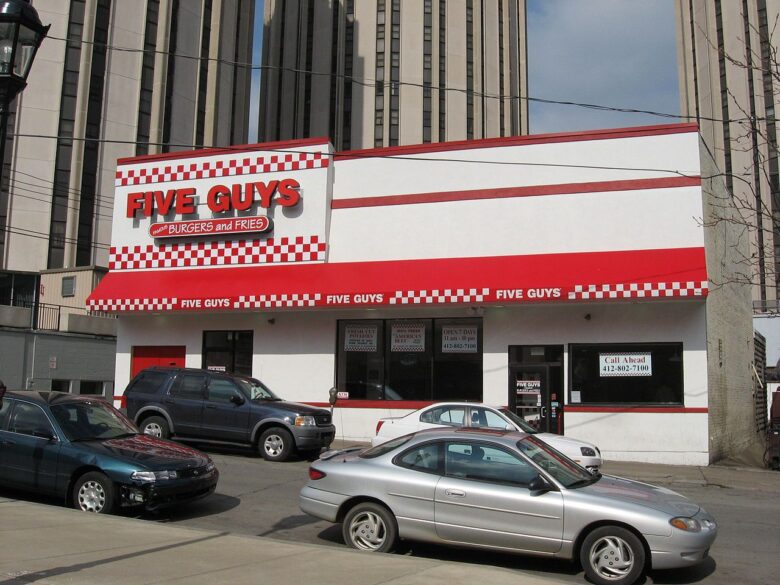
Five Guys
Five Guys achieved a 3.85 rating through its focus on fresh ingredients, customizable orders, and transparent food preparation that allows customers to see their meals being prepared. The chain’s higher price point compared to traditional fast food creates different customer expectations, but its execution consistently meets or exceeds these elevated standards. The restaurant’s commitment to using fresh, never-frozen ground beef and hand-cut fries appeals to customers seeking higher-quality fast-casual dining experiences, which requires more complex supply chain management and higher food costs, while creating differentiation that justifies premium pricing.
Five Guys’ customizable burger approach, featuring numerous topping options at no additional charge, creates a value perception that offsets higher menu prices while allowing personalized dining experiences. The generous portion sizes, particularly for French fries, contribute to value perception and customer satisfaction. The chain’s quality-focused approach demonstrates how operational excellence can support premium positioning in competitive market segments. At the same time, the transparent kitchen design allows customers to witness food preparation, building trust and confidence in quality standards that translate to higher satisfaction ratings.

Jersey Mike’s Subs
Jersey Mike’s Subs earned a 3.76 rating by emphasizing freshly sliced meats and vegetables, made-to-order preparation, and consistent sandwich quality that differentiates the brand from competitors using pre-packaged ingredients. The chain’s focus on food quality and customization appeals to customers seeking healthier fast-casual options. The submarine sandwich chain’s commitment to slicing meats and cheeses fresh for each order creates operational complexity. Still, it delivers superior taste and texture compared to pre-sliced alternatives, requiring additional labor and time while creating significant quality differentiation that customers notice and appreciate.
Jersey Mike’s emphasis on authentic East Coast submarine sandwich traditions appeals to customers seeking regional authenticity and traditional preparation methods. The chain’s marketing focus on quality ingredients and preparation techniques helps set appropriate customer expectations that align with actual delivery capabilities. The authentic preparation methods, combined with consistent execution across locations, create customer satisfaction that supports continued growth. As the fresh-sliced approach becomes a core brand differentiator, it justifies premium pricing while illustrating how specialization and quality focus can lead to customer satisfaction in competitive market segments.
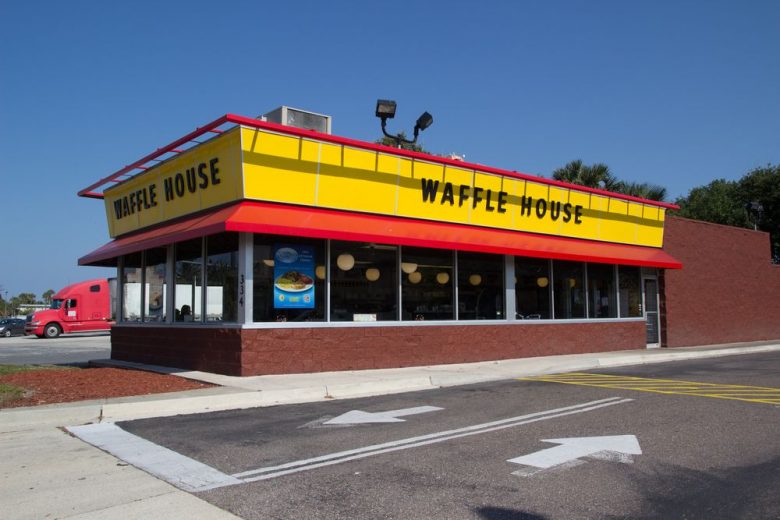
Waffle House
Waffle House achieved a 3.72 rating, despite its reputation for basic, no-frills dining, demonstrating that consistently meeting customer expectations can create satisfaction even without premium ingredients or upscale environments. The chain’s 24-hour availability, reliable food quality, and distinctive atmosphere create loyal customer relationships based on dependability rather than luxury. The restaurant chain’s round-the-clock operations serve customers during late-night and early-morning hours when dining options are limited, creating utility value that extends beyond food quality considerations. This makes Waffle House an essential service provider for shift workers, travelers, and night-shift employees.
Waffle House’s open kitchen format and counter seating create social dining experiences that build community connections among regular customers and staff members. The chain’s consistent menu, preparation methods, and restaurant layout create familiar environments that provide comfort and predictability for customers seeking reliable dining experiences. This cultural authenticity and operational consistency demonstrate how unpretentious concepts can achieve high customer satisfaction through reliable execution and genuine hospitality, while the operational challenge of maintaining food quality and service standards 24 hours a day requires exceptional systems and staff training that contribute to overall customer satisfaction.
Conclusion
The comprehensive analysis of customer review data reveals that chain restaurant success depends on delivering consistent experiences that meet customer expectations rather than pursuing exceptional food or innovative concepts that might impress critics but frustrate everyday diners. The power of aggregated customer feedback demonstrates how operational issues, service problems, and quality inconsistencies create systematic patterns that affect brand reputation and customer loyalty over time.
These rankings serve as valuable reminders that, in the competitive landscape of chain restaurants, every customer interaction matters and minor operational improvements can have a significant impact on overall satisfaction scores. The narrow margins between top and bottom performers suggest that chains struggling with low ratings have opportunities to improve their standings by focusing on consistency and service quality rather than major concept overhauls.
Related:
Like MediaFeed’s content? Be sure to follow us.
This article was syndicated by MediaFeed.org.