Editorial Note: The content of this article is based on the author’s opinions and recommendations alone. It may not have been previewed, commissioned or otherwise endorsed by any of our network partners.
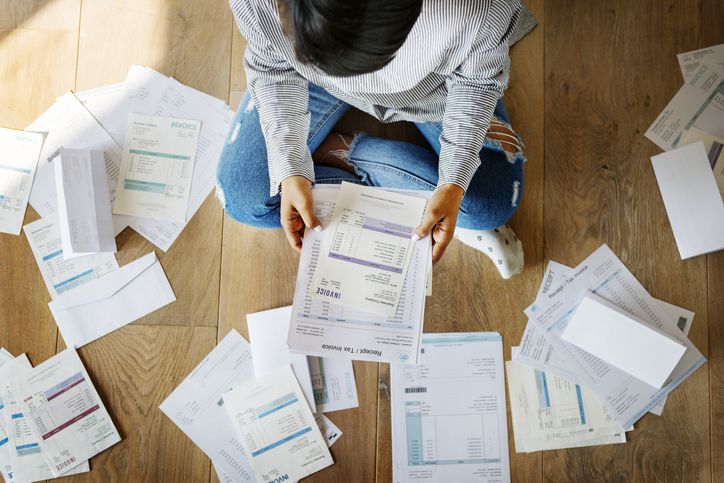
Minimum wage debates aren’t new, but they’ve gained more attention as employers struggle to fill low-wage jobs and enhanced federal unemployment benefits come to an end. Proponents for a higher minimum wage argue that current federal and state minimum wage laws don’t provide workers with enough income to afford basic necessities like housing.
The proponents are right, as LendingTree researchers found that median homeowner and rent costs are unaffordable to minimum wage workers in each of the nation’s 50 states — and have been since at least 2000.
LendingTree used U.S. Department of Labor and U.S. Census Bureau data to determine whether owning or renting a home is affordable to a person working a full-time minimum wage job. Assuming a person could afford to spend up to 30% of their gross monthly income on housing, LendingTree calculated how much in monthly housing costs a person working 40 hours a week for 52 weeks a year at an hourly wage equivalent to their state’s minimum wage could afford. Researchers then compared that figure to the median monthly homeowner costs for homes with a mortgage and the median monthly gross rent payment in each state.
Image Credit: Gerasimov174 / istockphoto.
Methodology
LendingTree researchers analyzed data in the nation’s 50 states to determine whether the monthly cost of owning or renting a home was affordable to a worker earning minimum wage.
Median monthly housing costs for homeowners with a mortgage and median monthly gross rent costs are derived from the U.S. Census Bureau’s 2019 American Community Survey — the latest year available — as well as the 2010 American Community Survey and the 2000 decennial census.
Total earnings for people making minimum wage were calculated by assuming workers in a given state worked 40 hours a week for 52 weeks a year and were paid their state’s minimum wage, as sourced from the U.S. Department of Labor and reported in the FRED (Federal Reserve Economic Data) database. For states without a state-level minimum wage, the federal minimum wage was used instead.
Image Credit: ablokhin / istockphoto.
24. Idaho

- Minimum-wage: $7.25
- Calculated full-time minimum-wage earnings (monthly): $1,257
- Median gross rent: $880
- Affordable monthly payment: $377
- Difference between gross rent and affordable monthly payment: ($503)
Image Credit: knowlesgallery.
23. Tennessee
- Minimum-wage: $7.25
- Calculated full-time minimum-wage earnings (monthly): $1,257
- Median gross rent: $904
- Affordable monthly payment: $377
- Difference between gross rent and affordable monthly payment: ($527)
Image Credit: DenisTangneyJr.
22. Oregon
- Minimum-wage: $12.75
- Calculated full-time minimum-wage earnings (monthly): $2,210
- Median gross rent: $1,185
- Affordable monthly payment: $663
- Difference between gross rent and affordable monthly payment: ($522)
Image Credit: HaizhanZheng.
21. South Carolina

- Minimum-wage: $7.25
- Calculated full-time minimum-wage earnings (monthly): $1,257
- Median gross rent: $922
- Affordable monthly payment: $377
- Difference between gross rent and affordable monthly payment: ($545)
Image Credit: SeanPavonePhoto.
20. North Carolina

- Minimum-wage: $7.25
- Calculated full-time minimum-wage earnings (monthly): $1,257
- Median gross rent: $931
- Affordable monthly payment: $377
- Difference between gross rent and affordable monthly payment: ($554)
Image Credit: ” Darwin Brandis”.
19. Connecticut

- Minimum-wage: $12
- Calculated full-time minimum-wage earnings (monthly): $2,080
- Median gross rent: $1,177
- Affordable monthly payment: $624
- Difference between gross rent and affordable monthly payment: ($553)
Image Credit: traveler1116.
18. Pennsylvania

- Minimum-wage: $7.25
- Calculated full-time minimum-wage earnings (monthly): $1,257
- Median gross rent: $951
- Affordable monthly payment: $377
- Difference between gross rent and affordable monthly payment: ($574)
Image Credit: AppalachianViews.
17. Delaware

- Minimum-wage: $9.25
- Calculated full-time minimum-wage earnings (monthly): $1,603
- Median gross rent: $1,116
- Affordable monthly payment: $481
- Difference between gross rent and affordable monthly payment: ($635)
Image Credit: mdgmorris.
16. Washington

- Minimum-wage: $13.69
- Calculated full-time minimum-wage earnings (monthly): $2,373
- Median gross rent: $1,359
- Affordable monthly payment: $712
- Difference between gross rent and affordable monthly payment: ($647)
Image Credit: 4nadia.
15. Nevada

- Minimum-wage: $9.75
- Calculated full-time minimum-wage earnings (monthly): $1,690
- Median gross rent: $1,168
- Affordable monthly payment: $507
- Difference between gross rent and affordable monthly payment: ($661)
Image Credit: AlizadaStudios.
14. Massachusetts

- Minimum-wage: $13.50
- Calculated full-time minimum-wage earnings (monthly): $2,340
- Median gross rent: $1,360
- Affordable monthly payment: $702
- Difference between gross rent and affordable monthly payment: ($658)
Image Credit: Rolf_52.
13. New York

- Minimum-wage: $12.50
- Calculated full-time minimum-wage earnings (monthly): $2,167
- Median gross rent: $1,309
- Affordable monthly payment: $650
- Difference between gross rent and affordable monthly payment: ($659)
Image Credit: Boogich.
12. Alaska

- Minimum-wage: $10.34
- Calculated full-time minimum-wage earnings (monthly): $1,792
- Median gross rent: $1,201
- Affordable monthly payment: $538
- Difference between gross rent and affordable monthly payment: ($663)
Image Credit: Chilkoot.
11. Georgia

- Minimum-wage: $7.25
- Calculated full-time minimum-wage earnings (monthly): $1,257
- Median gross rent: $1,049
- Affordable monthly payment: $377
- Difference between gross rent and affordable monthly payment: ($672)
Image Credit: SeanPavonePhoto.
10. Texas

- Minimum-wage: $7.25
- Calculated full-time minimum-wage earnings (monthly): $1,257
- Median gross rent: $1,091
- Affordable monthly payment: $377
- Difference between gross rent and affordable monthly payment: ($714)
Image Credit: DenisTangneyJr.
9. Utah

- Minimum-wage: $7.25
- Calculated full-time minimum-wage earnings (monthly): $1,257
- Median gross rent: $1,098
- Affordable monthly payment: $377
- Difference between gross rent and affordable monthly payment: ($721)
Image Credit: ” 4kodiak”.
8. Colorado
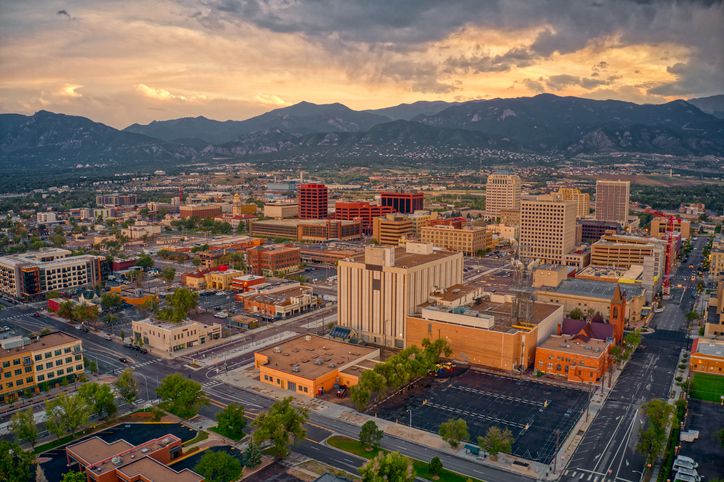
- Minimum-wage: $12.32
- Calculated full-time minimum-wage earnings (monthly): $2,135
- Median gross rent: $1,369
- Affordable monthly payment: $641
- Difference between gross rent and affordable monthly payment: ($728)
Image Credit: Jacob Boomsma / istockphoto.
7. New Jersey

- Minimum-wage: $12
- Calculated full-time minimum-wage earnings (monthly): $2,080
- Median gross rent: $1,376
- Affordable monthly payment: $624
- Difference between gross rent and affordable monthly payment: ($752)
Image Credit: aimintang.
6. Virginia

- Minimum-wage: $9.50
- Calculated full-time minimum-wage earnings (monthly): $1,647
- Median gross rent: $1,254
- Affordable monthly payment: $494
- Difference between gross rent and affordable monthly payment: ($760)
Image Credit: DenisTangneyJr.
5. New Hampshire

- Minimum-wage: $7.25
- Calculated full-time minimum-wage earnings (monthly): $1,257
- Median gross rent: $1,147
- Affordable monthly payment: $377
- Difference between gross rent and affordable monthly payment: ($770)
Image Credit: DenisTangneyJr.
4. Florida
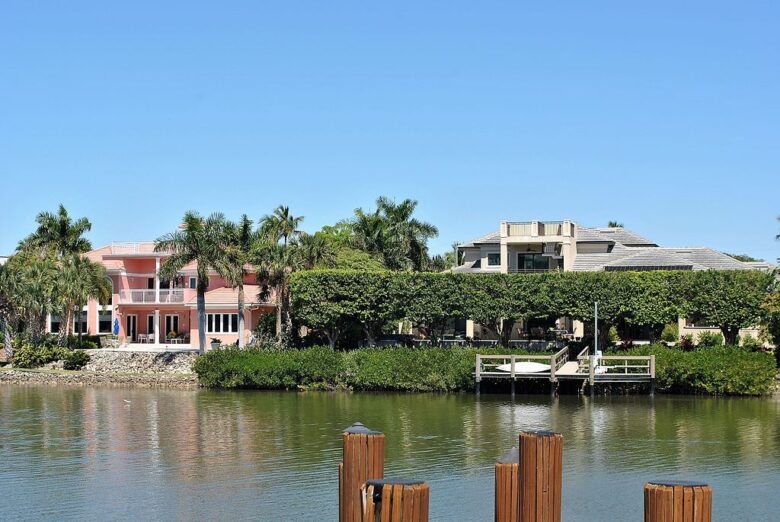
- Minimum-wage: $8.65
- Calculated full-time minimum-wage earnings (monthly): $1,499
- Median gross rent: $1,238
- Affordable monthly payment: $450
- Difference between gross rent and affordable monthly payment: ($788)
Image Credit: Elisa.rolle.
3. Maryland

- Minimum-wage: $11.75
- Calculated full-time minimum-wage earnings (monthly): $2,037
- Median gross rent: $1,401
- Affordable monthly payment: $611
- Difference between gross rent and affordable monthly payment: ($790)
Image Credit: James_Lane.
2. California

- Minimum-wage: $13
- Calculated full-time minimum-wage earnings (monthly): $2,253
- Median gross rent: $1,614
- Affordable monthly payment: $676
- Difference between gross rent and affordable monthly payment: ($938)
Image Credit: mlauffen.
1. Hawaii

- Minimum-wage: $10.10
- Calculated full-time minimum-wage earnings (monthly): $1,751
- Median gross rent: $1,651
- Affordable monthly payment: $525
- Difference between gross rent and affordable monthly payment: ($1,126)
Image Credit: Art Wager.
Would a $15-an-hour minimum wage help?

To remedy part of the financial burden placed on those earning minimum wage, some (including President Joe Biden) have called for raising the federal minimum wage to $15 an hour.
If this were to happen, then median-priced housing would remain unaffordable for minimum wage workers across most of the country. For example, by increasing the minimum wage to $15 an hour, a full-time worker could afford to spend $780 a month on housing. In only five states — West Virginia, Arkansas, South Dakota, Kentucky and Mississippi — would this be enough to comfortably afford the median monthly gross rent for the state.
That being said, even though workers would need to stretch themselves thinner, housing would still be much more affordable than it is now should the minimum wage be raised. As a result, while a $15-an-hour minimum wage would improve the current national housing affordability situation, it would nonetheless mean that minimum-wage workers in most states would struggle to find affordable housing. This is especially true given how much home and rent prices have risen in wake of the coronavirus pandemic.
Image Credit: roman dragunov / istockphoto.
4 tips for making housing more affordable

Though it may be a challenge and require some creative problem-solving skills, it’s possible to find a place to live even if you only make minimum wage. Here are four tips on how to do that:
- Consider living with family or roommates: By splitting housing costs with other people, both owning and renting can become much more affordable. For example, in Arizona, two full-time minimum wage workers who combined their incomes could afford to spend more than $1,200 a month on housing. That’s more than enough to afford the median gross rent in the state. Beyond making renting more affordable, having two incomes could also make affording a mortgage more achievable.
- Ask your employer for more money: Because many employers are struggling to fill open positions, you might be able to negotiate a higher wage than what you’re initially offered or what you’re currently making. As a result, even if you work in a minimum-wage job and don’t feel like you usually have a lot of bargaining power, asking for a raise could still pay off — literally.
- Seek out housing for people with low income: There are various programs available on both the federal and state levels designed to help low-income people find housing. For example, the U.S. Department of Housing and Urban Development can assist eligible families who can’t find an affordable home to rent. There are also several low-income home loan programs meant to make buying a house easier.
- Pay down your debt: Even if you don’t earn a high wage, having less debt each month could free up more money to spend on housing.
Related:
This article originally appeared on LendingTree.com and was syndicated by MediaFeed.org.
Image Credit: istockphoto/AntonioGuillem.