Only people who grew up in 1965 can name all of these household objects
When you grow older, you sometimes find solace in objects you saw in the past and no longer see around. Or you keep objects from days gone by, and then you understand why collectors do what they do. They don’t necessarily cling to the past. They understand the symbolic value of objects. That value isn’t in the objects themselves. It’s in what they represent.
Walter Benjamin understood this in 1931, while unpacking nearly two thousand books after a divorce. He wrote that the collector’s passion borders on the chaos of memories. Each book came out of its crate carrying a memory, and he kept them anyway.
The objects below work the same way. Each one came out in 1965, and some are still sold or kept by people who remember them. Where the dates disagree, we say so.

The Flymo had no wheels
Many buyers couldn’t picture how it worked. They bought one anyway. Americans didn’t meet it until the early 1980s, and most of them walked past it.
The idea came from a hovercraft. Karl Dahlman, a Swedish inventor, built a mower that floated a few inches above the lawn, and it won a gold medal at the Brussels Inventors’ Fair in 1964. The first sales season came in 1965, and the early models were blue and white.
Popeil’s Mince-O-Matic
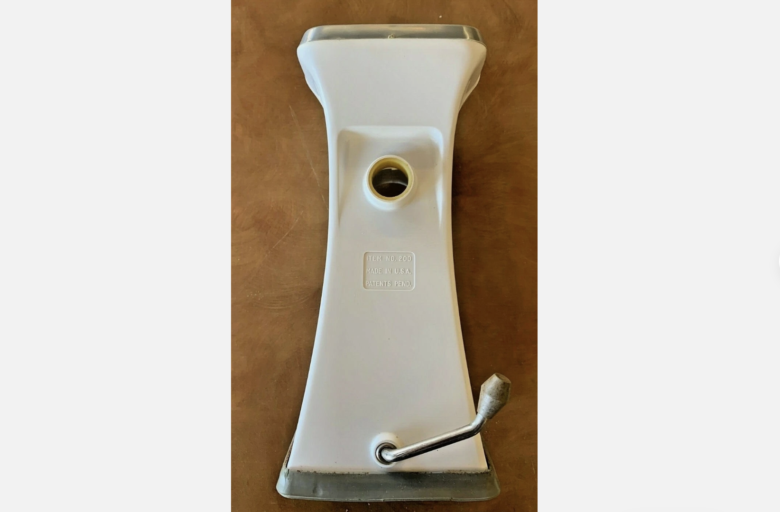
Ron Popeil could sell almost anything. The problem was his father’s Chop-O-Matic. It chopped vegetables so well that Ron couldn’t carry enough of them to demonstrate it. So he taped the demonstration, and by 1958 he was selling on television.
The family line grew to include a slicer, a drink mixer, and the Mince-O-Matic. Ron never said “It slices! It dices!” We found no source that dates the Mince-O-Matic itself. The Smithsonian does keep a Veg-O-Matic, a gadget that sold for $7.77 at a flea market.
Spirograph
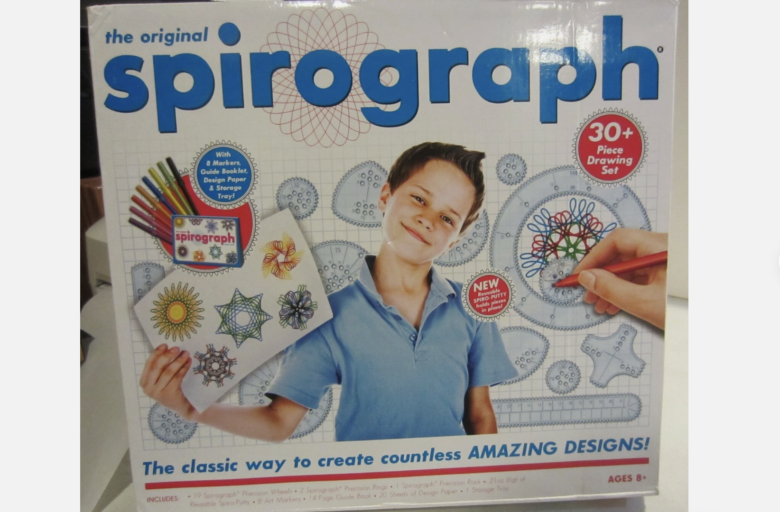
In 1962, Denys Fisher hoped to trace sine and cosine waves with interlocking gears. But no industrial buyer wanted them. His family saw a different use: a children’s toy. In 1965, he showed the kit at the Nuremberg Toy Fair. Kenner bought the American rights, and more than 5.5 million kits sold in two years. The original set came with 22 gears, an easel, and four colored markers. Those pens don’t survive. After decades of sitting, the ink coagulates.
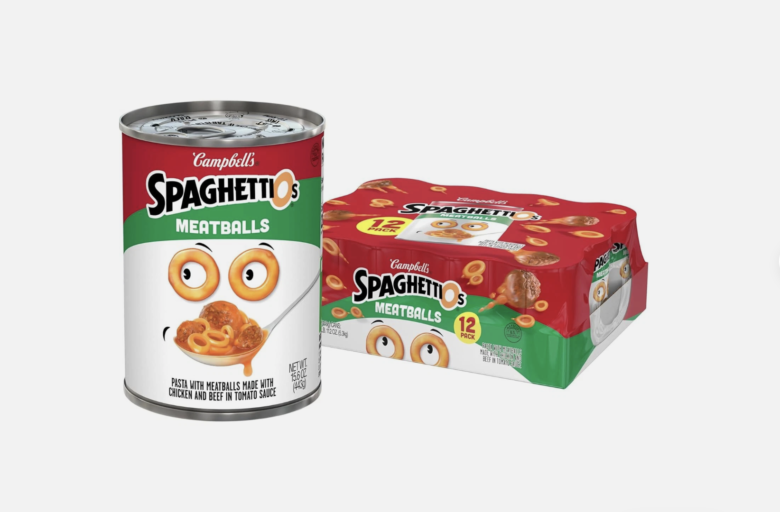
SpaghettiOs
Donald Goerke had one assignment: beat Chef Boyardee. On May 10, 1963, he proposed a pasta shaped like small rings, with two possible names. Campbell’s had already turned down a cowboy, a spaceman, and a star. The ring won. When the cans reached shelves in 1965, a mother in the first commercial called them “the greatest invention since the napkin.” Goerke said sales ran two to three times higher than he had expected, the Christian Science Monitor reported. By 1995, the company was planning a celebration in Columbus, Ohio, for a can of pasta that had lasted thirty years.
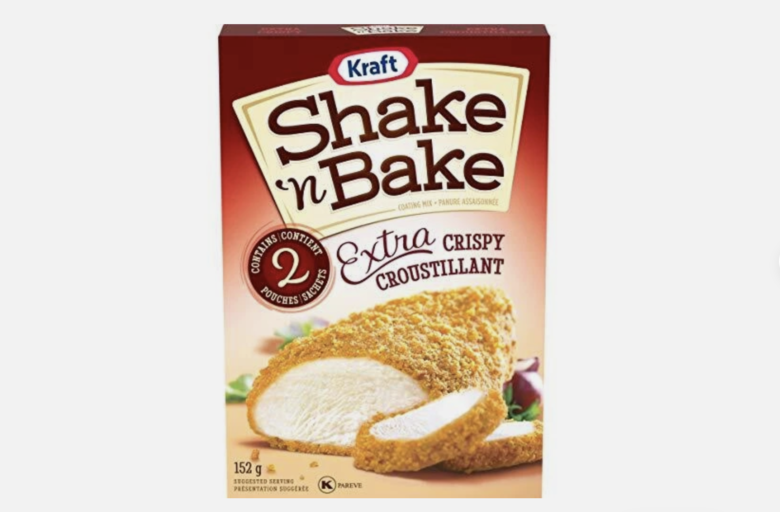
Shake ‘n Bake
You put the chicken in a bag with the seasoned crumbs, closed it, and shook it. Then you baked it. June Lockhart, the TV mom from “Lassie” and “Lost in Space,” starred in the 1965 commercial that debuted the product, the first complete coating mix for chicken and fish. Later ads put kids in the kitchen, saying the line everybody remembers: “It’s Shake ‘n Bake … and I helped!” In 1981, Ann B. Davis, who played Alice on “The Brady Bunch,” surprised a butcher in one spot.
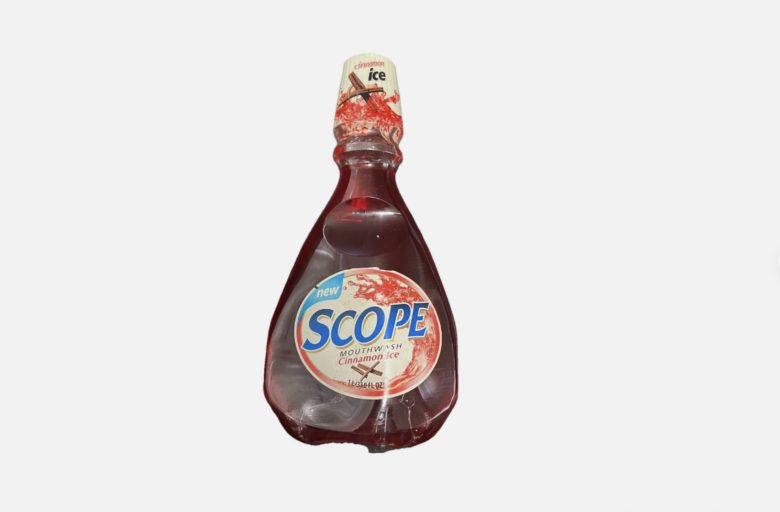
Scope
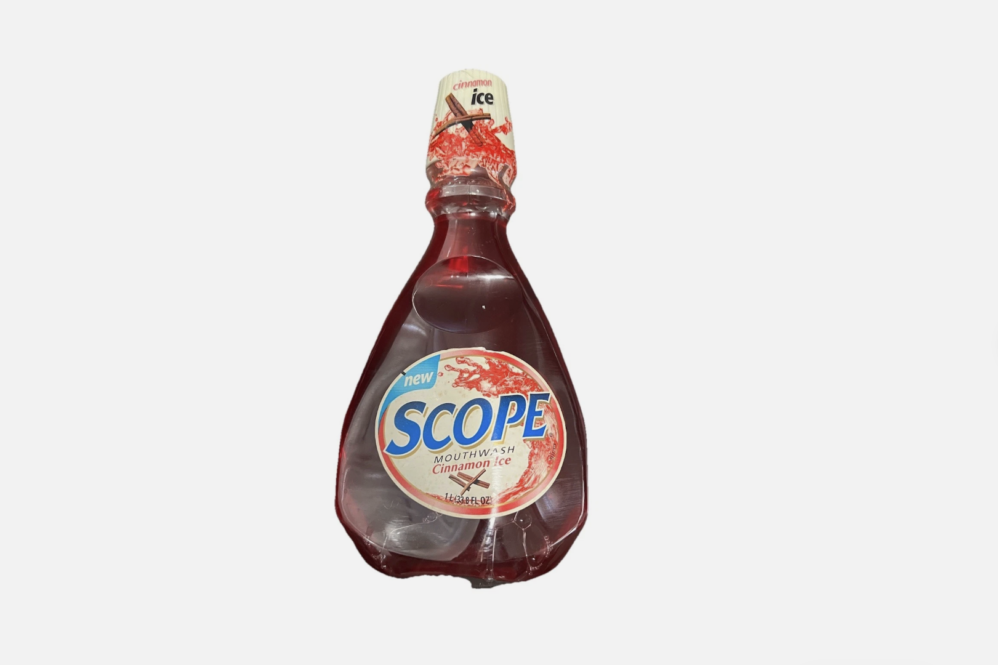
Nobody agrees on the year. A November 1965 newspaper item places Scope in stores, while Adweek dates its arrival to 1966. Before it arrived, mouthwash meant Listerine. Procter & Gamble went after the taste, and Duke University’s library keeps the commercials, transcripts included. In one, a character complains that the rival brand leaves your breath “medicinal.” The advertising itself is now part of the archive.

The bottom line
The Smithsonian keeps a Veg-O-Matic and a 1967 Spirograph set. Benjamin unpacked his books in 1931 and found that each one carried a memory.
Ask us! What questions do you have about content, strategy, pop culture, lifestyle, wellness, history or more? We may use your question in an upcoming article!
Related:
- Household rules from the ’40s that sound unbelievable now
- 8 places and discoveries where exploration has limits
Like MediaFeed’s content? Be sure to follow us.