Everyday items every household owned in 1980 that don’t exist today
Did Stranger Things become a hit because it captured the essence of the 1980s? Some people online said so, calling it the formula for success. Can a vibrant aesthetic change the Hollywood scene? Yes, attention is easy to get with neon and big hair. Keeping viewers through several seasons is harder.
Can the objects in a set make viewers bond with a show? Simon Reynolds, who wrote Retromania, argued that our fascination with the recent past has become a “dominant force in our culture.” The show’s props work the same way. CBC’s report on its prop master, Lynda Reiss, described how calculator watches and walkie-talkies take you back in time. A walkie-talkie or a wall phone isn’t only a prop. For someone who grew up with one, it’s a memory.
Some of those objects have since left most homes. Seven of them follow. For each one, what did it give us that we still miss?
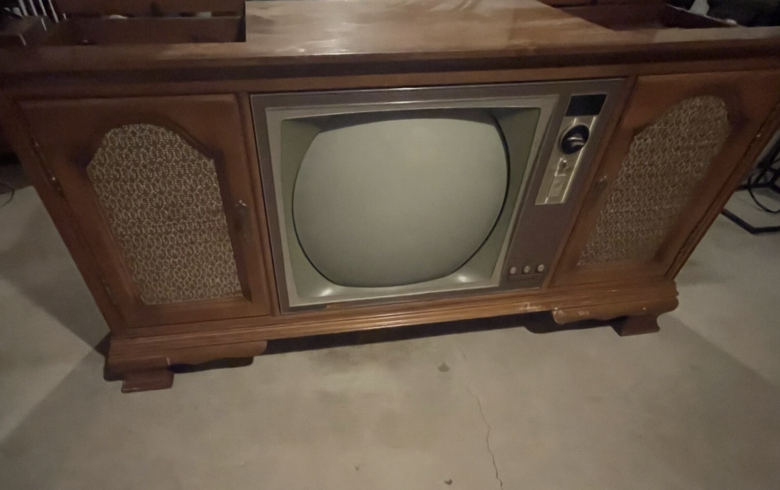
Console televisions
Remember the weight of it? A console was a wooden cabinet with built-in speakers, and it was as much furniture as television. Seven out of ten color sets in Zenith’s 1975 line were consoles. We found no 1980 ownership figure, so take “every household” with a grain of salt. Today, a set decorator building a 1983 living room needs one, and almost nobody else does.
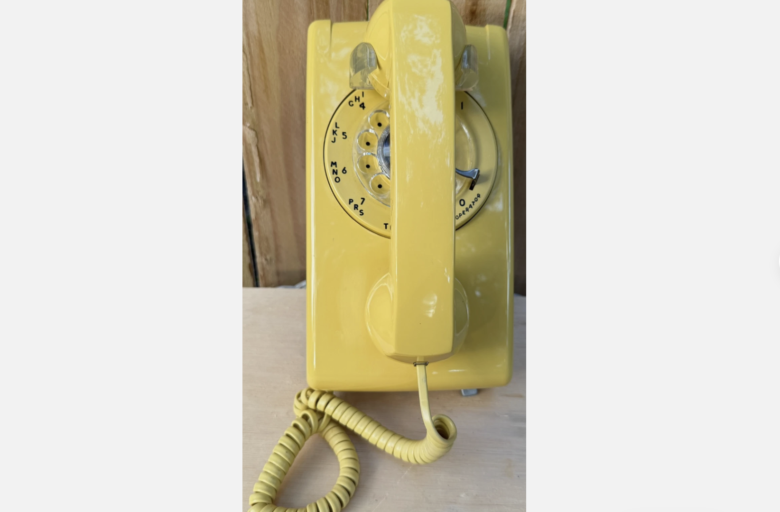
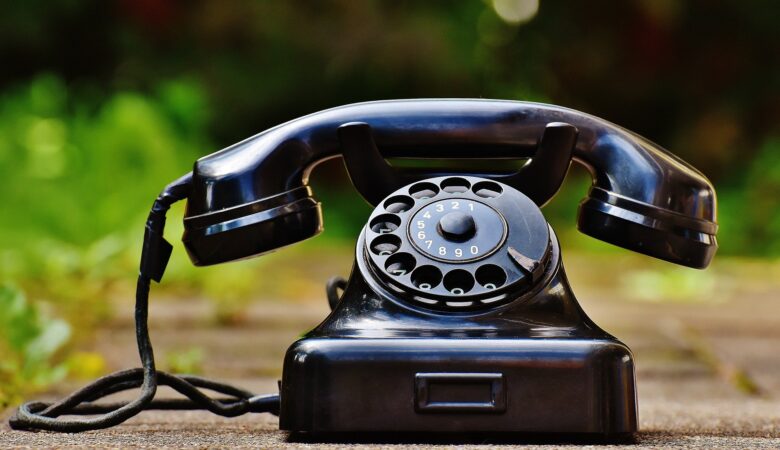
Rented wall phones
The phone on the kitchen wall wasn’t yours. Most households rented it from Bell, and about 55 million phones were still on lease in 1984, Mental Floss reports. The Henry Ford Museum keeps a 1980 Antique Gold model whose tag says the housing is yours and the working parts belong to the phone company. You owned the shell and rented the dial tone.
TV Guide and the phone book
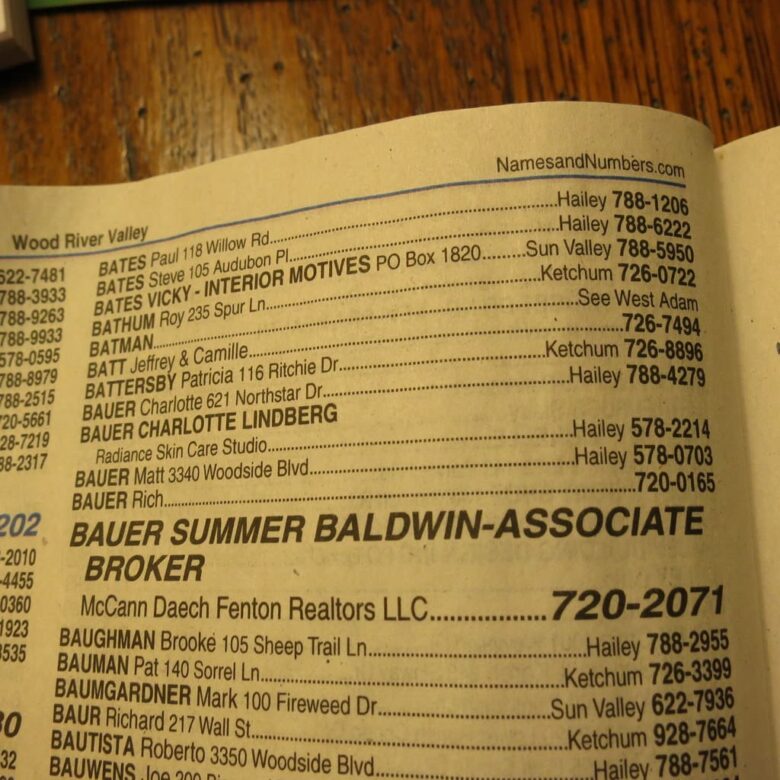
Two books ran the house, and neither asked permission. TV Guide told you what was on, and by the late 1970s it was selling about 20 million copies a week. The phone book told you who to call, and it simply arrived at the door. Choosing wasn’t really part of it.

Cassette tapes and tape racks
A mixtape took an hour to make, and the rack that held them was furniture. By 1983, with the Walkman everywhere, cassettes outsold vinyl for the first time. They aren’t gone, either. Sales have risen since 2013, and there’s a Cassette Store Day. A playlist takes nine seconds, and that’s the whole difference.
Kodak Carousel projectors
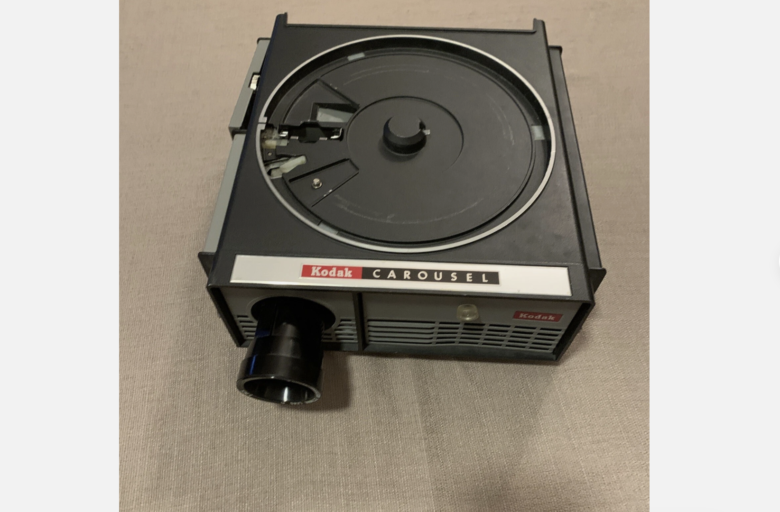
Kodak’s Carousel arrived in 1961. Its round tray held eighty slides, and the family vacation went up on a bedsheet one click at a time. When the company stopped making them in October 2004, it held a send-off in Rochester with seven separate slide shows. A Kodak veteran remembered “making those little projectors dance.” The final five went to museums.
Answering machines
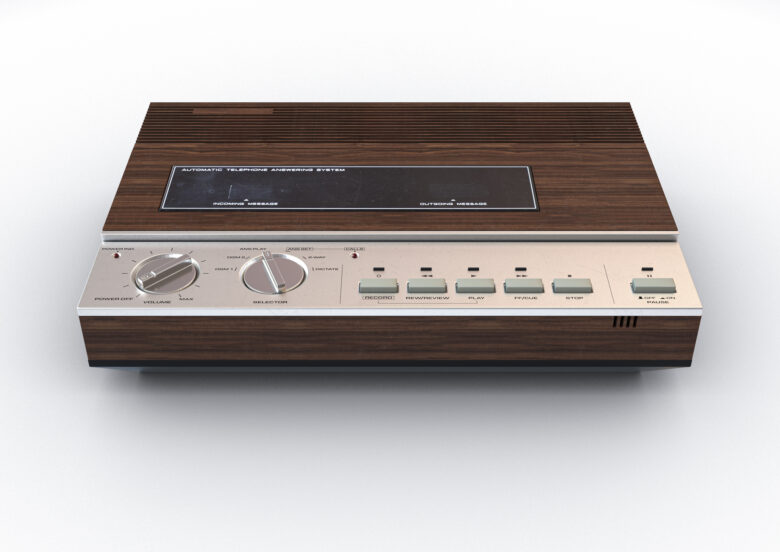
Phone-Mate’s Model 400 went on sale in 1971, so by 1980 there were plenty of machines, though not in every home. By the mid-1990s, nearly three-quarters of U.S. households had one. In 1980, a missed call was still just a missed call.
Razor blade slots
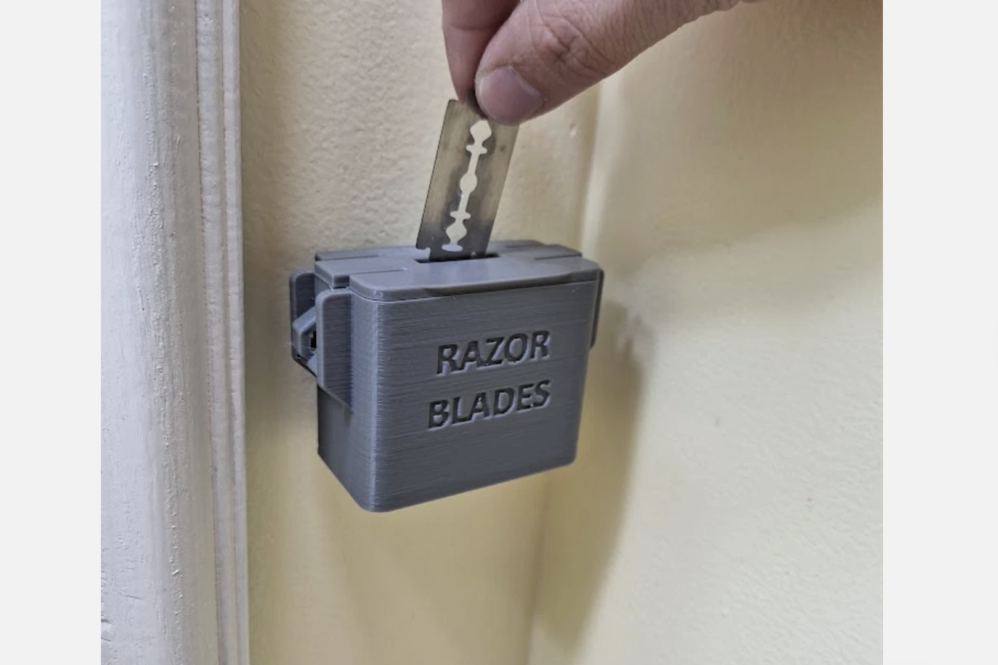
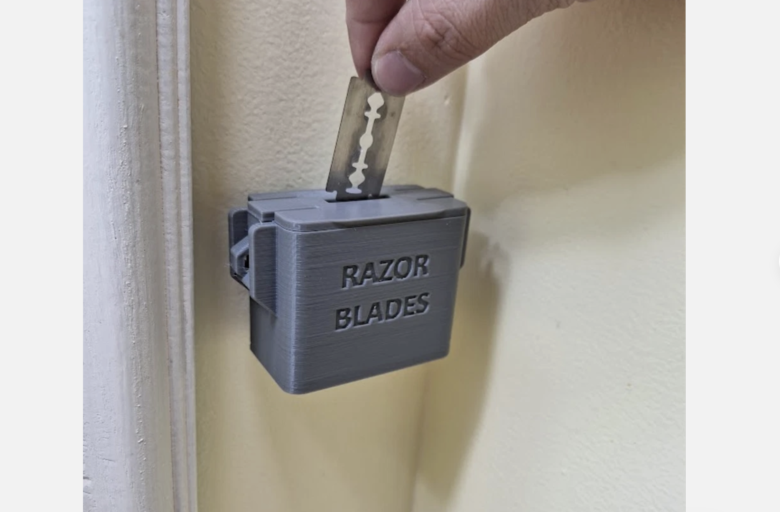
Gillette introduced the at-home double-edge razor in 1903. As medicine cabinets went into walls, manufacturers added a tiny slot at the back, and used blades dropped into the cavity and stayed there. Not every 1980 bathroom had one, since houses built from the 1970s on mostly skipped it. Open an old bathroom wall, and you’ll meet hundreds of rusty blades.
The bottom line
Kodak made about 35 million Carousel projectors and gave its final five to museums in 2004. Stranger Things is set in November 1983.
Ask us! What questions do you have about content, strategy, pop culture, lifestyle, wellness, history or more? We may use your question in an upcoming article!
Related:
- Household rules from the ’40s that sound unbelievable now
- 8 places and discoveries where exploration has limits
Like MediaFeed’s content? Be sure to follow us.