

8 places and discoveries where exploration has limits
In 1963, France closed Lascaux to the public to protect its prehistoric paintings. More than 60 years later, public access remains prohibited, although specialists still enter under strict controls, per the ministry.
Limits on exploration take different forms. Some sites allow tightly controlled research but no public visits. Others remain unexcavated because of conservation concerns, cultural protections or practical barriers.
The eight examples below explain what exploration is restricted, who controls access and why.
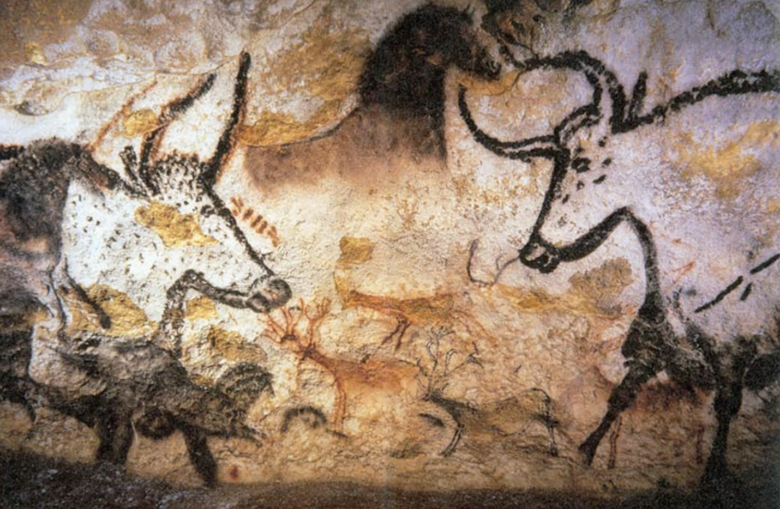
Lascaux has been closed to the public longer than it was open
It was open for about 15 years. Then algae, lichen, and mold began to grow on the walls, the Linda Hall Library notes. Efforts to remove them failed, even after visitor numbers dropped.
The original stayed closed to the public, and black mold has since appeared. Today only a handful of specialists enter, a few days a month, Confinity notes. Even scientists get limited access to monitor and stabilize the cave environment, one 2026 travel report says.
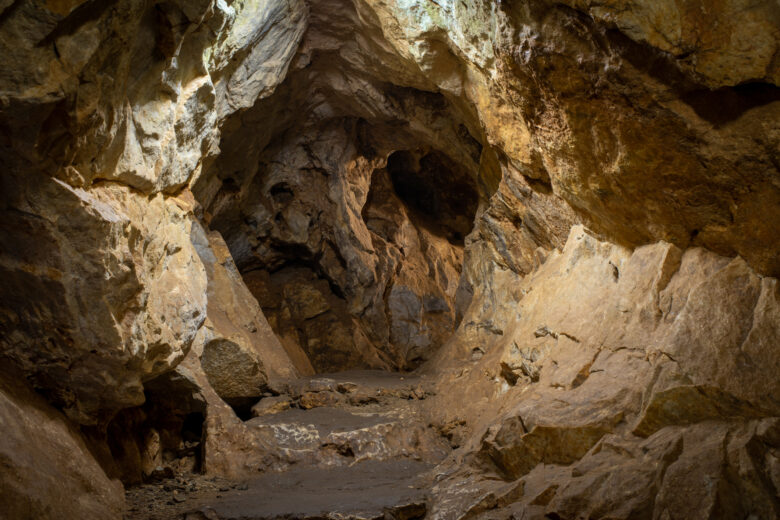
Chauvet has never opened to the public
Three cavers found it on December 18, 1994. Authorities put a steel door on the entrance at once, Smithsonian Magazine reports. Archaeologist Jean Clottes’s report on January 2, 1995 said it should never open to the public, one guide notes.
Entry is restricted to authorized visitors, including researchers and conservation staff. In 2014, 280 people entered, mostly scientists, specialists, and conservators, typically for about two hours.
Research is limited, too. In an October 2024 interview, scientific director Carole Fritz said only twelve people can enter at a time. The autumn campaign had been eliminated because carbon dioxide builds up in the second half of the year. The reason isn’t only the art: the cave’s naturally high carbon dioxide levels are dangerous to people, the CNRS reported.
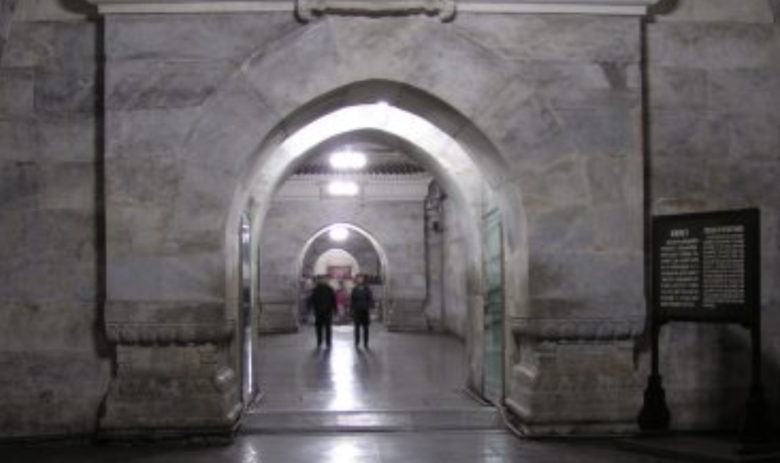
Image credit: CC BY-SA 3.0 / Louis le Grand / Wikipedia Commons
Dingling’s disastrous excavation encouraged tighter controls on imperial tomb digs
Dingling, the tomb of the Wanli Emperor, was excavated from 1956 to 1958 as a trial run for a bigger dig. It held more than 3,000 objects, Ola China reports. But the team lacked adequate techniques to protect them, and poor protection afterward damaged many, Beijing News says.
Controls followed. In 1961, the State Council told the country not to excavate imperial tombs at will. The State Bureau of Cultural Relics later pushed for rules that rulers’ tombs can’t be opened without the State Council’s permission, China Heritage Quarterly says.
A 1997 State Council notice said large imperial tombs would not be actively excavated for the time being, because the means to protect them weren’t yet available, People’s Daily reported. Rescue digs at looted or threatened tombs are handled differently, The Paper notes.
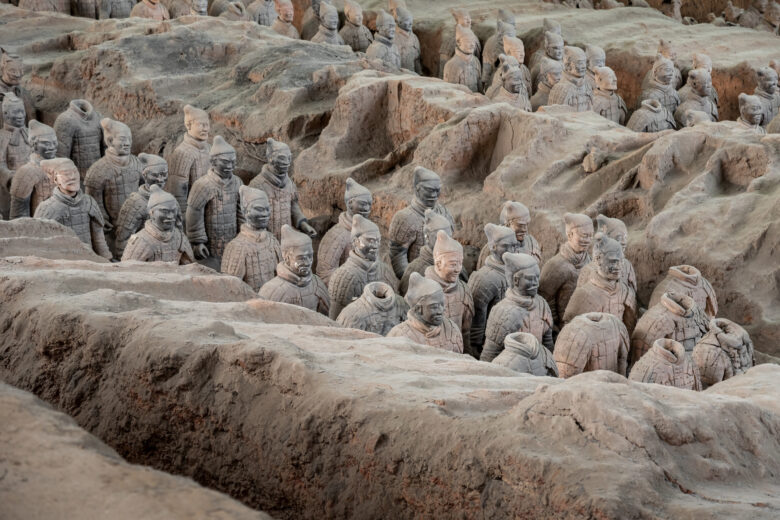
Qin Shi Huang’s burial chamber remains unexcavated
Farmers digging a well found the Terracotta Army in 1974. It forms part of a much larger mausoleum complex, but Qin Shi Huang’s central burial chamber remains unexcavated, Live Science reported.
Surveys have reported elevated mercury around the burial mound, adding to concerns about investigating the chamber. Protecting its potential contents from damage is another major obstacle. Chinese heritage policy favors noninvasive surveys over excavation, Futura-Sciences reports.
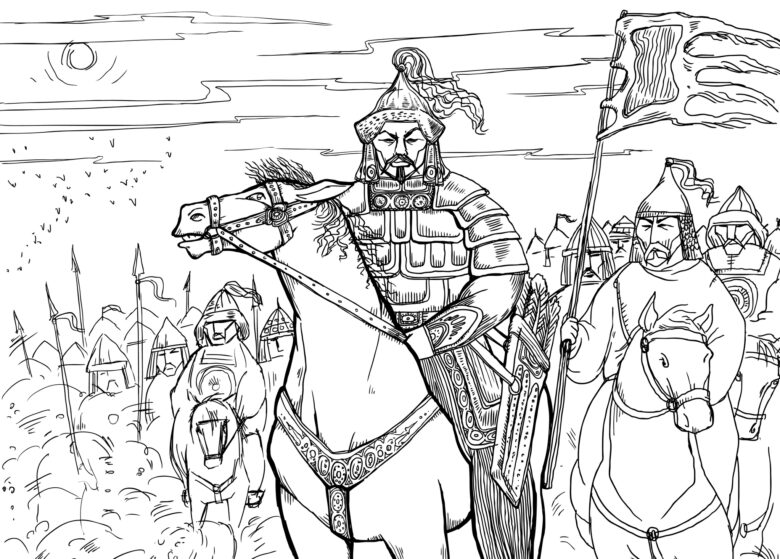
Albert Lin was allowed to look but wasn’t allowed to dig
Genghis Khan’s burial place is unknown. Many believe it lies near Burkhan Khaldun, a sacred mountain inside a forbidden zone, National Geographic reports.
Lin’s Valley of the Khans project had the Mongolian government’s blessing, but he was forbidden to dig, per a National Geographic synopsis. Instead, he used satellites, drones, and radar. “He’s the greatest shaman who ever lived, and they don’t want his spirit disturbed,” Lin said, per its education site.
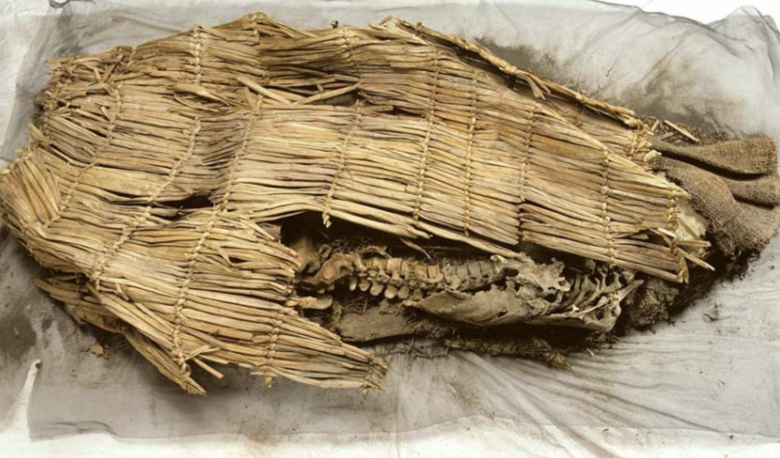
Spirit Cave’s ancestral remains were returned and reburied
The Spirit Cave remains, found in Nevada in 1940, are about 10,600 years old. The Fallon Paiute-Shoshone Tribe asked for them back in 1997. The Bureau of Land Management said no in 2000, the IUP archaeology blog notes.
A 2015 DNA study went ahead only with the tribe’s permission. Researcher Eske Willerslev promised no testing without it. DNA analysis showed that the Spirit Cave individual was genetically related to present-day Native Americans. The remains went home in 2016 and were reburied privately in 2018, ScienceDaily reported.
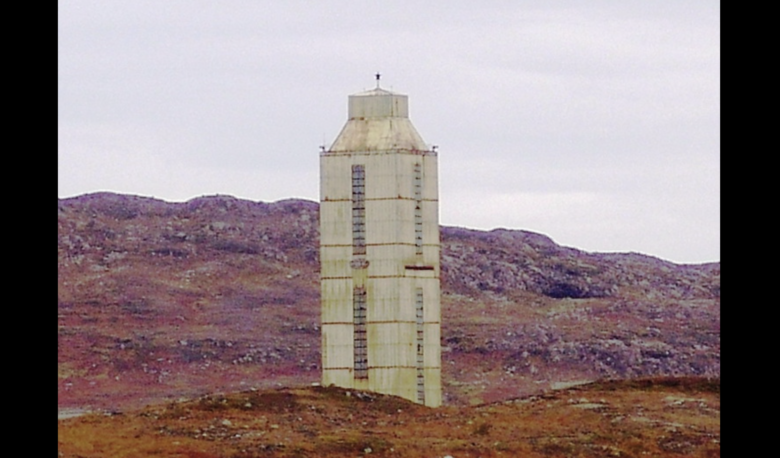
The world’s deepest borehole was abandoned and capped
Russia’s Kola Superdeep Borehole reached 12,262 meters (7.6 miles) in 1989, HowStuffWorks reports. Then the Earth pushed back. At the bottom, it was 180°C instead of the expected 100°C, Atlas Obscura notes.
The rock behaved like plastic, and the walls squeezed inward once the bit was withdrawn. Attempts to deepen the borehole stalled in the early 1990s because of extreme temperatures and technical difficulties. Funding problems after the Soviet Union’s collapse ended the project, and the site was later abandoned and the borehole capped. Accounts differ on the exact dates, Geoscopy explains.
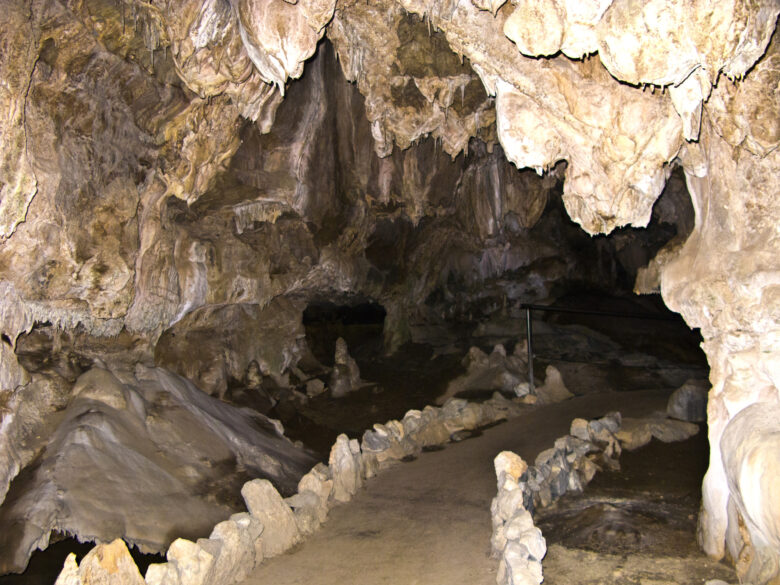
The Cave of Crystals filled with water again
Brothers Juan and Pedro Sánchez broke into it in April 2000 while drilling in a Mexican mine. Selenite crystals up to 11 or 12 meters long filled a chamber that sat at about 58°C, Travelermania reports.
It stayed dry only because the mine pumped out water. When Peñoles stopped operations in 2015, the pumps went off, and the cave reflooded, halting scientific exploration, Explorersweb notes. The cave system has never been fully explored. Exploring additional chambers would mean destroying crystals that block the way, something no one involved is willing to do. The caves could reopen if mine operations resume.
The bottom line
Lascaux has been closed since 1963. Chauvet has never been open to the public.
Ask us! What questions do you have about content, strategy, pop culture, lifestyle, wellness, history or more? We may use your question in an upcoming article!
Related:
- Archaeological finds that they still can’t fully explain
- 21 famous castles and estates from film and history
Like MediaFeed’s content? Be sure to follow us.
This article was syndicated by MediaFeed.co.