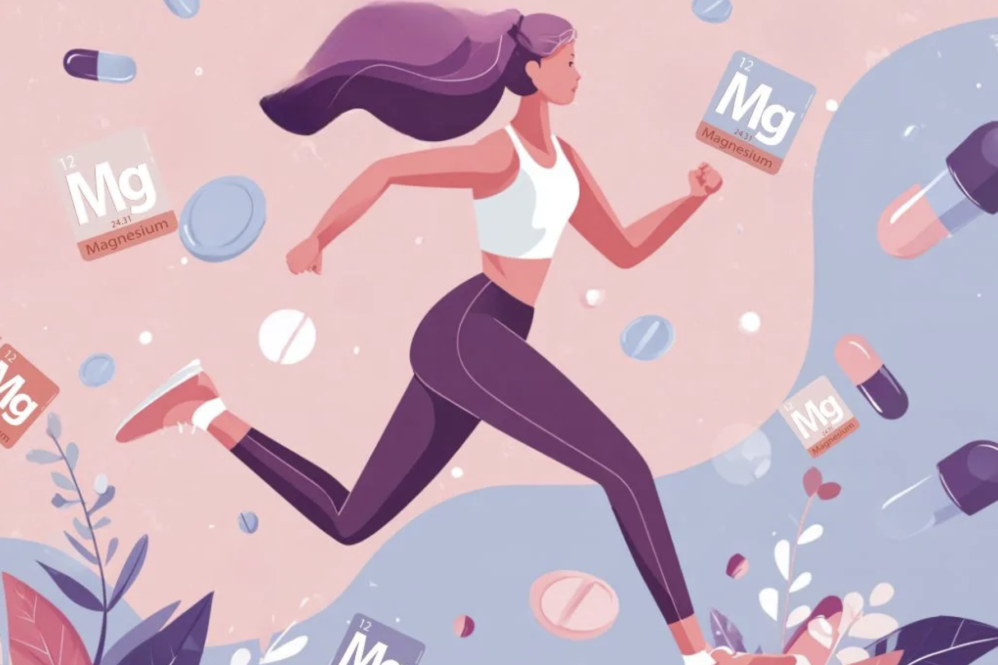
It may not have its own PR team, but magnesium is kind of a big deal—especially during menopause. From mood swings to restless nights and bone changes, research suggests this unassuming mineral may help some women ride out the hormonal rollercoaster with a little more grace—and maybe fewer 3 a.m. wake-ups.
Why Does Magnesium Matter During Menopause?
Before you roll your eyes at another “miracle mineral,” here’s the thing: Magnesium runs more than 300 biochemical processes in your body, including those commonly associated with menopause. We’re talking about vasomotor symptoms (VMS)—not so affectionately known as hot flashes—regulating hormones, supporting mood balance, promoting restful sleep, and maintaining bone health. (Related: When Your Brain Feels Offline: The Truth About Menopause Brain Fog)
But before we label magnesium as any type of magic bullet, let’s look at what the science actually says.
Hot Flashes
Hot flashes are the poster child of menopause, and while we’d like nothing more than to help our sisters chill out, the research is a little thin (and, frankly, overdue for an update). That said, some studies do suggest that magnesium supplementation may reduce the frequency and take the edge off of our personal summers.
Sleep Support
If your nightly routine involves staring at the ceiling fan like it owes you money, magnesium might be your new bedtime bestie. “[Magnesium] regulates the neurotransmitters and melatonin that impact sleep quality while also supporting GABA activity and regulating cortisol—all of which reduce stress and promote more restful sleep,” said Dr. Susan Scanlon, a physician certified in menopause management.
Translation: less tossing, more snoozing, and maybe a break from those late-night ruminations about that awkward thing you said in 2014.
Mood and Anxiety
Mood swings during menopause? Shocking. As expected, Scanlon told PROVOKED that her perimenopausal and menopausal patients often struggle with mood swings, and finding some balance may come in the form of magnesium—and the research corroborates as much. Some research suggests that magnesium supplementation can ease mild-to-moderate anxiety symptoms and smooth out those emotional highs and lows that tend to show up like in-laws—uninvited.
Heart and Bone Health
When estrogen packs her bags, you can almost bet that your bone density will hitch a ride—the internet has been around long enough, so we know this. And while calcium usually gets the gold star for bone strength, magnesium may be just as essential. Why? Because it helps convert vitamin D into its active form, ultimately allowing calcium to be absorbed properly so your body can actually use it. Without enough magnesium, your bones can’t rebuild efficiently—think of it as trying to patch drywall with wet paint.
Cardiovascular Health
And because our bodies love a good plot twist, menopause may also cause your once-healthy blood pressure to go rogue. While medication like beta blockers or diuretics is sometimes needed, Scanlon said magnesium deserves a little more credit. “Magnesium helps relax the muscles in blood vessels, ultimately supporting healthy blood pressure,” she explained. It also helps regulate your heart’s rhythm—great news for any midlifer who’s ever felt their heart suddenly auditioning for a drum solo.
The TL;DR: If you’re dealing with midlife palpitations, it’s worth asking your doctor whether magnesium—or something else—is part of the story.
The Magnesium Menu
The moment you realize that magnesium could be the game-changer you’ve been looking for, your local supplement aisle will likely scream, “Let me stop you right there.” Different forms of magnesium vary in their effects and absorption, and there are several forms. Ultimately, choosing the right one can make a big difference. Here’s a quick decode:
Magnesium Citrate
Great for: Constipation, general supplementation
Known for its good bioavailability, magnesium citrate has a gentle laxative effect, which can be helpful if your digestion has slowed down (common with advancing age) or if you have constipation, a common issue during menopause.
Magnesium Glycinate
Great for: Sleep, mood, anxiety, muscle relaxation
Gentle on the stomach and easily absorbed, magnesium glycinate is the all-star among magnesium supplements—great for the things that take the biggest hits during menopause: sleep, relaxation, and mood.
Magnesium Oxide
Great for: Occasional constipation
Inexpensive but poorly absorbed, this one’s best for short-term digestive relief—not long-term use.
Magnesium Threonate
Great for: Brain health, memory, focus
Able to cross the blood-brain barrier, magnesium threonate may boost cognitive function, mood, and sleep quality. Pricier than others, but worth the splurge if brain fog and sleep are your main concerns.
Magnesium Malate
Great for: Energy, fatigue
Supports energy production and may ease fatigue or “brain fog”—ideal if you’re running on empty, no matter how much you rest.
Those who prefer a food-first approach may want to stock up on:
- Almonds, cashews, and pumpkin seeds
- Spinach, kale, and Swiss chard
- Whole grains
- Milk
- Black beans and lentils
- Dark chocolate (yes, you read that right)
- Avocados and bananas
Just keep in mind that everyone’s menopausal experience is different, so the ideal form of magnesium will depend on your symptoms. That said, Scanlon said that chelated magnesium in the form of magnesium glycinate is her favorite. “It’s well absorbed, gentle on the stomach, and beneficial for sleep, heart health, and bone health.”
Check, check, and check.
Signs You Might Be Low in Magnesium
Quick gut check: If you’re dealing with any of the following symptoms, it might be time to speak with your healthcare provider to test your magnesium levels—or at least consider supplementation.
- Muscle cramps or twitching
- Nausea
- Constipation
- Trouble sleeping
- Fatigue or weakness
- Anxiety or mood swings
- Headaches or migraines
- Irregular heartbeat
Want more? Get PROVOKED’s free Thursday newsletter. Sign up at PROVOKEDMagazine.com.
How Much Is Enough?
One caveat: More isn’t always better. While individual needs may vary depending on diet, stress, and health status, the recommended dietary allowance (RDA) for adult women is about 320 mg per day. Because magnesium can interact with certain medications (including some antibiotics, diuretics, proton pump inhibitors, and osteoporosis drugs), check with your health care provider before starting any supplement.
Enjoyed this story? Read more from PROVOKED at provokedmagazine.com.
The Bottom Line
Here’s the thing: You don’t need another elixir that aligns your hormones with the cosmos, or therapies that bleed your bank account dry every month. What you need might just be down the street at your local Target. Magnesium might feel a little pedestrian, but it’s well studied, affordable, and may help your body chill out, sleep, and stay strong while your hormones are staging their rebellion.
Amen to that.
Related:
- The Menopause Revolution: What Orca Matriarchs Reveal About Women Over 50
- Menopause Is Having a Moment‚ So Why Are We Still So Confused?
- You’re Not Too Emotional. You’re Just Emotionally Untrained
Ask us! What questions do you have about content, strategy, pop culture, lifestyle, wellness, history or more? We may use your question in an upcoming article!
Like MediaFeed’s content? Be sure to follow us.
This article originally appeared on PROVOKED and was syndicated by MediaFeed.co.