Horror movies that were inspired by supposedly true stories
“We created this horror story over many bottles of wine.” That’s William Weber, the lawyer for the killer in the Amityville case, quoted in People magazine in 1979.
He was talking about a book. Then came the movie, and a whole genre of “true” haunted houses.
Six horror films followed, each with a line on screen or on the poster claiming it really happened. We sort what’s documented from what grew in the telling.

The Texas Chain Saw Massacre says it’s a true story
It isn’t.
The 1974 film opens with a narrator, a young John Larroquette, calling it an account of a real tragedy. Tobe Hooper later admitted the claim was intentional deception, according to JoBlo. It was marketing.
What’s real is smaller. Leatherface was inspired by Wisconsin murderer Ed Gein, per Wikipedia, and co-writer Kim Henkel drew on Elmer Wayne Henley’s role in the Houston murders, MovieWeb notes. The plot itself? Made up. The tagline did the rest, as Mental Floss put it.
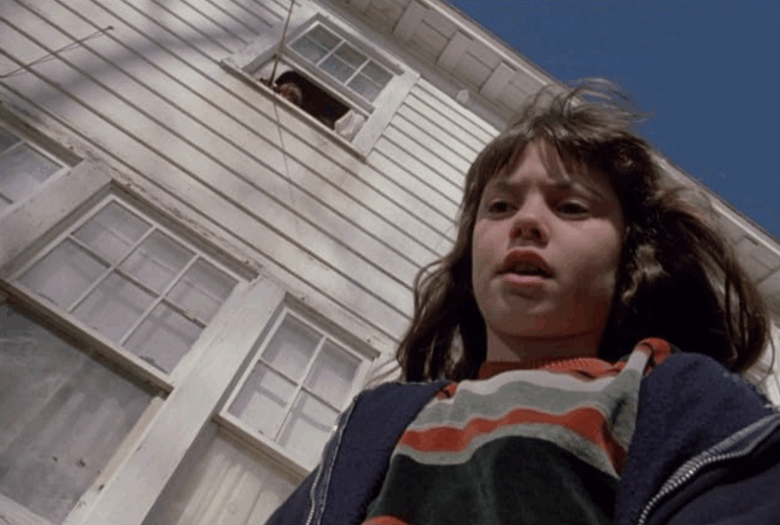
Six people really were killed at 112 Ocean Avenue
That part is documented. On November 13, 1974, Ronald DeFeo Jr. killed six members of his family in Amityville, New York.
The haunting is the disputed part. George and Kathy Lutz bought the house in December 1975 and left after 28 days. SlashFilm reported that records show no calls from the house to police. Weber, DeFeo’s lawyer, met with the Lutzes about a book deal, according to the Society for Psychical Research.
The Lutzes insisted for the rest of their lives that something happened to them. The Lutzes also sued Weber in 1977, according to Wikipedia.
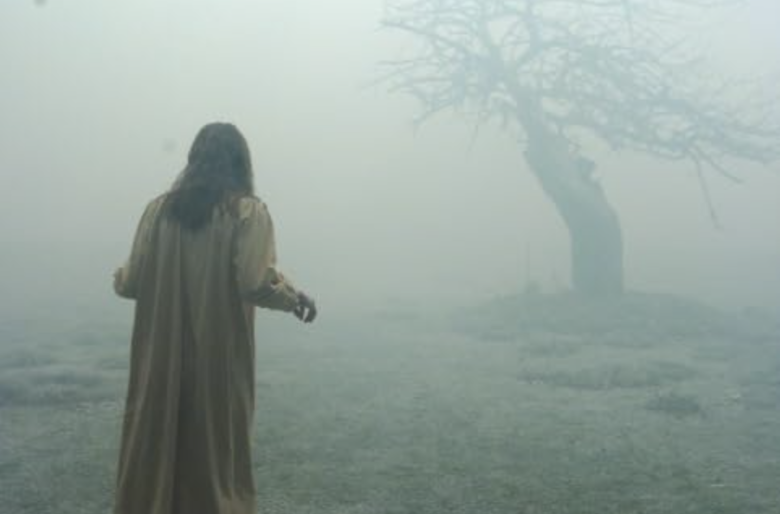
Emily Rose was a real woman named Anneliese
“The Exorcism of Emily Rose” is loosely inspired by Anneliese Michel, a German student. Over about a year, priests performed 67 exorcism rites on her, and her parents stopped consulting doctors. She died on July 1, 1976, at 23, of malnutrition and dehydration, according to Wikipedia records.
Her parents and two priests were tried. In April 1978, a court convicted all four of negligent homicide, with suspended sentences, per one account.
It’s the only film on this list built on a real death with a court verdict.
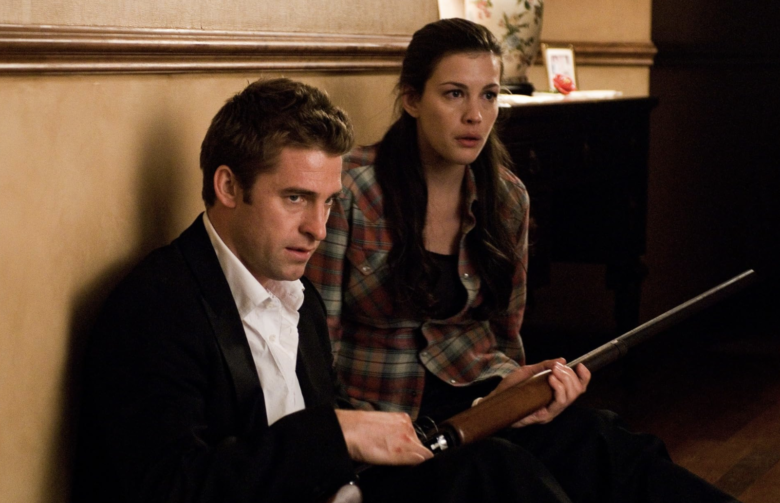
The Strangers’ “true events” were a knock at a door
The 2008 film says it was inspired by true events. The director, Bryan Bertino, says so too. But the events he means are small.
As a child, he and his sister were home alone when a woman knocked and asked for someone who didn’t live there. Later, he learned that, according to the film’s production notes, someone broke into empty houses in the neighborhood that night.
He also cited the Manson murders. The 1981 Keddie cabin murders are often linked to the film, though Bertino didn’t cite them, Wikipedia notes. He’s called the “true story” label a slight misdirect.
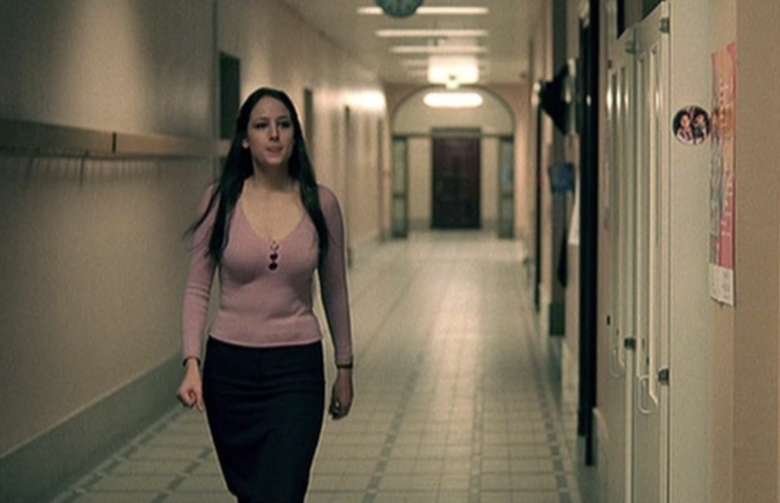
The author of the “true story” doesn’t believe it
Ray Garton wrote “In a Dark Place,” the book behind 2009’s “The Haunting in Connecticut.” Ed and Lorraine Warren hired him to tell the Snedeker family’s story. Then he started interviewing them.
“I found that the accounts of the individual Snedekers didn’t quite mesh,” Garton said, per Live Science. When he told Ed Warren, Warren said they were crazy.
The Snedekers’ landlady called the story ridiculous. Nobody before or after had reported anything odd in the house, the same piece notes.
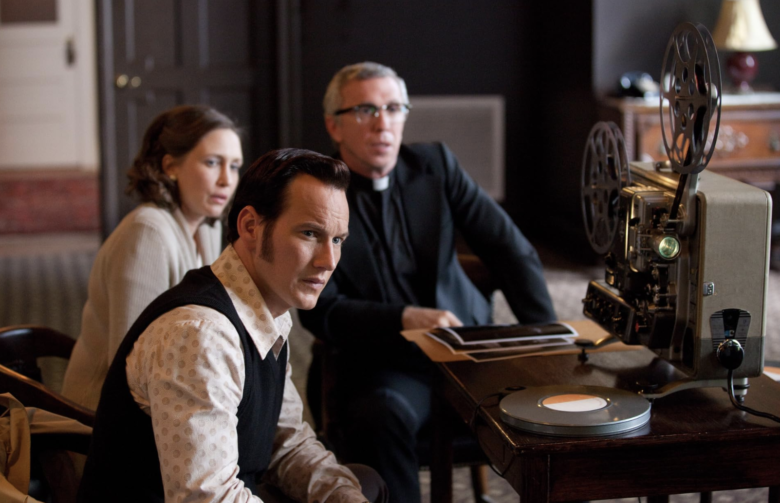
The Conjuring’s witch was a real woman
Bathsheba Sherman died on May 25, 1885, at 72, in Burrillville, Rhode Island, her local obituary said. In the 2013 film, she’s a witch who kills children.
The Perron family lived in that farmhouse, and the Warrens held a séance there around 1974. According to Andrea Perron’s memoir, the Warrens suggested the entity was named Bathsheba, the same source notes.
Andrea has since said she doesn’t think it was Bathsheba. “Bathsheba copped the blame for everything evil,” she told Global News.

The bottom line
Two of these films have court records: Anneliese Michel’s case and the Lutzes’ lawsuit over Amityville. None have a ghost on file.
Ask us! What questions do you have about content, strategy, pop culture, lifestyle, wellness, history or more? We may use your question in an upcoming article!
Related:
- Your cozy (or spooky!) Halloween movie, according to your horoscope
- Halloween hauntings at famous movie sets
Like MediaFeed’s content? Be sure to follow us.
This article was syndicated by MediaFeed.co.