
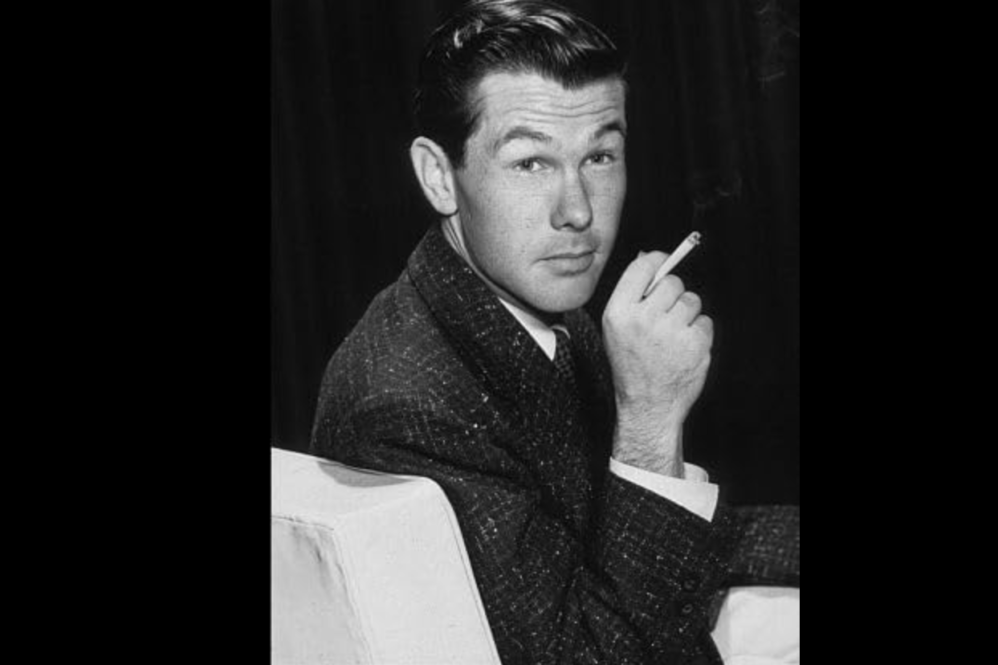
Things that were perfectly normal in the ’70s but would shock people today
On New Year’s Day 1971, ABC’s Harry Reasoner told viewers that Philip Morris had bought all the commercial time in the first half hour of every network talk show. That was the last half hour in which it was legal to sell cigarettes on American TV.
That’s the thing about the ’70s. Much of what we’d gasp at now was still legal, ordinary, and sold in stores. The case against each was being built, one person at a time.
Six things follow, each with a named person and a date. All were normal in the 1970s.
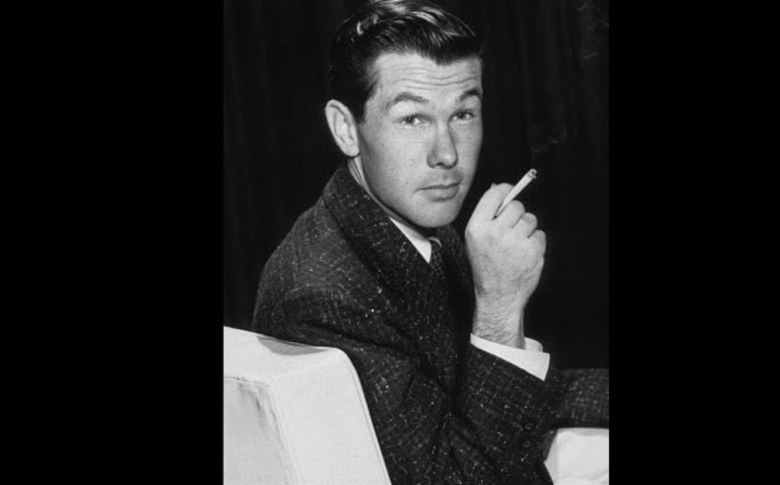
Johnny Carson’s cigarette
Johnny Carson smoked on the air, and nobody blinked. Smoke and cigarette ads filled TV. Then Nixon signed a ban on April 1, 1970, and it took effect after the New Year’s Day bowl games.
The last cigarette ad ran just before midnight on January 1, 1971, on Carson’s own show. It was for Virginia Slims and starred Veronica Hamel, later in “Hill Street Blues.” TV executives scrambled to replace 60-second spots.

The smoking section
Planes in the 1970s had smoking sections, and the smoke went wherever the air went. The Civil Aeronautics Board required separate sections in 1973.
Flight attendants, led by Patty Young, lobbied for nearly two decades to end it. The Tobacco Institute argued that up to 35 percent of airline passengers smoked. A federal ban on flights under two hours took effect in April 1988, per Forbes. All flights to and from the U.S. didn’t go smoke-free until 2000.

Under 15 percent
In the 1970s, fewer than 15 percent of kids rode in a car seat. Children rode on their parents’ laps or loose in the back, according to TIME.
Dr. Robert Sanders, a Murfreesboro, Tennessee, pediatrician known as “Dr. Seat Belt,” lobbied his state legislature, with a car seat in hand. Tennessee passed the nation’s first child restraint law in 1977, and it took effect on January 1, 1978. By 1985, every state had one.

Jarts
Lawn darts were foot-long darts with weighted metal tips, thrown across a backyard. A 1970s federal rule allowed them only if sold as adult sporting goods and kept out of the toy aisle, but it was widely ignored.
In April 1987, seven-year-old Michelle Snow died in Riverside, California, after a dart thrown by another child hit her. Her father, David Snow, lobbied for a year and a half to ban them. “My year-and-a-half struggle is now over,” he said when the CPSC acted in 1988. The agency had counted about 6,100 injuries from 1978 to 1986.

Twenty licks
James Ingraham was 14. In October 1970, at Drew Junior High in Miami, they held him down on a table and paddled him more than 20 times. He was kept out of school for days.
He sued. On April 19, 1977, the Supreme Court ruled 5–4 that the Eighth Amendment doesn’t cover school paddling. It left the question to the states. At the time, only Massachusetts and New Jersey had banned it.
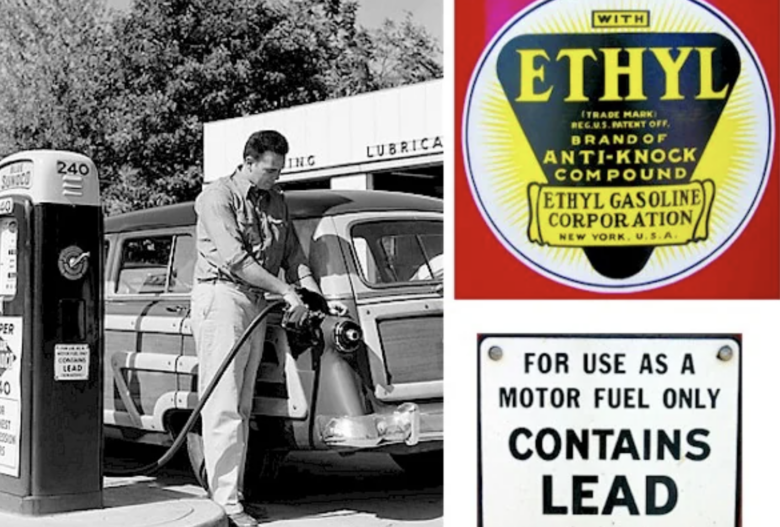
Fill it with lead
Gasoline had lead in it. Cars burned it; kids breathed it. In November 1973, the EPA ordered a 60-65 percent lead cut in all grades and said children were overexposed.
Herbert Needleman tested children’s baby teeth for lead, and his 1979 study in the New England Journal of Medicine linked low-level exposure to lower IQ and behavior problems. The government banned lead paint in homes in 1978. The EPA banned leaded gas in on-road vehicles in 1996.
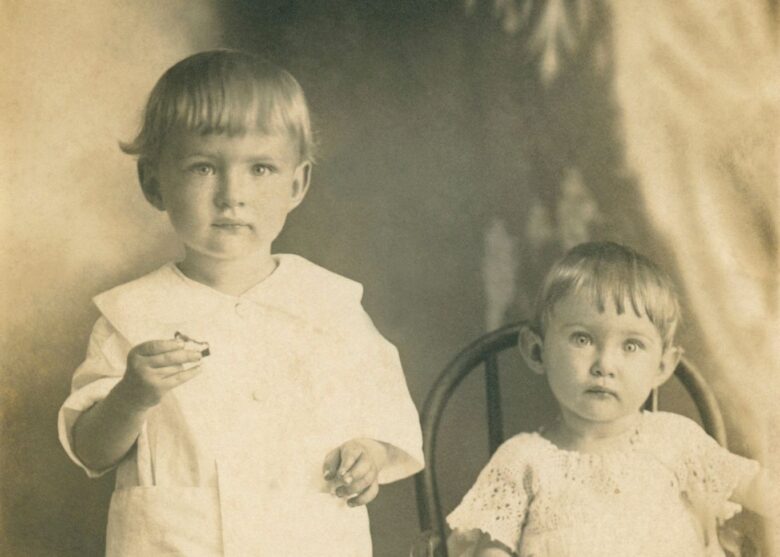
The bottom line
David Snow got his lawn dart ban a year and a half after his daughter died. Lead stayed in American on-road gasoline until 1996.
Ask us! What questions do you have about content, strategy, pop culture, lifestyle, wellness, history or more? We may use your question in an upcoming article!
Related:
- Your cozy (or spooky!) Halloween movie, according to your horoscope
- Halloween hauntings at famous movie sets
Like MediaFeed’s content? Be sure to follow us.
This article was syndicated by MediaFeed.co.