Halloween treats we still buy just because our parents always did
“Trick or treat, smell my feet, give me something good to eat.” You know the rest. You haven’t said it out loud in 30 years, and it’s still right there.
The phrase first shows up in print on November 3, 1927, in a newspaper in Blackie, Alberta. Historian Nick Rogers, who wrote a book on Halloween’s history, didn’t know about it when he wrote it. The “smell my feet” part came later. It’s in print by 1948.
Then the candy moved in. Sugar rationing slowed trick-or-treating from 1942 to 1947, and by 1952 it was firmly an American tradition. Most of what’s in the bowl was never invented for Halloween, per Quartz.
Six treats follow. Each started with a specific person, and each is still in the bag. The question is whether you buy it because you like it, or because your parents did.
Candy corn, the one nobody defends
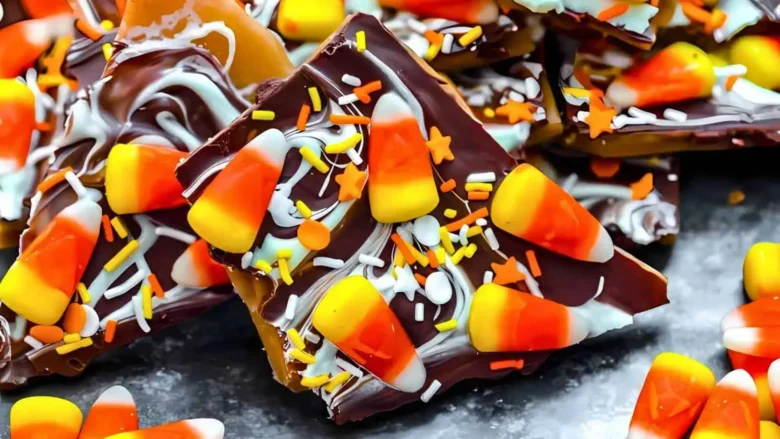
George Renninger, who worked for Philadelphia’s Wunderle Candy Company, is credited with inventing it in the 1880s. They called it “Chicken Feed.” The Goelitz Confectionery Company, now Jelly Belly, started making it in 1898.
Men called “stringers” made it by walking backward and pouring 45 pounds of warm candy into trays, three passes for three colors.
A 2013 industry survey found candy corn was America’s most divisive candy. 18 percent loved it. 28 percent hated it. And 35 million pounds still get made every year.
Reese’s, from a dairy farm
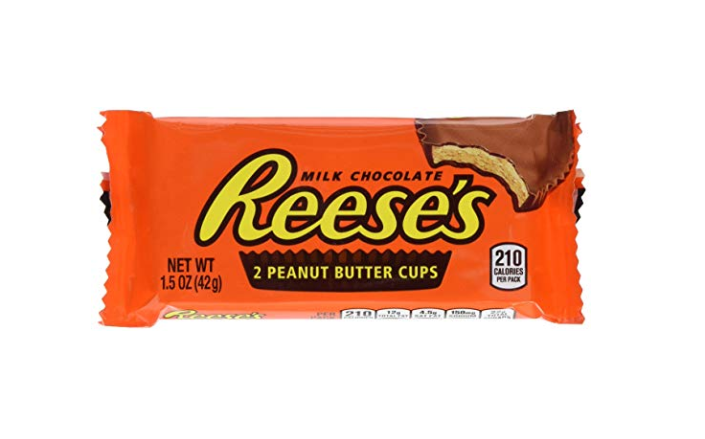
H.B. Reese managed a dairy farm for Milton Hershey, called the Round Barn, until it was shut down. So he started selling candy. In 1928, he made the first peanut butter cups in his basement. They were sold as “Penny Cups.”
Reese had 16 children to support. By 1963, his company merged with Hershey, and by 1969 the cups were Hershey’s top-selling product. They still rank as the top-selling Halloween candy in most tallies.

Tootsie Roll, named for a nickname
Leo Hirshfield, an Austrian immigrant in New York, named his chewy chocolate candy after his daughter Clara’s nickname: Tootsie. He patented the process in 1908. It was individually wrapped, and it didn’t melt in the heat.
It became part of soldiers’ rations in World War II, and the small Midgees became a fixture in penny candy bins.
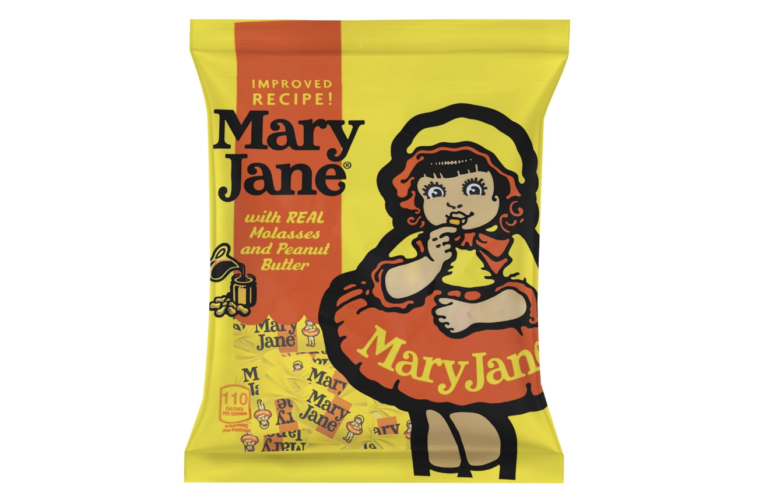
Mary Janes, the one that almost vanished
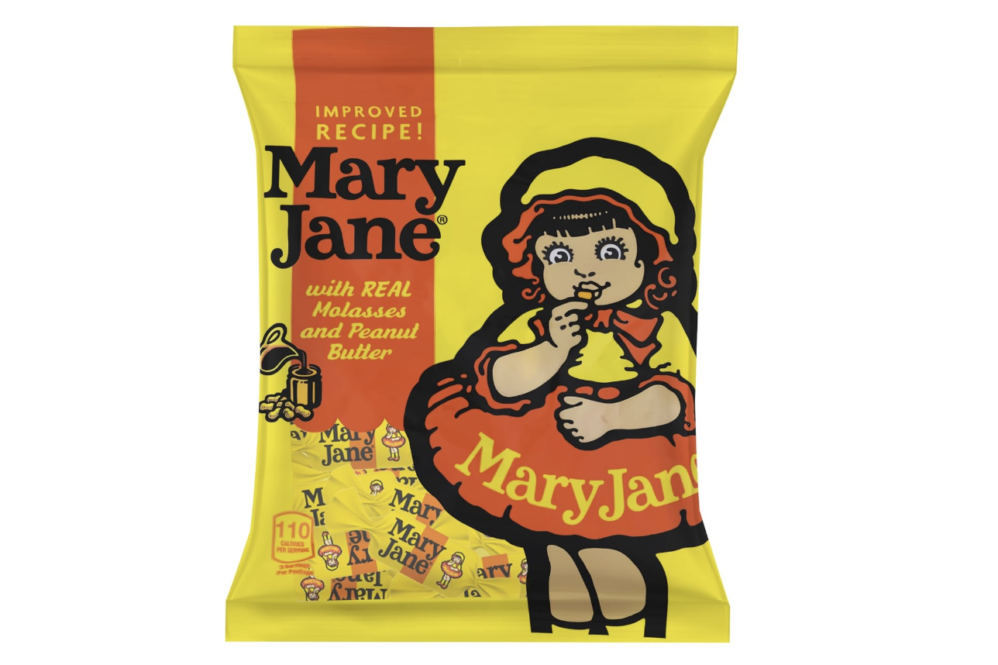
Peanut butter and molasses, in yellow wrappers. Charles N. Miller made them at his Boston candy company in 1914 and named them after an aunt.
They were famously hard on fillings. Necco owned the brand when it failed in 2018, and Mary Janes disappeared until the Atkinson Candy Company of Lufkin, Texas, started making them again.

Snickers, named for a horse
Not a snicker. A horse. Frank Mars introduced the bar in 1930 and named it after a favorite animal on the family farm.

Smarties, from England by way of New Jersey
Edward Dee, a British candy maker, moved to the U.S. in 1949 and founded Ce De Candy in New Jersey. He imported tablet-pressing machinery from England and began stamping out candy almost immediately.

The bottom line
Mary Janes vanished when Necco failed in 2018, until a Texas company restarted them. “Trick or treat” first appeared in print in 1927, in Blackie, Alberta.
Ask us! What questions do you have about content, strategy, pop culture, lifestyle, wellness, history or more? We may use your question in an upcoming article!
Related:
Like MediaFeed’s content? Be sure to follow us.
This article was syndicated by MediaFeed.co.