
TV moments no real person would likely survive
Jack Bauer is on hour 24 and still making split-second decisions.
Television has always made survival look easier than it is. Doctors on ER and Chicago Hope bring patients back at nearly double the real-world rate. A Dodge Charger sails 82 feet through the air and lands ready for the next jump. A team of mercenaries climbs out of every wreck.
Four TV moments follow, each checked against real research by doctors, sleep scientists, stunt crews, and safety statisticians.
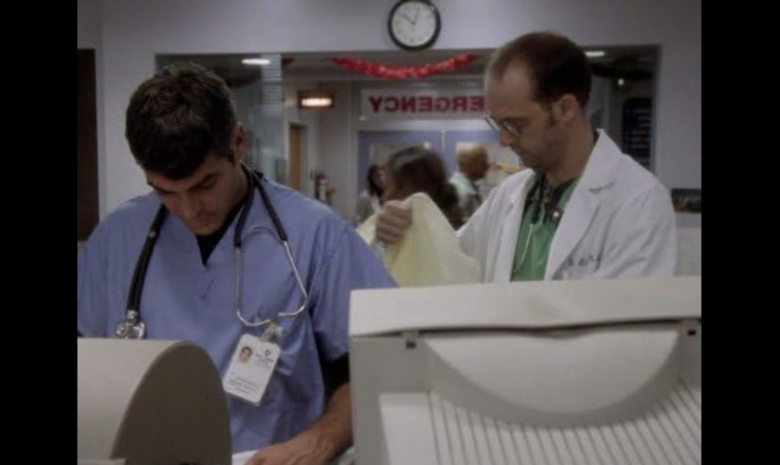
“Miracles and Misinformation”
That’s the title of a 1996 paper in the New England Journal of Medicine. Susan Diem, John Lantos, and James Tulsky watched every episode of ER and Chicago Hope from the 1994-95 season, plus 50 consecutive episodes of Rescue 911, and counted 60 CPR attempts in 97 episodes. Short-term survival on TV was 75 percent, compared with 40 percent in the medical literature, and 67 percent survived to discharge against 30. On Rescue 911, the word “miracle” came up in 10 of 18 resuscitations.
Most of the TV arrests involved trauma in children, teens, and young adults, and only 28 percent had a primary cardiac cause. Real survival to hospital discharge is closer to 10 to 15 percent. ER’s co-producer, Neal Baer, answered in print in the same issue.

24 hours awake
Kiefer Sutherland’s Jack Bauer lives one full day per season without sleep. In 2000, Ann Williamson and Anne-Marie Feyer tested 39 people, 30 transport workers and nine army personnel, comparing sleep loss with alcohol. After 17 to 19 hours awake, performance on some tests matched a blood alcohol level of 0.05. NIOSH summarizes the research this way: 17 hours awake is similar to 0.05, and 24 hours is similar to 0.10, above the U.S. legal driving limit.
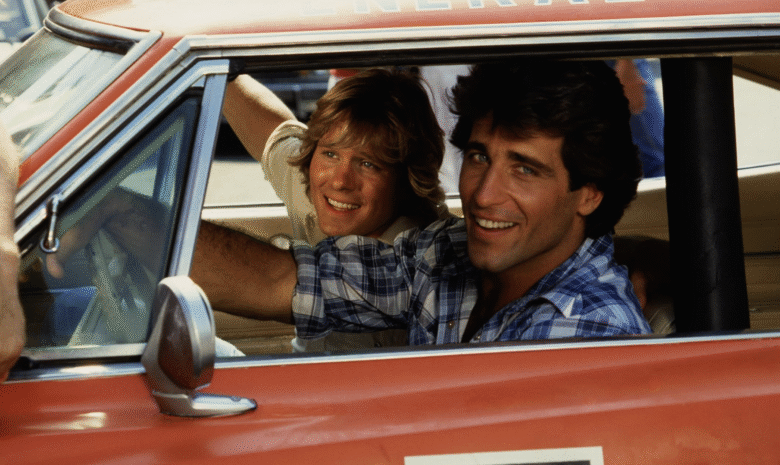
The General Lee needed up to 1,000 pounds of concrete in the trunk
Tom Wopat and John Schneider did their own fight scenes and a little driving, but stunt drivers handled every jump. To keep the nose from dropping, crews loaded 500 to 1,000 pounds of sandbags or concrete into the trunk, and the second-unit cars carried full roll cages. Each big jump practically ruined the car, ripping the engine mounts and bending the frame, and over 300 Chargers were destroyed across 147 episodes. The highest jump was about 16 feet up and 82 feet long.
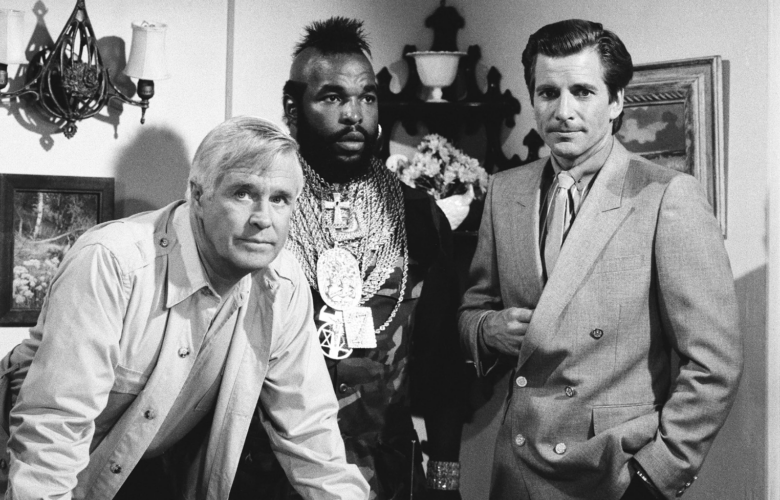
Why did nobody on The A-Team ever stay down?
Because the script wouldn’t let them. Frank Lupo and Stephen J. Cannell created the show, and Cannell has said George Peppard predicted a hit “before we ever turned on a camera.” It became emblematic of fit-for-TV warfare, with ferocious combat in which the participants are never killed and rarely seriously injured. Real vehicles are less forgiving: rollovers accounted for 28 percent of passenger vehicle occupant deaths in 2023.
The bottom line
In each of these, someone other than the hero did the surviving: a writer, a stunt crew, a pile of concrete. Real life doesn’t come with any of them.
Ask us! What questions do you have about content, strategy, pop culture, lifestyle, wellness, history or more? We may use your question in an upcoming article!
Related:
- 10 slang words from the ’70s that need to make a comeback ASAP
- Some of the most surprising record deals in music history
Like MediaFeed’s content? Be sure to follow us.
This article was syndicated by MediaFeed.co.