How many classic TV shows can you identify from one unforgettable line?
The strange thing about a great TV line is how long it travels without the show attached. People who have never seen an episode will use the phrase. People who watched every season will misquote it slightly, and no one will notice. The eight below have been doing exactly that for decades (circulating without attribution, turning up in conversations where nobody remembers where they started).
Eight shows. Eight lines. No hints.
How it works
Each question gives a line of dialogue from a classic television show. No character names. No episode titles. Just the words. Some questions give you the line directly. Others set the scene. Read carefully and see how many you can place before the answers.

Question 1
A man who expects catastrophe and has the vocabulary to announce it. His first words upon entering almost any room: “What fresh hell awaits!”
Answer 1
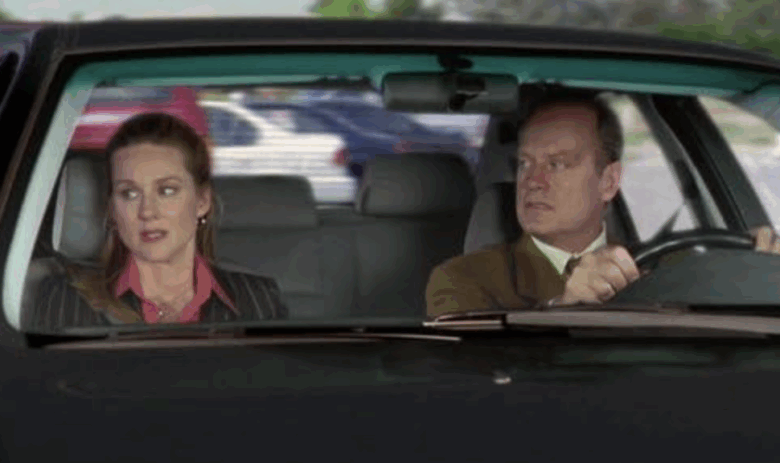
The line belongs to Frasier Crane. Eleven seasons on NBC, five consecutive Emmys for Outstanding Comedy Series, and a character whose primary dramatic engine was the collision between enormous self-regard and constant, specific humiliation. IMDB’s quote archive for the show runs long. This one earned its place near the top. It works because it tells you everything about him before anything has happened yet.

Question 2
“We were on a break!”
Answer 2
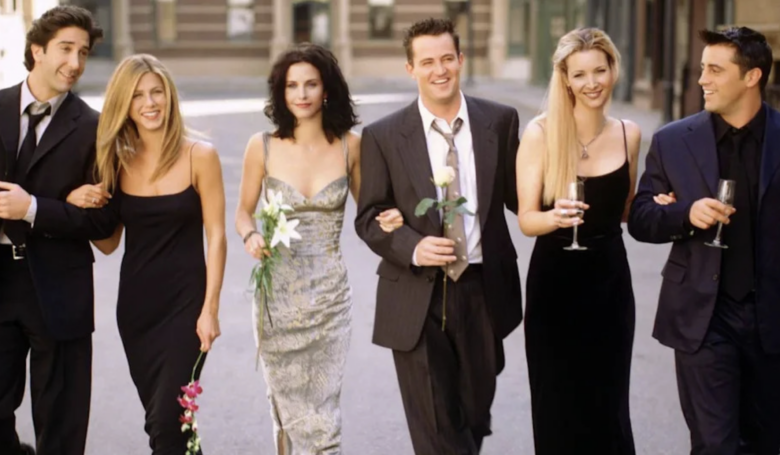
You probably got this one before finishing the sentence. Friends. Ross Geller. Season 3, Episode 15 is where the break happened, and from there the phrase returned throughout the series in arguments, in jokes, and eventually in the delivery of a plane-seat stranger who had apparently been following the whole thing. The show never formally settled whether the break permitted what followed. Probably wise. Half the audience had strong opinions either way.

Question 3
Guess it: New York doctor. Remote Alaska. Contractually obligated to be there. Did not take it well, at least initially.
Answer 3
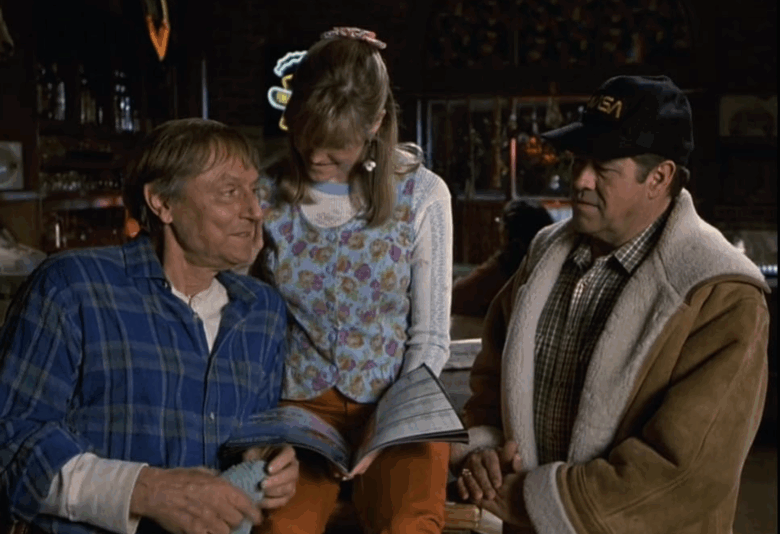
Northern Exposure. CBS, 1990 to 1995. The premise was simple on paper: a physician whose medical school tuition was funded by the state of Alaska finds himself sent to a town of fewer than 900 people instead of the Anchorage hospital he expected. In practice, the show kept finding ways to be stranger and more interesting than the setup suggested. It won the Primetime Emmy for Outstanding Drama Series in 1992. The moose in the opening credits became shorthand for the whole thing.

Question 4
True or false: Mr. T said “I pity the fool” as B.A. Baracus on The A-Team.
Answer 4
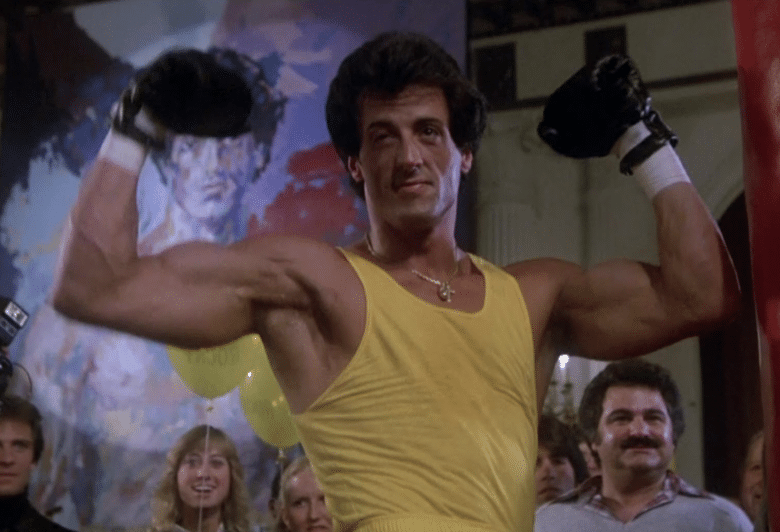
False. Verified. A CBR writer watched every episode of the series to confirm it. The phrase originated in Rocky III, where Mr. T played Clubber Lang, not on the television show it is almost universally associated with. B.A. Baracus’s actual recurring lines leaned toward “fool” as a general insult and “I ain’t getting on no plane.” Close, but not the catchphrase. One of the more persistent misattributions in pop culture history.

Question 5
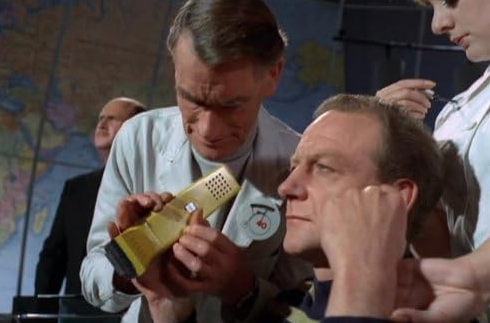
“I am not a number! I am a free man!”
Answer 5
Seventeen episodes. 1967 to 1968. British. Surreal. Wikipedia describes the show as featuring a resigned intelligence agent held in a cheerful seaside village where everyone has a number instead of a name, and where nothing is ever quite what it seems. The Prisoner. Patrick McGoohan said this in the opening of the show, and the Village answered it with laughter every time, which was part of the point. Its influence on later television (Lost, The Truman Show, most British spy dramas made in the following thirty years) was substantial and rarely credited.

Question 6
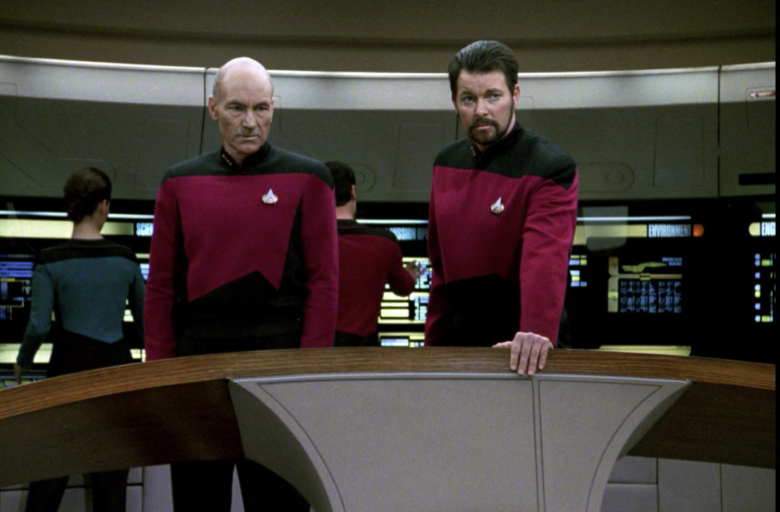
What did Dr. McCoy often say that eventually became a programming joke, a drinking-game cue, and DeForest Kelley’s least favorite thing to be recognized for?
Answer 6
“He’s dead, Jim.” Star Trek. The original series. Kelley reportedly joked that the phrase would end up on his headstone, and he wasn’t entirely comfortable with how often it came up at fan conventions. McCoy said it six times across the run of the show. The phrase outlasted him. It outlasted the series. Now it’s used to describe dead batteries, crashed software, and houseplants that didn’t survive the winter.

Question 7
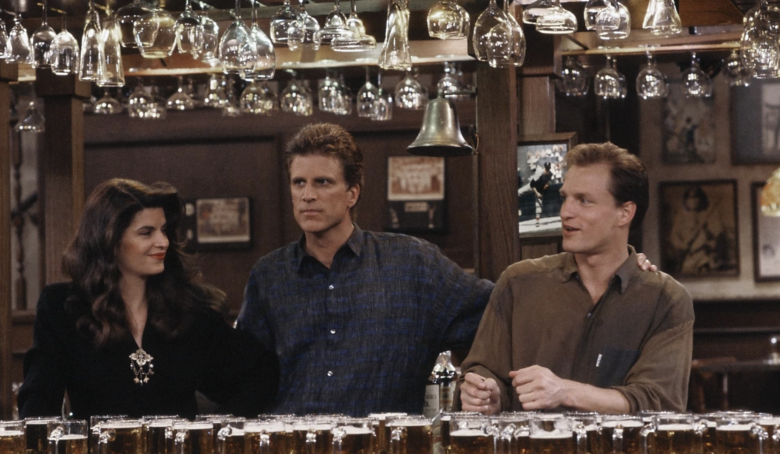
“Norm!”
Answer 7
The show in question is Cheers. Every time he walked in, the same thing happened. Same word. Same volume. Same warmth, every single time. The bar shout became so famous that the show’s writers said it grew harder to write with each passing season (the audience expected so much from ten seconds of television). George Wendt played Norm Peterson in all 275 episodes and passed away in May 2025. His character’s full name was Hilary Norman Peterson. Almost nobody knew that during the show’s run. Almost nobody knows it now.

Question 8
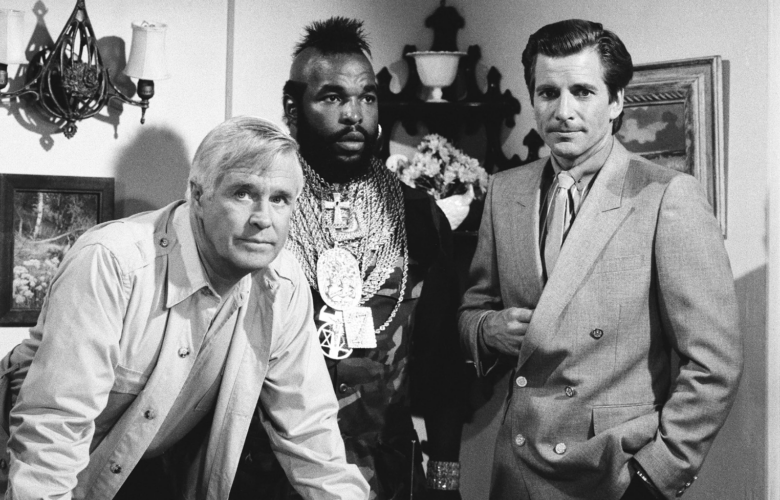
“I love it when a plan comes together.”
Answer 8
Hannibal Smith said it at the end of nearly every episode of The A-Team, usually with a cigar and a grin, usually after something had gone sideways and then been improvised back into something resembling success. Five seasons, 1983 to 1987. The satisfaction in George Peppard’s delivery was the entire joke — he was genuinely pleased every time, as if the plan coming together was a surprise rather than the inevitable conclusion of a show that never really endangered anyone. It worked anyway.

Final score
8 out of 8: You either grew up watching a lot of television or you have been to enough pub quizzes. Either way.
5 to 7: The Prisoner question is the one that separates people. If you got that one, you get partial credit for the ones you missed.
3 to 4: The true/false caught most people. That one was a trap and it was supposed to be.
Below 3: The Frasier line was genuinely hard. Almost no one gets it cold.
Ask us! What questions do you have about content, strategy, pop culture, lifestyle, wellness, history or more? We may use your question in an upcoming article!
Related:
- 10 feel-good movies to watch when you need a break
- The most controversial songs of the ’60s: Do you agree?
Like MediaFeed’s content? Be sure to follow us.
This article was syndicated by MediaFeed.co.