
Surprising signs your pet is smarter than you think
Measuring animal intelligence is trickier than it sounds. Most tests reward the kind of thinking humans are naturally good at, not the kind a dog or cat actually relies on day-to-day. Even with that bias, cats and dogs keep clearing cognitive benchmarks most owners never realized were being tested.
Here are a few indicators that your pet is smarter than you thought.
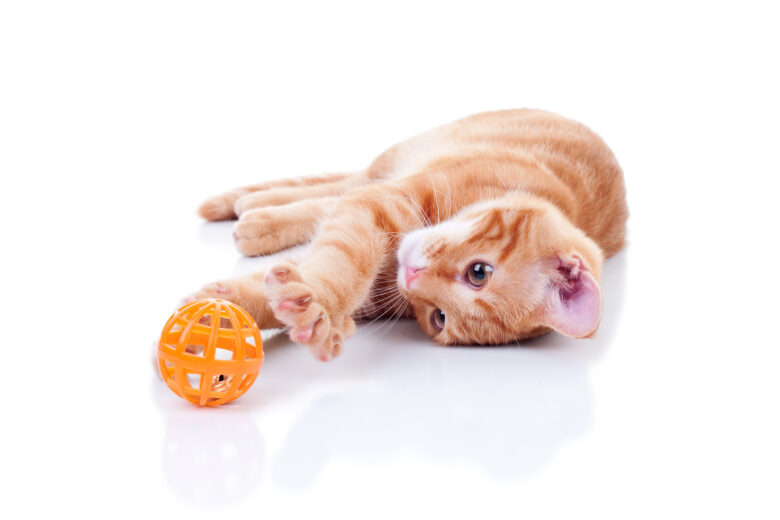
A hidden object doesn’t stop existing, and your pet already knows that
Object permanence is a genuine milestone in human infant development, and both cats and dogs reliably pass versions of the test. Cats in particular perform strongly on visible displacement tasks, and researchers have found older cats actually get better at solving them with age, not worse.

Your dog is cross-checking your face against your tone
Researchers showed dogs photos of happy or angry faces, human and canine both, while playing a vocal tone that either matched or didn’t. Dogs stared longer at whichever photo matched the sound. Two separate emotional signals, compared against each other, in real time.

Faced with an unsolvable puzzle, plenty of dogs stop and ask for help instead of spinning their wheels
They pause. They look directly at a nearby person. Researchers read this as an actual request for assistance, not simple frustration boiling over.
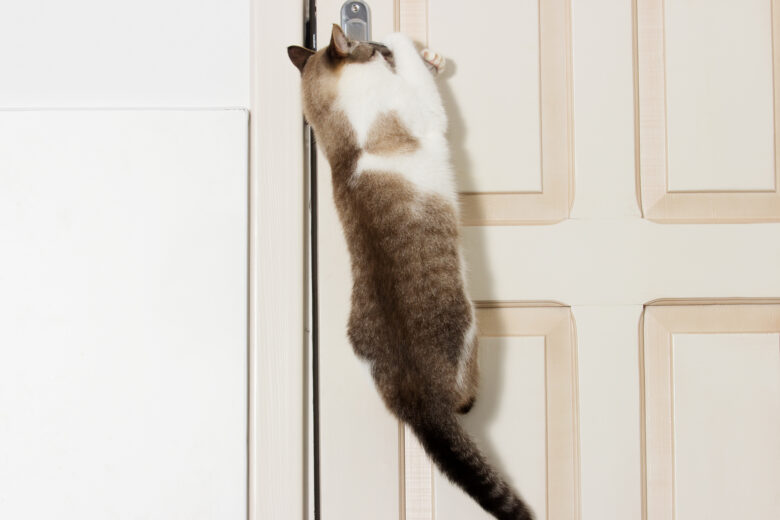
Cats can navigate toward something they can’t currently see
Given a target hidden behind an opaque barrier, reachable only by detouring around a transparent panel, cats solved it at a high success rate once the test was actually designed around how cats approach problems instead of how humans assume they should.

Your pet can learn a new trick just by watching someone else do it first
No trial and error required. Dogs have demonstrated the ability to watch another dog, or a person, complete an unfamiliar task, then reproduce it themselves without making a single mistake trial and error usually demands.
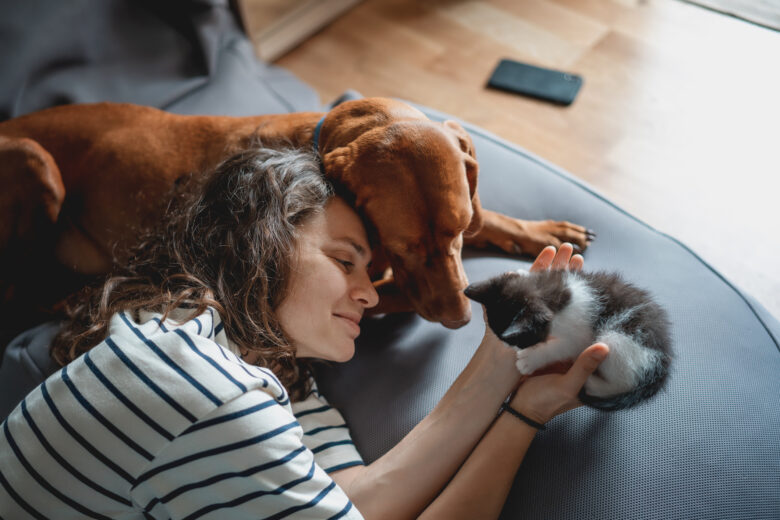
Your dog notices you’re struggling before you’ve said anything about it
Multiple studies point to genuine empathic response here, dogs approaching and attempting to comfort a visibly distressed person with zero verbal or visual prompt. That tracks with a broader pattern researchers keep finding: dogs reading human emotional states more accurately than most people assume.

The bottom line
None of this requires a pet to think like a human to count as genuinely smart. It just took research asking the right question, and once it did, cats and dogs turned out to be paying much closer attention than most owners ever gave them credit for.
Ask us! What questions do you have about content, strategy, pop culture, lifestyle, wellness, history or more? We may use your question in an upcoming article!
Related:
Like MediaFeed’s content? Be sure to follow us.
This article was syndicated by MediaFeed.co.