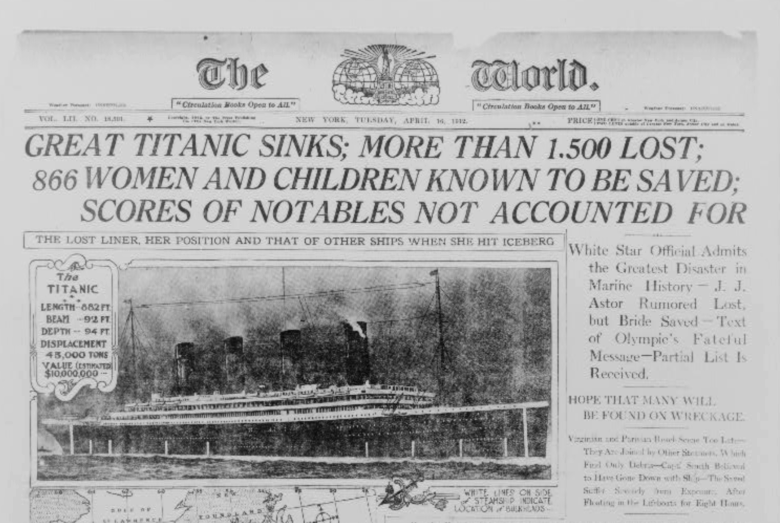
On April 14, 1912, the largest and most luxurious ocean liner, the unsinkable Titanic, sideswiped an iceberg and sank in the freezing black waters of the northern Atlantic Ocean.
Almost immediately after the Titanic sank, a number of proposals were put forward to look for the wreck despite her exact location and condition being unknown.
The first serious search for the shipwreck was launched in 1953 but failed to locate the Titanic.
In the summer of 1980, Jack Grimm launched the next search. Grimm hired geologist William Ryan, who began developing advanced undersea mapping technology and large-area mapping sonar, and identified a 600-square-mile target area and fourteen potential sites.
In July 1981, the second search began. While Grimm’s team searched target area thirteen, cameras showed an object Grimm identified as the Titanic’s propeller, a claim that was later dismissed for lack of evidence. After writing a book about his search, Grimm undertook a third expedition with Ryan in 1983, which had to be abandoned because of gale-force winds.
In 1982, Robert Ballard was working at the Deep Submergence Laboratory of Woods Hole Oceanographic Institute in Massachusetts; he developed Argo, a submersible robot vehicle that could help him find the Titanic.
By the summer of 1985, Ballard, together with the French Institute for Research and Exploitation of the Sea, arranged a discovery trip to look for the Titanic.
After about six weeks, the French team left the area. Jean-Louis Michel, a member of the French team and Ballard’s friend, joined Ballard and his team and continued the search using the video and sonar imaging systems.
Then the day arrived: early morning on September 1, 1985, Michel and two other team members, Bob Lange and Stu Harris, checked the images Argo had provided after more than three weeks of scanning.
The team saw a large circular shape on the monitor, which was identified as one of the twenty-nine boilers originally aboard the Titanic.
The team found the Titanic; it appeared to be well preserved, with no human remains.
Ballard returned to the site in 1986 with two team members, and went down to check the wreck in a three-person submersible called Alvin.
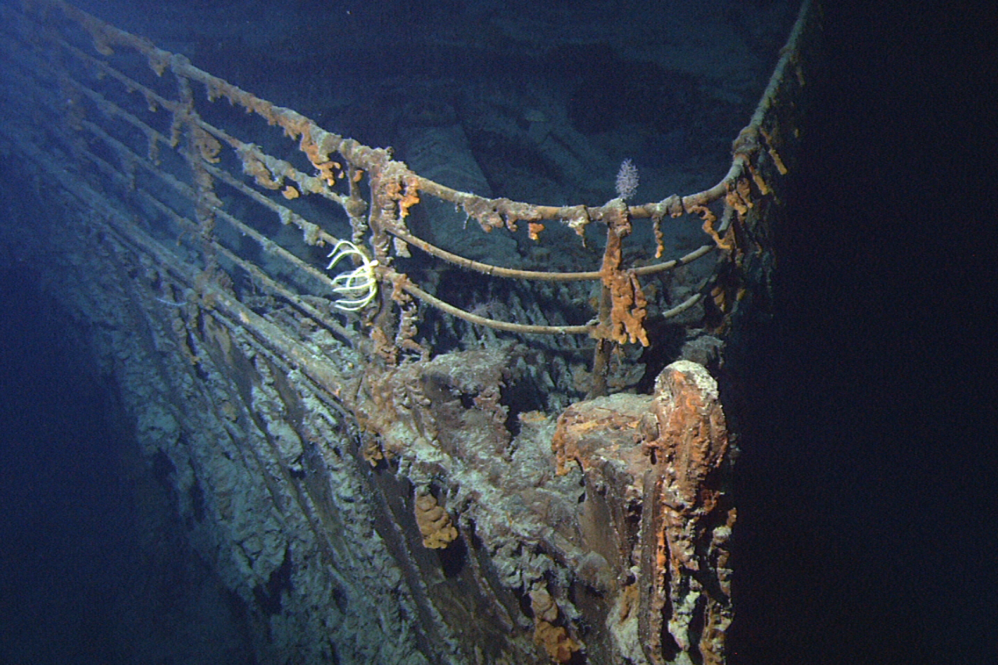
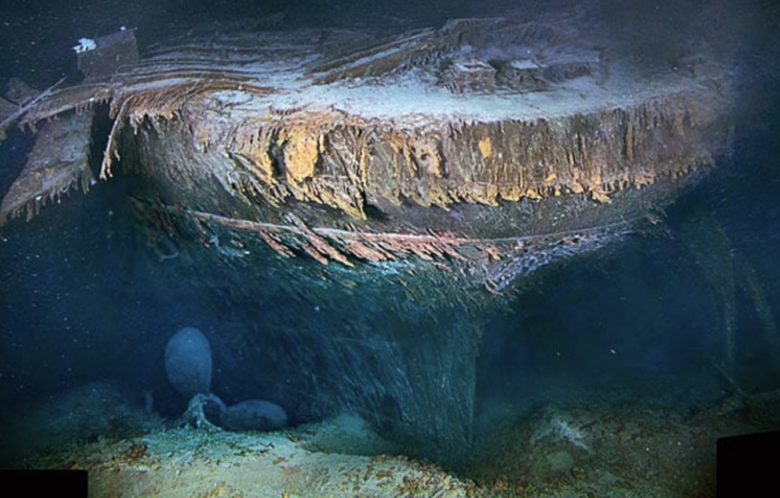
The wreck was in two pieces, with the bow intact and the stern badly smashed. The Titanic was in an area with more oxygen and salinity than normal for the depth, so it sustained a great deal of damage.
After the Titanic’s location was revealed, the wreckage was visited many times, and more than six thousand artifacts were removed between 1987 and 2000. RMS Titanic Inc. carried out the last major underwater expedition in 2024.
Ask us! What questions do you have about content, strategy, pop culture, lifestyle, wellness, history or more? We may use your question in an upcoming article!
Like MediaFeed’s content? Be sure to follow us.
This article was syndicated by MediaFeed.co