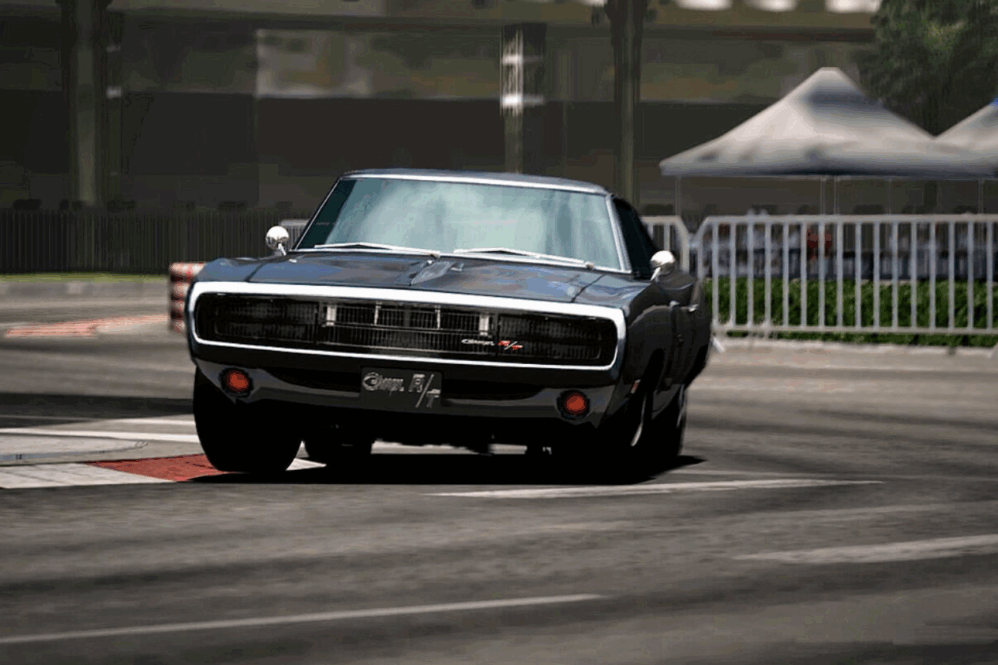
9 car features from the ’90s aren’t legal today
A ’90s car got away with things that would now draw a federal fine. Regulations eventually tightened, and things changed. Enforcement got real.
The following are nine features that were either standard or an easy weekend mod back then and have since been closed off entirely.
Leaded gasoline
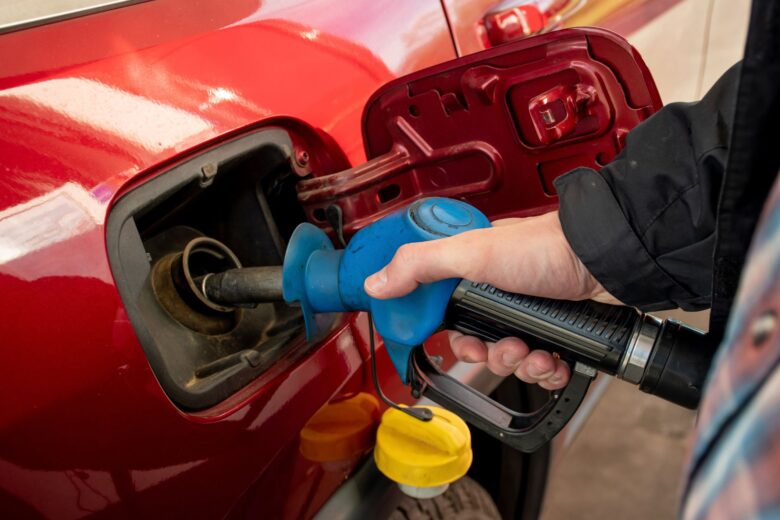
That’s the exact date leaded gasoline became illegal to sell for on-road use in America. Plenty of pre-’96 cars were built to run on it, and stations sold it right up until the deadline hit. The Clean Air Act phaseout closed that door for good, leaving leaded fuel legal only for aircraft, farm equipment, and racing.
Radar jammers
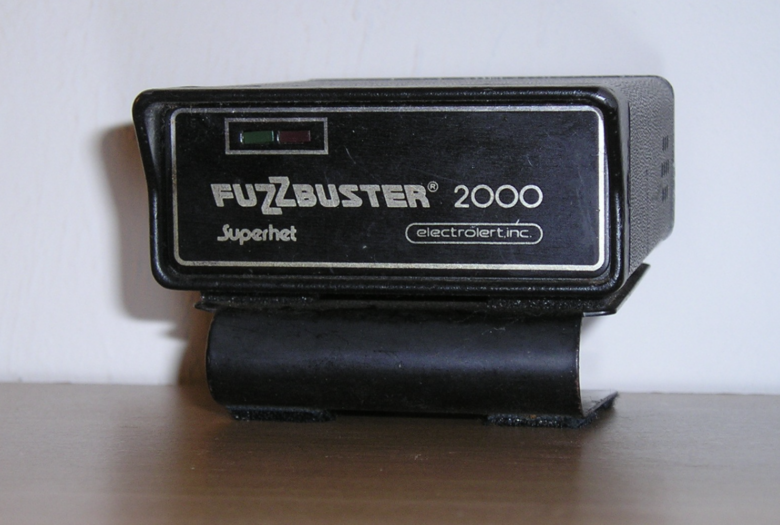
Detectors just listen. Jammers actively broadcast interference to scramble a police radar gun’s reading, and that’s a different legal universe entirely. The FCC banned them outright in 1996 under the Communications Act. Using one today is a federal offense, no matter what state you’re in.
Pop-up headlights
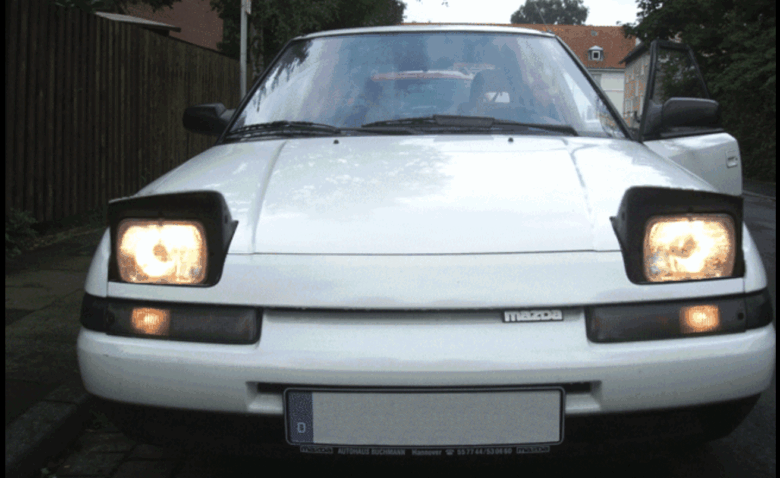
Nobody will ticket a classic car for having them. But building one new became functionally impossible after a 1998 EU pedestrian-safety mandate limited how far anything on a car’s front end could protrude. Manufacturers build for global markets, so the mechanism disappeared everywhere at once rather than survive in just one country.
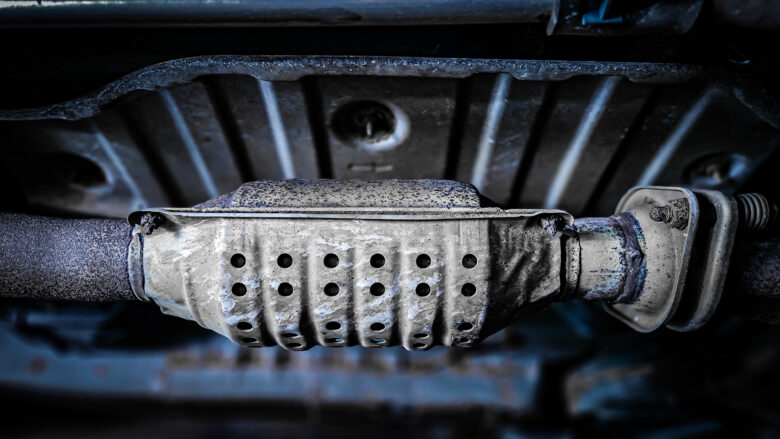
Ripping out the catalytic converter
It was always illegal under the Clean Air Act’s tampering rules. Enforcement in the ’90s, though, was close to nonexistent. Not anymore. The EPA has collected over $50 million from aftermarket parts sellers since 2020, and a single violation can run close to $6,000.
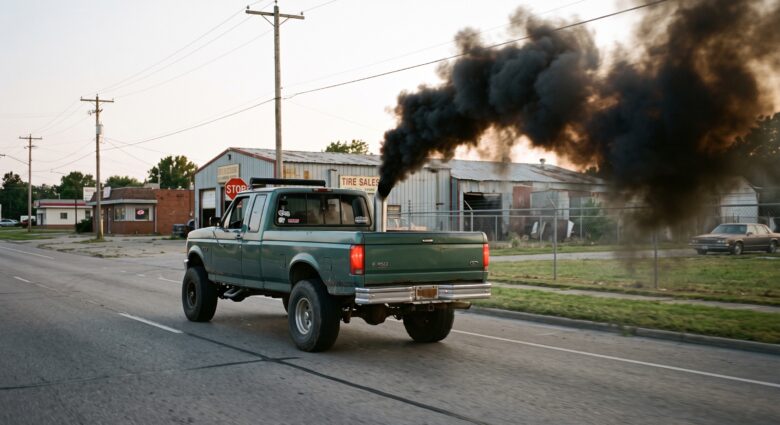
Rolling coal
Diesel trucks rigged to belch black smoke on command grew directly out of ’90s tuning culture. A 2020 EPA study found more than 550,000 pickups illegally modified this way. Colorado and Maryland have since passed laws naming the practice specifically, stacked on top of the existing federal ban.
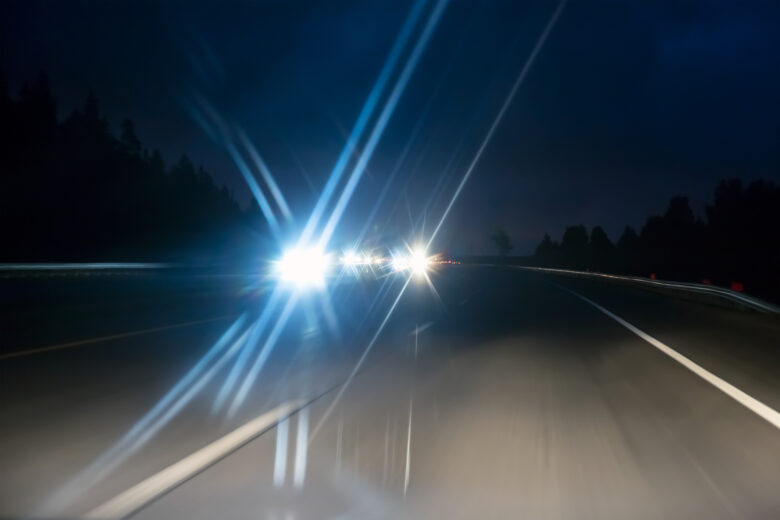
Blue headlights
Retrofitting factory halogens with blue or purple-tinted bulbs was a genuine tuner-scene staple. Almost every state now regulates headlight color directly, permitting white or amber and banning anything close enough to emergency-vehicle lighting to cause confusion, which rules out exactly the kits that used to sit on auto parts store shelves.
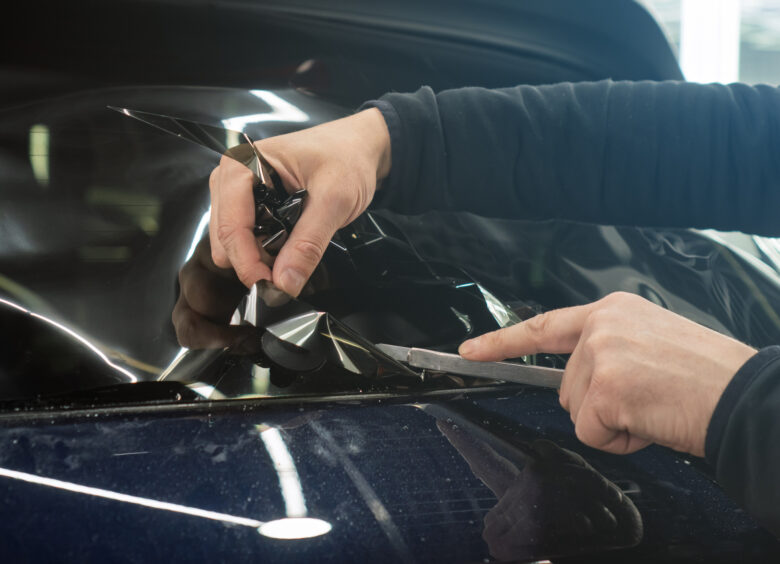
Windshield tint
Most states have since set hard visible-light-transmission minimums specifically for front windows, largely over concerns about officer and driver visibility during a traffic stop. What used to slide through inspection now fails it outright.
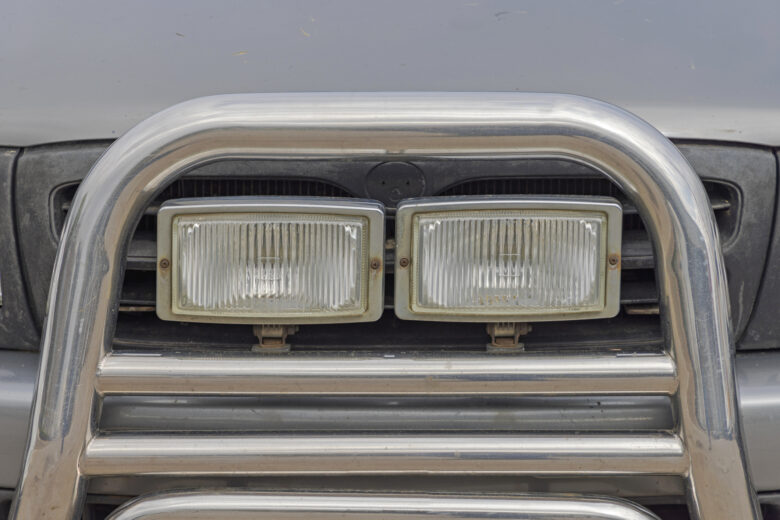
Bull bars
Rigid steel push bars bolted straight to a bumper were a common rugged-truck look throughout the decade. Non-energy-absorbing versions have since been restricted in a growing number of places over pedestrian-impact concerns, part of the same design shift that ended pop-up headlights.
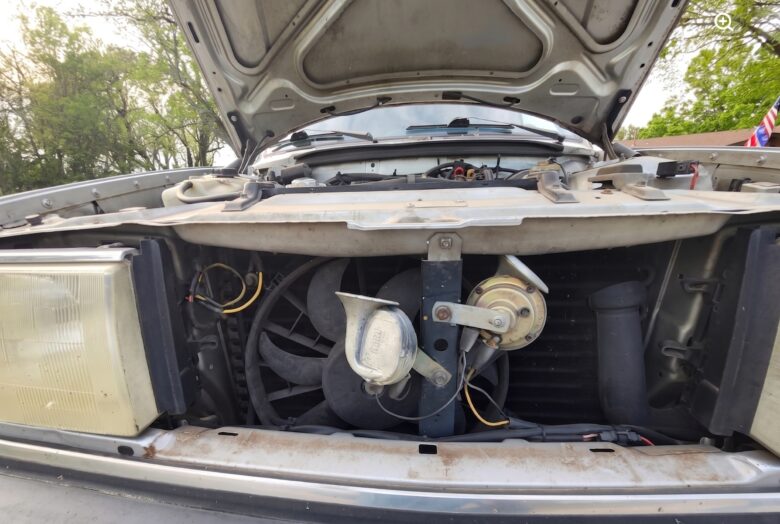
Train horns
Niche, but real, mostly late ’90s into the early 2000s. Every state regulates maximum vehicle horn decibel output now, and a genuine train horn’s volume sits well past what any of those laws allow on a public road.

The bottom line
None of this vanished because someone ran out of ideas. Pedestrian safety research, tighter emissions enforcement, and a couple of dangerous aftermarket trends closed the door on nine different features, most of it within the last fifteen years.
Ask us! What questions do you have about content, strategy, pop culture, lifestyle, wellness, history or more? We may use your question in an upcoming article!
Related:
Like MediaFeed’s content? Be sure to follow us.
This article was syndicated by MediaFeed.co.