Horror movies that scared audiences so badly they became controversial
Four first-aiders.
That’s how many St John Ambulance volunteers stood by at a 1974 showing of “The Exorcist” in Cardiff. A man of about 30 rushed out and was sick in the foyer. Three young girls fainted, a South Wales Echo “Yesterdays” column reported, reprinting the original story.
Plenty of horror films scare people. A few scare them enough that someone calls a lawyer, a priest, or the police.
Six follow, from 1960 to 1999. For each, we say what the record shows.

Psycho made theaters lock their doors
Before “Psycho,” nobody worried about what you’d see when you walked into a movie. Alfred Hitchcock changed that.
It opened on June 16, 1960, at New York’s DeMille and Baronet theaters, with a demand: “No one … BUT NO ONE … will be admitted to the theatre after the start of each performance.” Posters showed Hitchcock pointing at his watch, The Hollywood Reporter recalled.
He didn’t screen it for critics first, which is part of why reviews split, per Moving Image Source. Censors cut a shot of a bare back from the shower scene. Lines wrapped around city blocks, SlashFilm noted.

People did faint at The Exorcist
Warner Bros. opened it in 24 theaters on December 26, 1973. The reaction made news.
The New York Times reported that some moviegoers vomited, others fainted or left, per Syfy. Billy Graham said, “The Devil is in every frame of this film,” Friedkin recalled.
In Cardiff, a religious group stood outside the cinema at every showing, handed out leaflets attacking the film, and collected numbers from upset viewers. Clergymen there said it tormented people, the Echo column reported. The same report noted that a large part of the audience burst out laughing.
Britain’s reaction lasted longer. The video was withdrawn in 1988 and wasn’t sold again until 1999, per one history.

A director was arrested for murder over a movie
February 1980, Milan. “Cannibal Holocaust” premiered on the 7th. Ten days later, an Italian court seized it.
Ruggero Deodato was arrested on obscenity charges, then on murder charges, because the film looked so real that people believed its actors had been killed, per his obituary coverage.
His cast had signed contracts to disappear for a year after shooting. In court, he produced them, alive. The murder charges were dropped. He was still convicted of obscenity, and the film was banned for the real animal killings in it. Co-writer Gianfranco Clerici was fined and got a four-month suspended sentence.

Britain put a horror movie on trial
The Evil Dead opened in London on February 24, 1983, with the BBFC having already cut it. It went on video the same day.
Then came the “video nasties” panic. The Director of Public Prosecutions listed 72 films as possibly obscene, per Wikipedia. Its distributor, Palace Pictures, was prosecuted, and one timeline records that the case was dismissed on November 7, 1984.
The BBFC finally passed it uncut in March 2001. Bruce Campbell has called the censors “draconian,” per Far Out.
Parents picketed a Christmas slasher
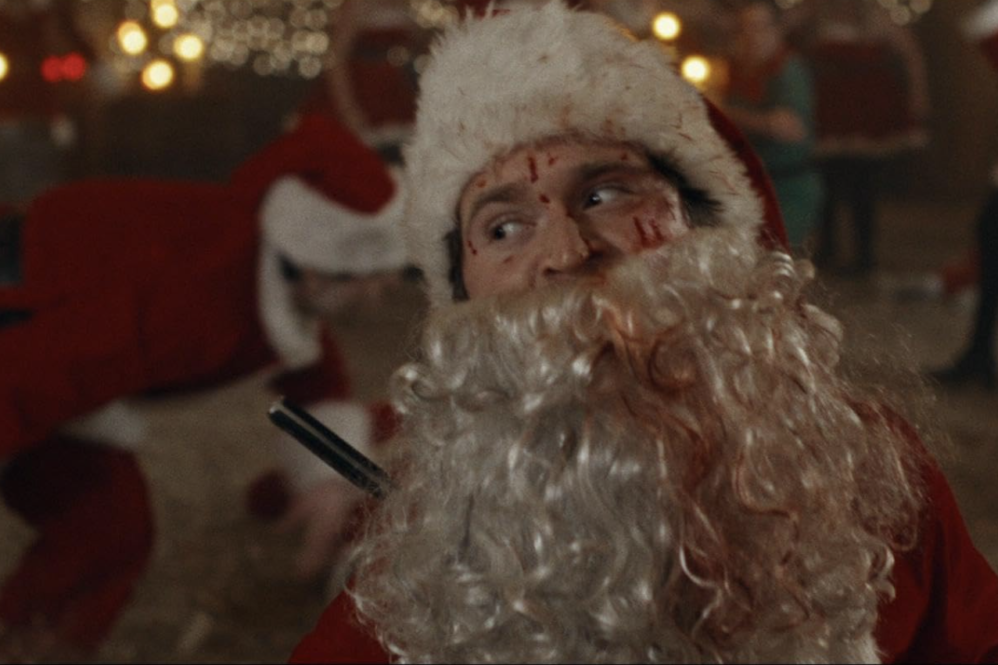
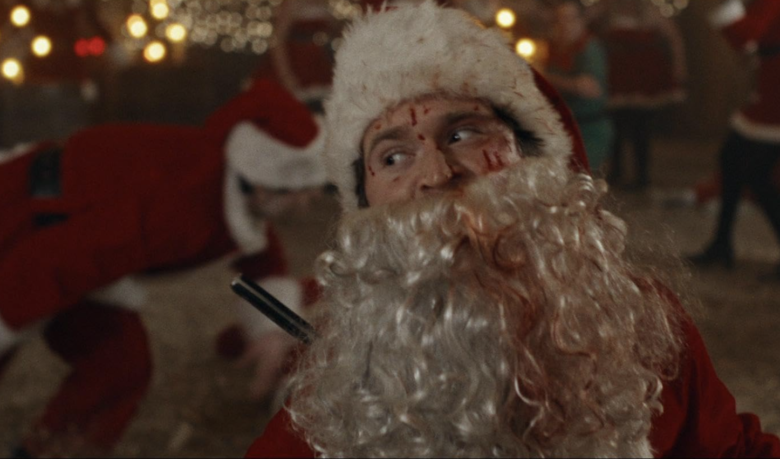
“Silent Night, Deadly Night” opened November 9, 1984, the same day as “A Nightmare on Elm Street.” The ads showed an axe-wielding Santa, PopMatters noted.
Parents picketed theaters, singing carols. Critic Gene Siskel read the filmmakers’ names on air and said, “Shame on you,” The Hollywood Reporter recalled.
TriStar pulled it after two weeks. It had grossed $2.5 million, and opened bigger than Elm Street, per the PopMatters piece.

The controversy was whether it was real
“The Blair Witch Project” premiered at Sundance on January 23, 1999. The filmmakers handed out missing-person flyers for the three actors, Fortune reported.
IMDb listed Heather Donahue, Joshua Leonard, and Michael C. Williams as “missing, presumed dead.” They were alive and had to lay low for months. An Artisan survey found about half of viewers thought it was real.
Donahue’s mother got sympathy cards, Wikipedia notes. Fans stole Burkittsville’s welcome sign, per one retrospective.
The bottom line
“Psycho” launched its no-late-entry rule on June 16, 1960. Ruggero Deodato had to produce his actors in an Italian courtroom to prove they were alive.
Ask us! What questions do you have about content, strategy, pop culture, lifestyle, wellness, history or more? We may use your question in an upcoming article!
Related:
- Your cozy (or spooky!) Halloween movie, according to your horoscope
- Halloween hauntings at famous movie sets
Like MediaFeed’s content? Be sure to follow us.
This article was syndicated by MediaFeed.co.