9 strange habits of ancient Romans that sound completely fake (but aren’t)
Rome built aqueducts, sewers, and public bathhouses centuries before most of Europe caught up. That same civilization also drank gladiator blood as medicine and used urine as mouthwash. Both true. Often practiced by the exact same people, sometimes on the exact same day.
Here are 9 strange habits of the Romans that didn’t feel so strange at the time.
Wiping sponges
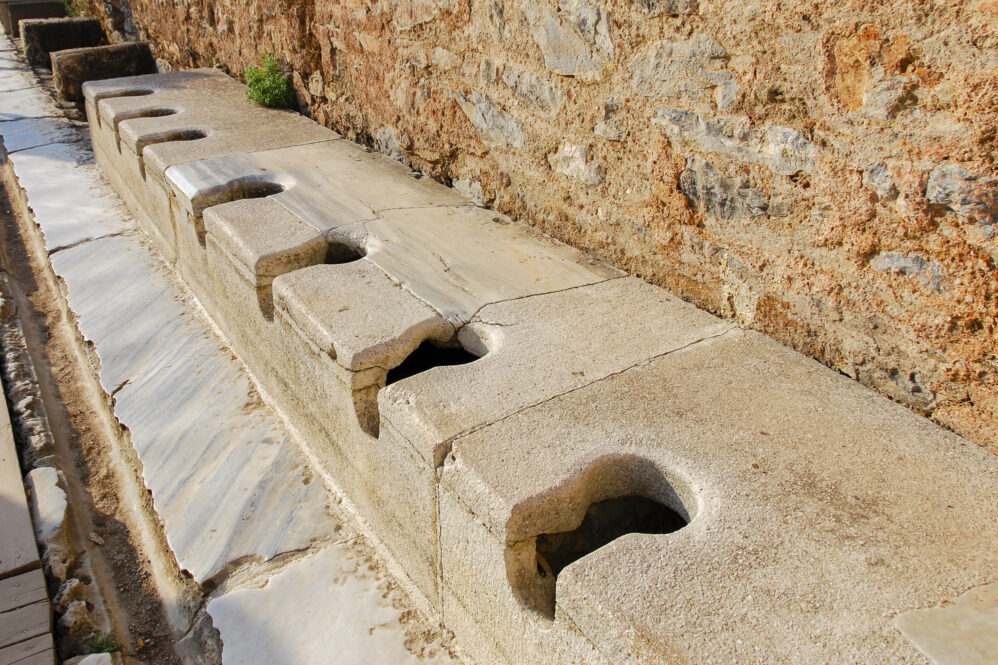
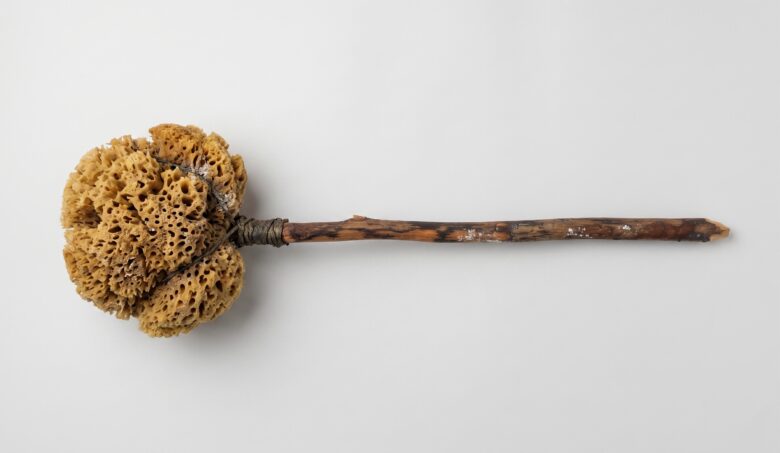
Public latrines ran rows of seats over a running water channel, genuinely impressive engineering for the era. Beside each seat sat a single sponge on a stick, the xylospongium, used by everyone who visited that day. Never cleaned between uses. Archaeological evidence shows Romans carried far higher rates of intestinal parasites than their ancestors, or their non-Romanized neighbors, as a direct result.
Mouthwash
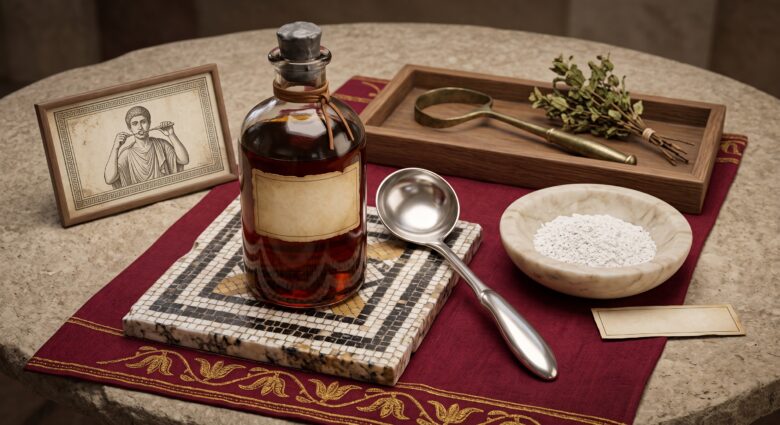
Portuguese urine was imported as a premium product, purchased for dental hygiene alone. The ammonia genuinely did whiten teeth, and Roman teeth have turned up in remarkably good condition archaeologically, low-sugar diets aside. One surviving Roman poem even mocks a rival’s suspiciously polished teeth, implying he must drink an unusual amount of it.
Laundry detergent
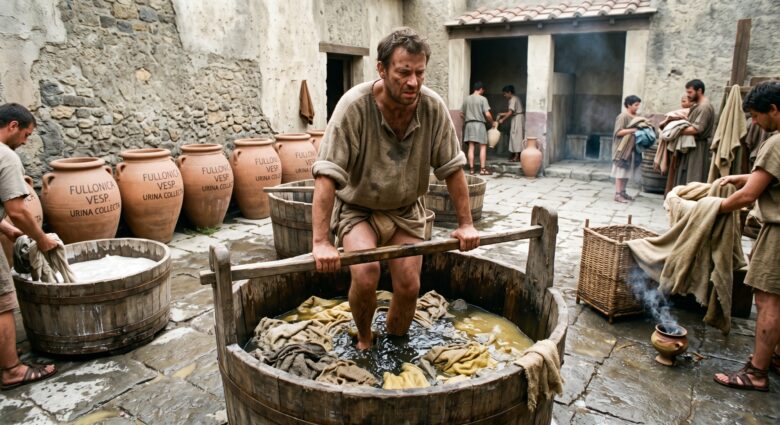
Public buckets sat on Roman street corners specifically for collection. Workers called fullers used the ammonia to bleach and clean togas. One unlucky worker would climb into a vat full of clothing and urine, then stomp on it barefoot to work the cleaning agent through. Nobody was fighting over that job.
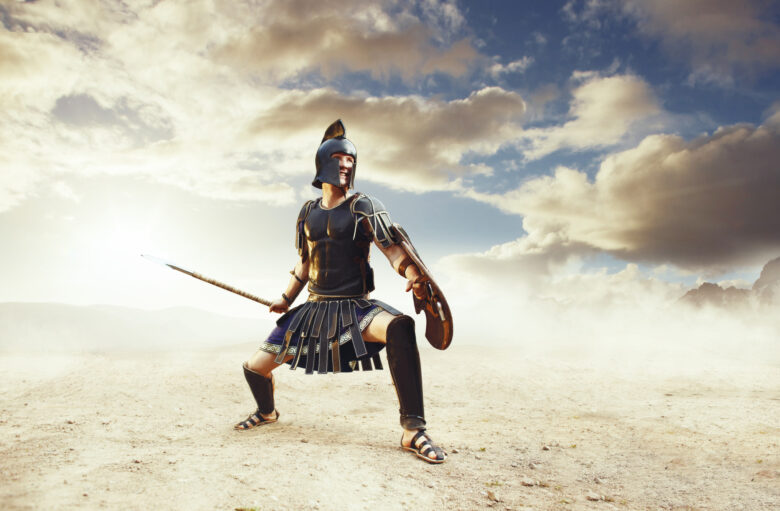
Gladiator blood as medicine
Roman physicians prescribed fresh gladiator blood to epileptics specifically, believing a fighter’s vital strength could transfer directly into a sick person through the blood itself. Liver, harvested from freshly killed gladiators, got eaten for the same reason. Rooted entirely in sympathetic magic. Nothing resembling actual medicine.

Garum
Dark, pungent and fermented. Garum seasoned nearly everything Romans ate and was exported to every corner of the empire. Made from raw, unrefrigerated fish left to ferment, it often carried parasite eggs that grew into tapeworms up to 25 feet long inside anyone who ate it regularly.
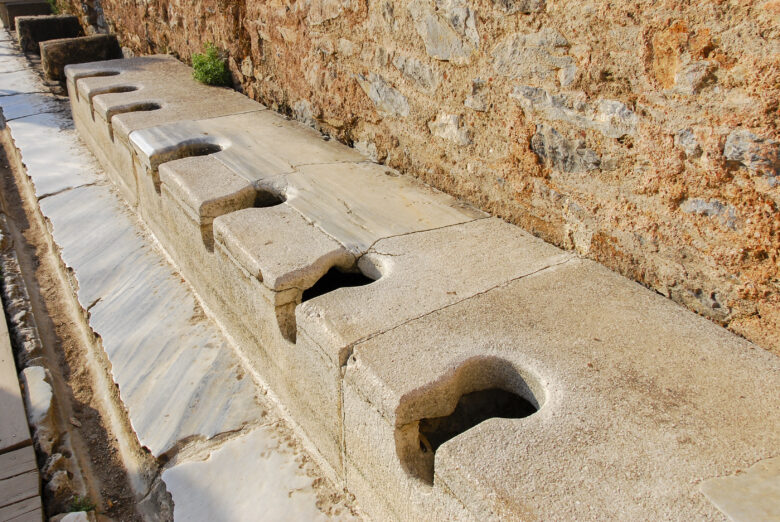
Toilets
Public restrooms trapped methane and hydrogen sulfide gas rising from the sewage below, and that buildup occasionally ignited, sending flames up through the seat openings themselves. People genuinely died using the bathroom this way, a risk serious enough that some latrines installed statues of Fortuna, goddess of luck, specifically for visitors to pray to before sitting down.
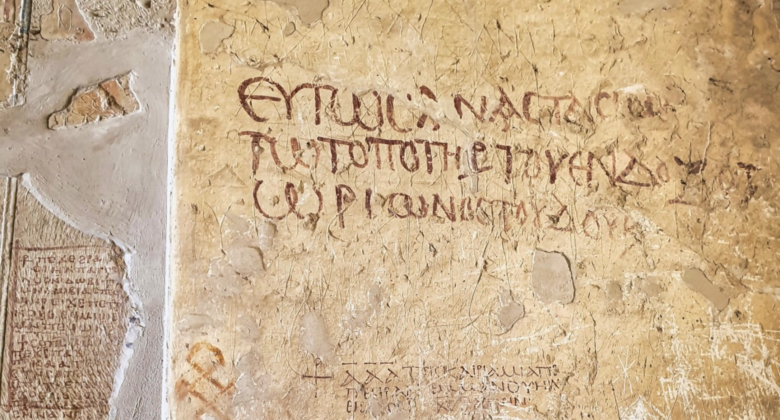
Magic spells
Beyond praying to Fortuna, Romans carved protective spells directly into latrine walls, meant to keep demons away during use. Archaeologists have found multiple sites with these incantations scrawled next to seats across the empire. Supernatural fear, or a reasonable response to explosive gas and predatory sewage creatures? Probably depended entirely on who you asked at the time.
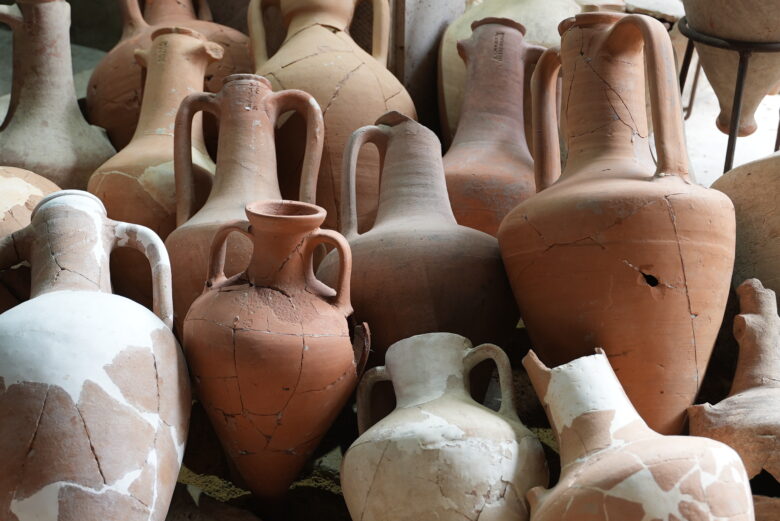
Lead-sweetened wine
Romans boiled grape juice in lead pots to create sapa, a syrup used to sweeten wine and preserve fruit. The lead leached straight into the syrup during boiling, forming lead acetate, a compound literally nicknamed “sugar of lead” at the time. Modern reconstructions of the recipe have found lead levels nearly 2,900 times today’s EPA drinking water limit. Some historians have argued the resulting poisoning among Rome’s elite, who could afford wine sweetened this way most often, contributed to documented patterns of illness and cognitive decline among the upper class specifically.
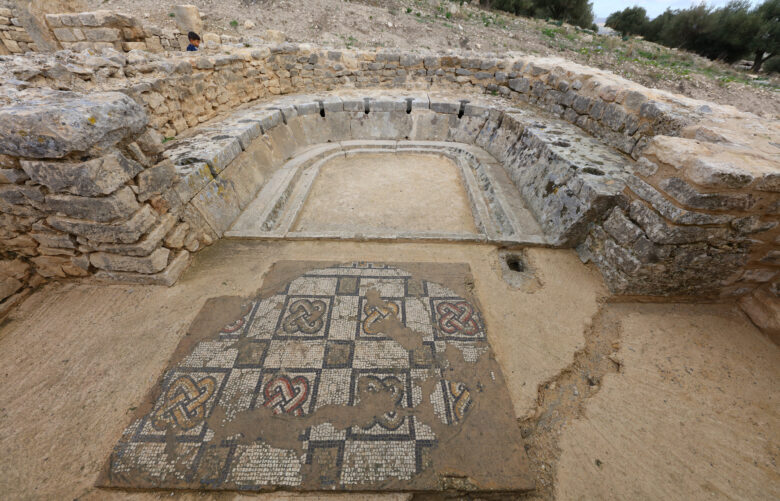
Public latrines as social hubs
Parasites. Exploding gas. A shared sponge. And still, public latrines functioned as legitimate gathering spots, somewhere between a coffee shop and a town square. People sat, chatted, and conducted actual business while using the bathroom together. Entirely normal behavior in a culture that just didn’t attach the same privacy expectations most cultures do now.

The bottom line
None of this was considered strange at the time, which is genuinely the strangest part of the whole list. Every habit here made sense within a culture that hadn’t yet connected hygiene to disease, and Rome’s engineering brilliance existed right alongside practices modern medicine would consider genuinely dangerous.
Ask us! What questions do you have about content, strategy, pop culture, lifestyle, wellness, history or more? We may use your question in an upcoming article!
Related:
- Historical “discoveries” that turned out to be elaborate hoaxes
- Some of the most surprising record deals in music history
Like MediaFeed’s content? Be sure to follow us.
This article was syndicated by MediaFeed.co.