Fads that somehow survived far longer than they should have
Most fads follow the same arc. They explode fast and dominate every conversation for a season. And vanish just as quickly, leaving nothing behind but a drawer full of regret. A handful refused to follow that script entirely.
The same handful of outliers keep coming up whenever retail analysts study exactly why some crazes just won’t die on schedule.
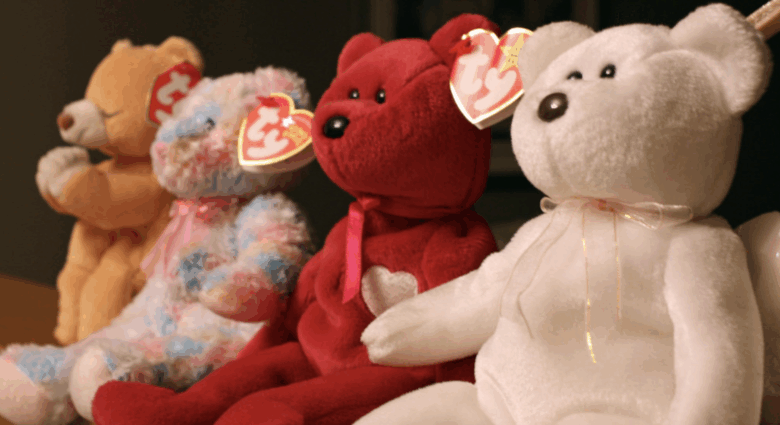
Beanie Babies
Ten percent. That’s roughly the share of all eBay sales these stuffed animals accounted for at the height of the madness in 1997. People genuinely insured individual toys for thousands of dollars, treating stuffed cows and bears like a legitimate retirement plan. The bubble eventually burst. Founder Ty Warner became a billionaire before it did.

Silly Bandz
Started in Japan, of all places, as an environmental awareness project about wasted rubber bands. Ended up a nine-figure business. Sales hit $100 million in a single year, and the company behind them grew from 20 employees to nearly 3,000 in two years flat, riding a craze most parents assumed would fade by the next school semester.
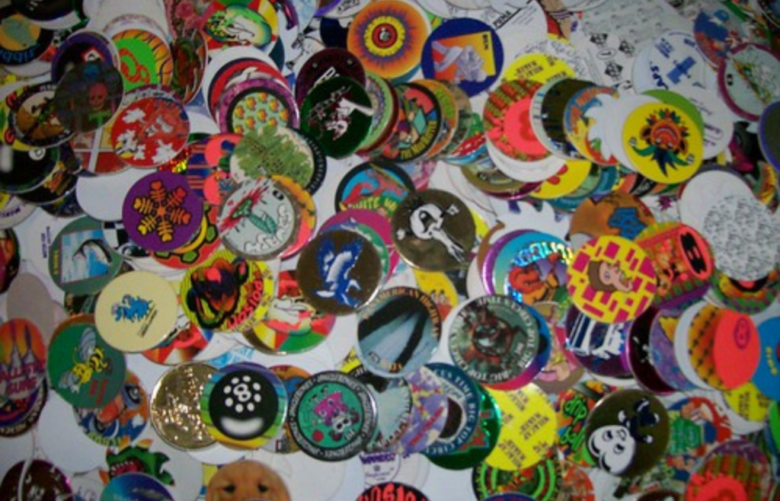
Pogs
Cardboard discs. Pictures printed on them. Stacked and slammed with heavier discs during recess. Somehow became genuine playground currency anyway. Most kids ignored the actual game entirely, just wanted more discs with cooler designs. Burned bright, burned fast. The Canada Games Company went bankrupt the same year the craze collapsed.
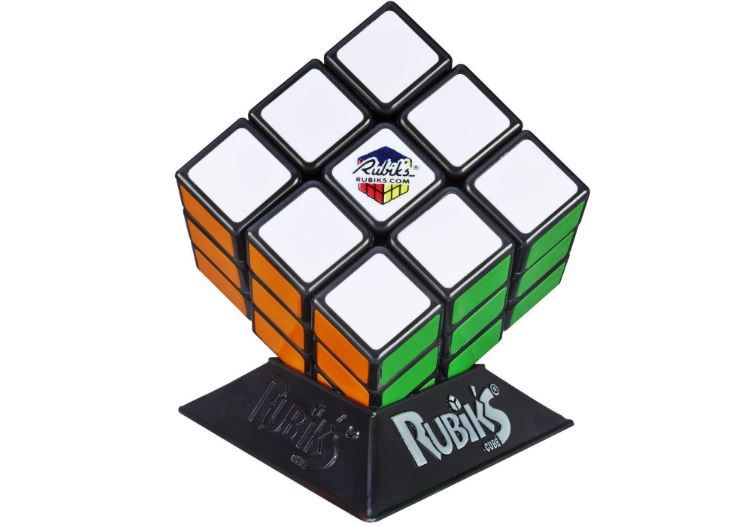
The Rubik’s Cube
Millions of people, hours at a time, sometimes years, chasing one six-color solution. Intense enough to spawn international competitions. Bestselling books. Even a short-lived TV show. Decades later, it’s still recognized instantly as a symbol of the exact era it defined, outlasting nearly every toy fad that tried to follow it.

Tamagotchi
A virtual pet demanding constant feeding, cleanup, attention. Small enough to clip onto a keychain. Popular enough in 1997 that its 20th anniversary triggered a full commercial re-release. Came back again in 2013, this time as a mobile app, for a whole generation of kids who’d never even seen the original toy.

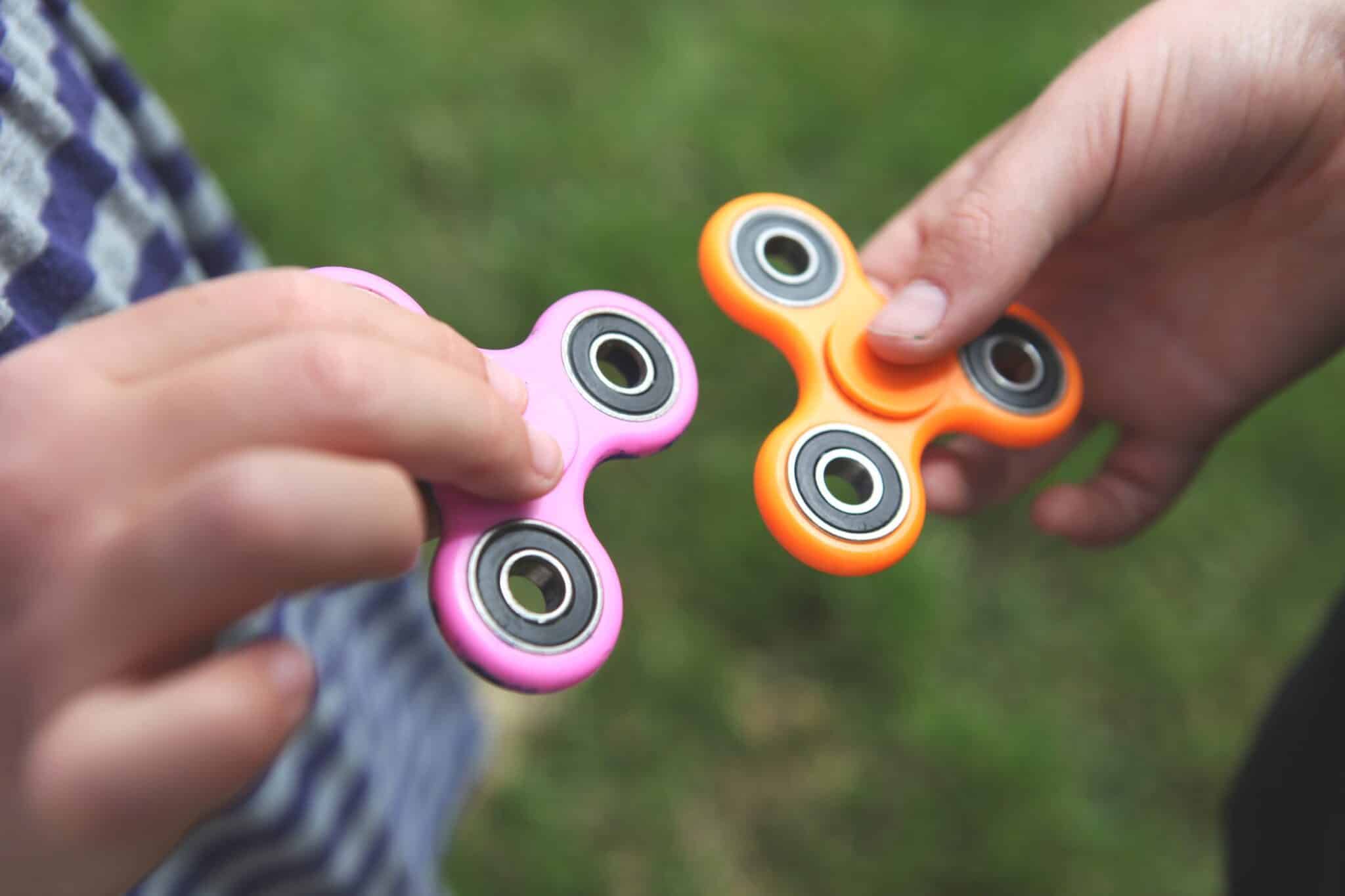
Fidget spinners
What actually makes a toy fad spread faster than every fad before it combined? Marketed originally as an ADHD and anxiety tool, fidget spinners broke out in 2017 and just kept climbing. Google Trends data from that year showed the craze dwarfing every prior comparison: Webkinz, Zhu Zhu Pets, Tickle Me Elmo, all of it, at once.
The bottom line
None of these crazes were built to last, and most of the people selling them knew it going in. What kept them alive longer than expected was rarely the product itself. It was the specific mix of scarcity, social pressure, and a kid’s genuine fear of being the only one left without one.
Ask us! What questions do you have about content, strategy, pop culture, lifestyle, wellness, history or more? We may use your question in an upcoming article!
Related:
- Gadgets Boomers & Gen X grew up with that are nearly obsolete
- 15 Things Boomers Still Miss About the Way Life Used to Be
Like MediaFeed’s content? Be sure to follow us.
This article was syndicated by MediaFeed.co.