Household products that aren’t worth buying anymore
Plenty of items sitting in a typical laundry room survive purely on habit. Bought once, kept buying, never actually questioned whether they do anything the alternative doesn’t do better. Or cheaper. Or without the chemical baggage attached.
The verdicts keep landing in roughly the same place, according to consumer researchers who’ve quietly revisited several of these staples for years.
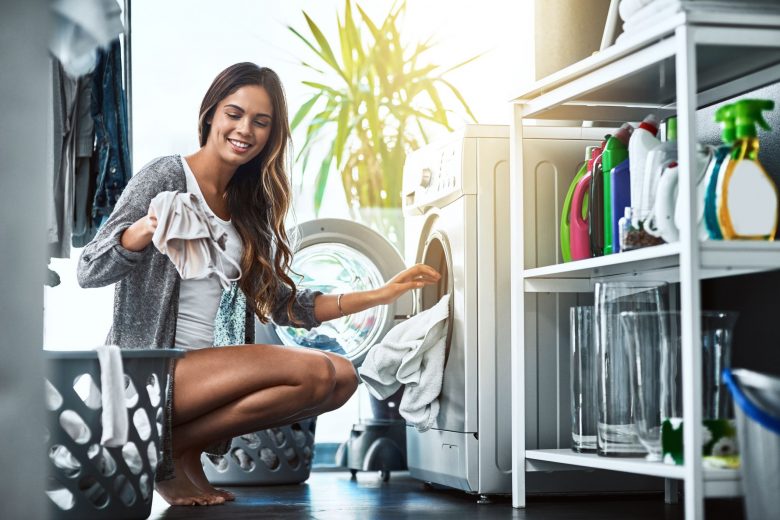
Fabric softener and dryer sheets
What’s actually in that waxy coating everyone’s clothes get treated with? Not just softness. Buildup on moisture-wicking activewear. Reduced towel absorbency over time. Residue that can settle on a dryer’s moisture sensor, making the appliance less effective at its one job. Wool dryer balls handle the static problem without any of it.
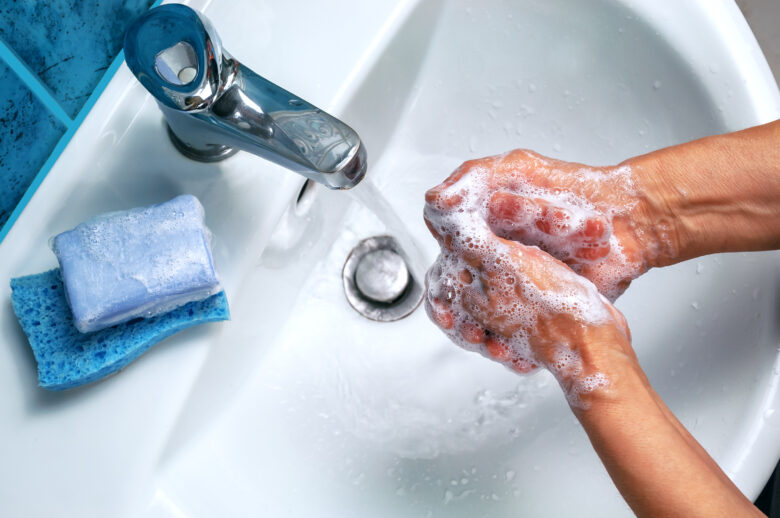
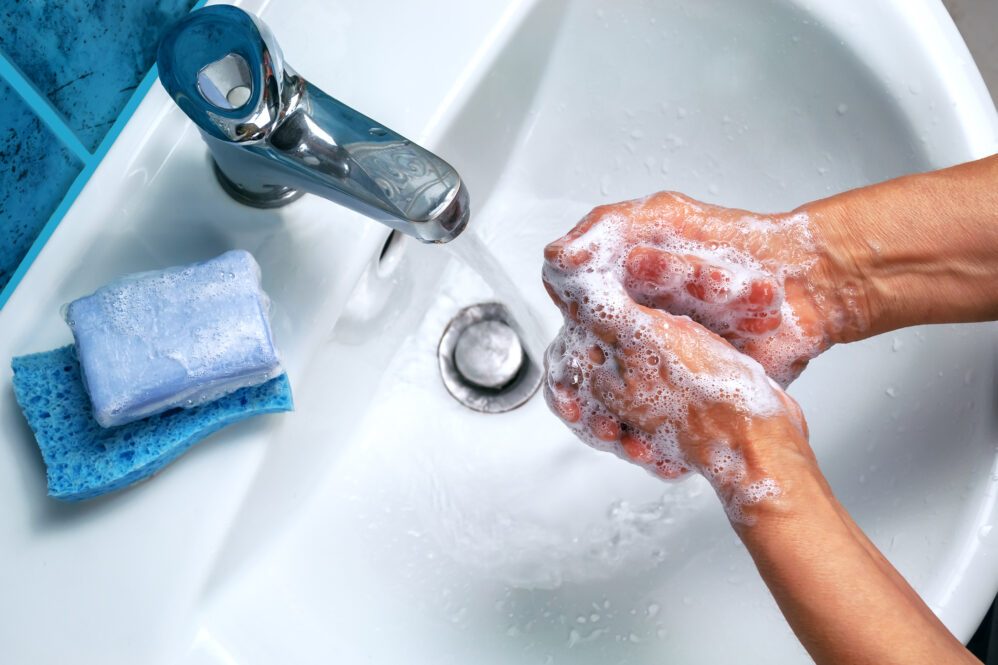
Antibacterial soap
Banned, technically. At least the triclosan-based version is. The FDA pulled it and eighteen other antibacterial ingredients from consumer soaps back in 2016, after manufacturers failed to prove the ingredients worked any better than plain soap and water. Some research even suggests that these chemicals contribute to antibiotic-resistant bacteria. The exact opposite of what the label promised.
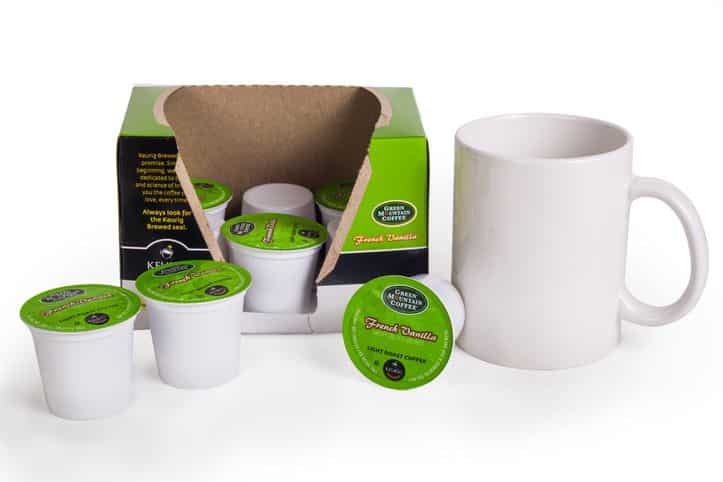
Coffee pods
Convenient. Genuinely convenient, no argument there. The math is still brutal on both ends, though: roughly 576,000 metric tons of coffee capsule waste piles up worldwide every single year, the equivalent weight of 4,400 school buses. Most of those pods still aren’t accepted by local recycling programs, despite whatever the packaging claims.
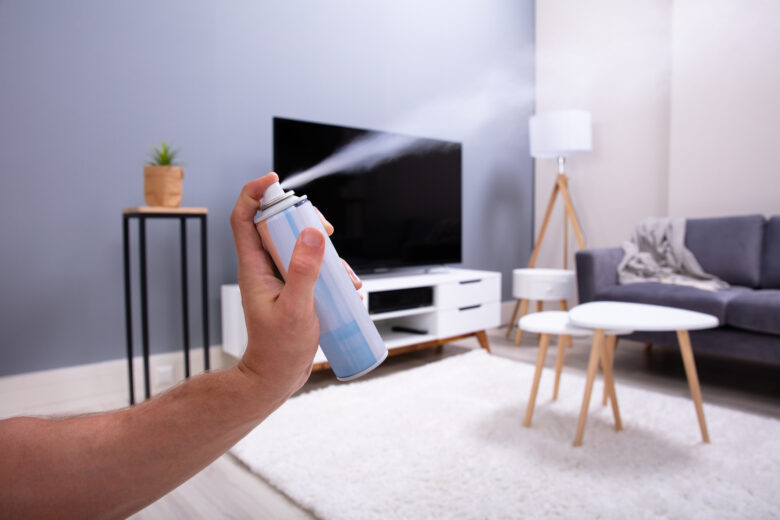
Air fresheners
Marketed as an odor solution. Functions more like an unregulated chemical release into a living room. University environmental health researchers have found that air fresheners raise indoor levels of volatile organic compounds like formaldehyde and benzene, which can irritate the eyes, throat, and lungs. None of it is required to actually appear on the label.
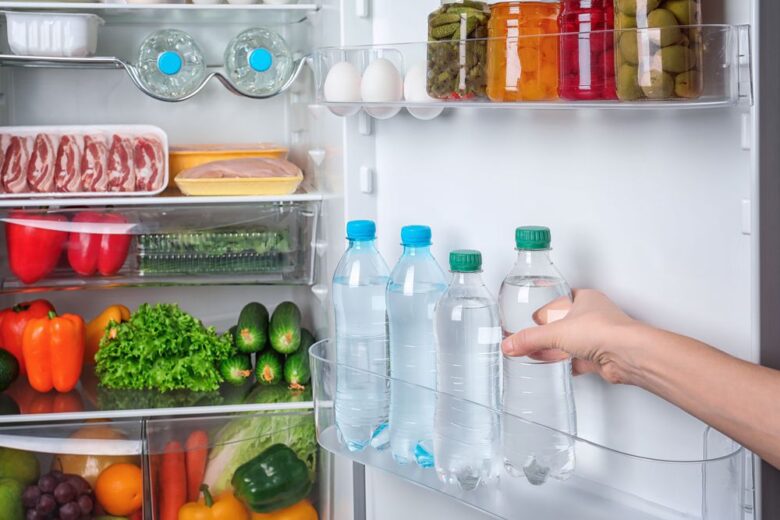
Bottled waters
Pennies per gallon versus dollars. That gap alone should raise questions. Tap water is regulated by the EPA and tested for bacteria over 100 times a month in most municipal systems, while bottled water is subject to looser FDA oversight and requires only weekly bacterial testing, according to the Natural Resources Defense Council. Hard to justify the ongoing purchase for anyone with access to a reasonably maintained water system.

Paper towels
A single roll vanishes fast once it becomes the default for every spill, every countertop wipe, every hand dry in the house. Microfiber cloths handle the exact same jobs, and over their full lifespan they cost roughly 10 times less per use than paper towels, which are washed and reused hundreds of times each.
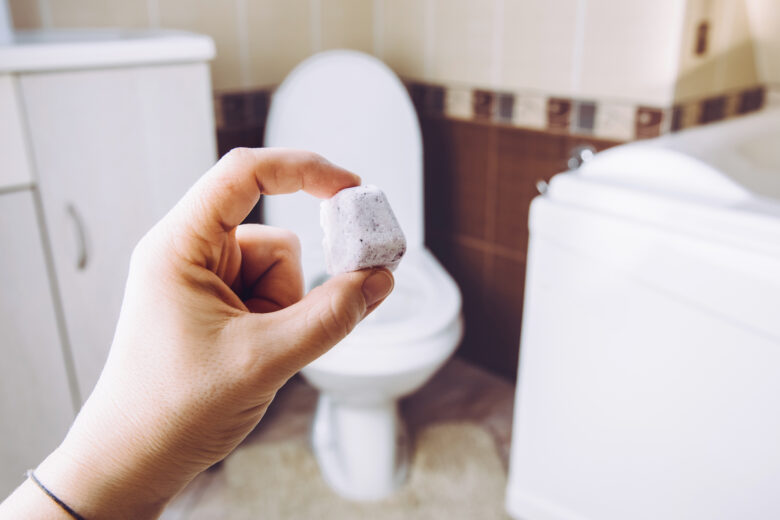
Drop-in toilet bowl cleaning tablets
Bleach-based, sitting in the tank rather than the bowl in some designs. Sounds harmless enough. Plumbers report that continuous chlorine exposure degrades rubber flappers and seals over 12 to 18 months, leading to leaks and running water that costs far more to fix than the tablets ever saved. Several toilet manufacturers now explicitly void warranty coverage over exactly this kind of tank additive.
The bottom line
None of these products are scams, exactly, or do nothing at all. Most work, technically. The issue is that better, cheaper, or safer alternatives have existed for years now, and habit alone is what’s kept the older option sitting in the shopping cart.
Ask us! What questions do you have about content, strategy, pop culture, lifestyle, wellness, history or more? We may use your question in an upcoming article!
Related:
- 15 Things Boomers Still Miss About the Way Life Used to Be
- 7 everyday baby boomer habits that are illegal today
Like MediaFeed’s content? Be sure to follow us.
This article was syndicated by MediaFeed.co.