The world’s smallest surviving religions
A previous piece here covered the world’s most followed religions: Christianity’s billions. Islam’s near-billions. This time, we take a look in the opposite direction. Amplify the horizon a little and look at faiths small enough that entire communities could fit inside a single stadium section.
Samaritanism
As few as 100 people, during the early modern period. Down from hundreds of thousands in antiquity. It’s recovered since, barely, to around 800-900 today, split between Kiryat Luza in the West Bank and Holon in Israel. Still holding on.
Mandaeism
60,000 to 100,000, and nobody quite agrees on the number. Marshlands of Iraq and Iran, originally. A Gnostic, monotheistic faith centered around reverence for John the Baptist specifically, one of very few religions built that way anywhere on Earth.

Yazidism
700,000 on the low end. 1.5 million on the high end. That gap alone tells you how hard these figures are to pin down. Half of Yazidis live in Iraq. The rest scattered into diaspora communities across Germany, Armenia, and Russia, largely refugees fleeing persecution, including the 2014 genocide carried out by ISIL.
Zoroastrianism
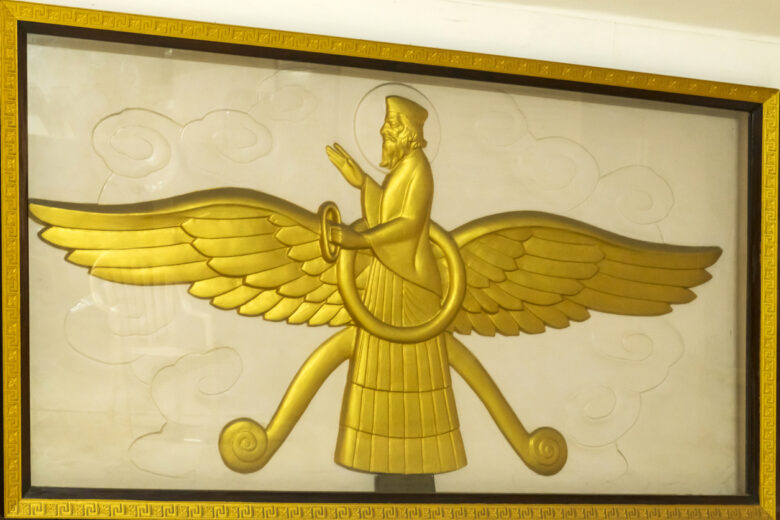
One of the oldest surviving monotheistic religions on the planet. Founded in ancient Persia. Between 100,000 and 200,000 adherents today, concentrated in India and Iran, the same two countries that have carried the faith for well over a thousand years.
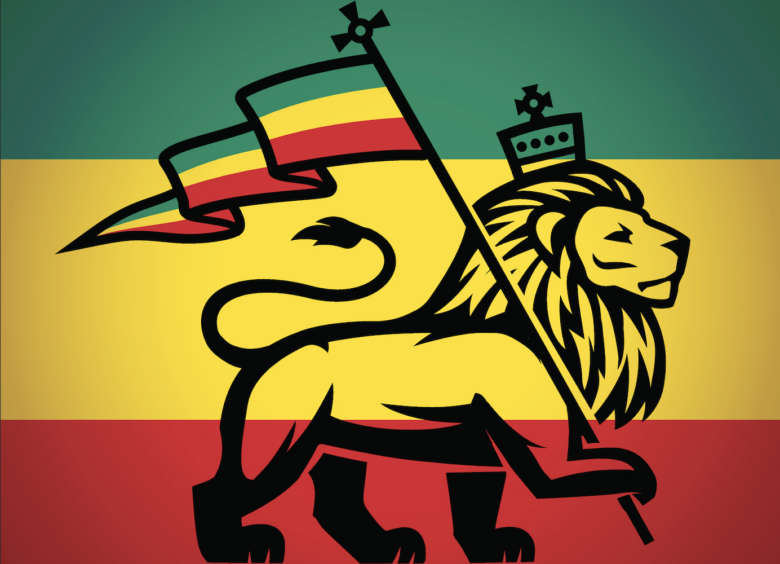
Rastafari
Jamaica. The 1930s. That’s it, that’s the origin. Youngest entry on this list by a wide margin, with roughly 1 million adherents now, built on Abrahamic roots yet developing into something entirely its own: a theology and cultural identity centered on the 1930 coronation of Ethiopian emperor Haile Selassie I.
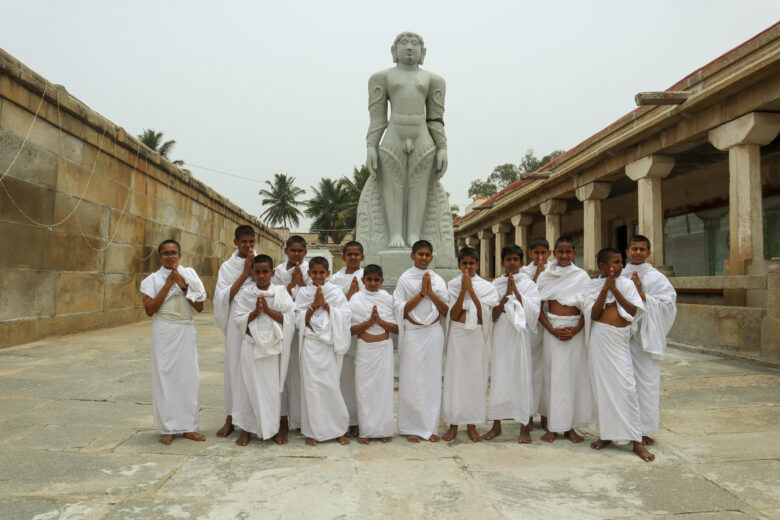
Jainism
Nonviolence. Ascetic practice. Not side notes, the actual foundation. Ahimsa, or non-injury to any living being, governs every aspect of Jain ethics. 4 to 5 million adherents, mostly in India, smaller communities in Kenya, the US, Canada, the UK. Ancient. Still standing, more or less unchanged in its core principles.
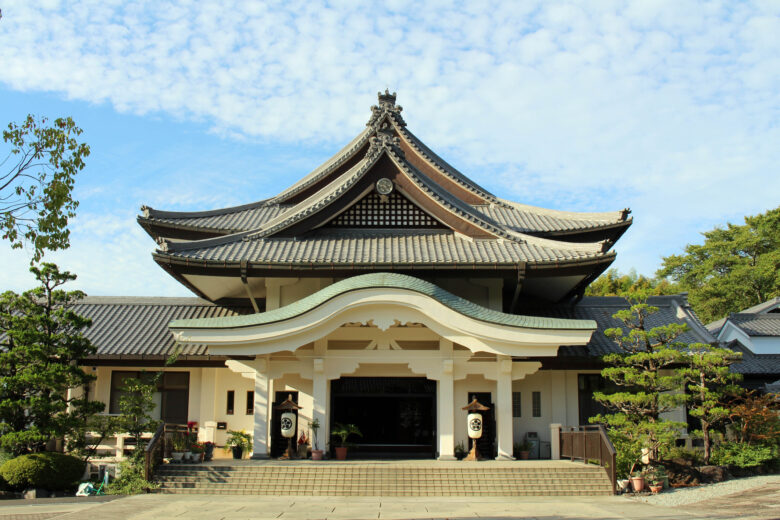
Tenrikyo
Around 2 million followers. That number carries a real asterisk, though. Researchers admit the underlying data isn’t especially rigorous. Founded in 19th-century Japan, part of a cluster of new religious movements built around joyous living and spiritual healing.
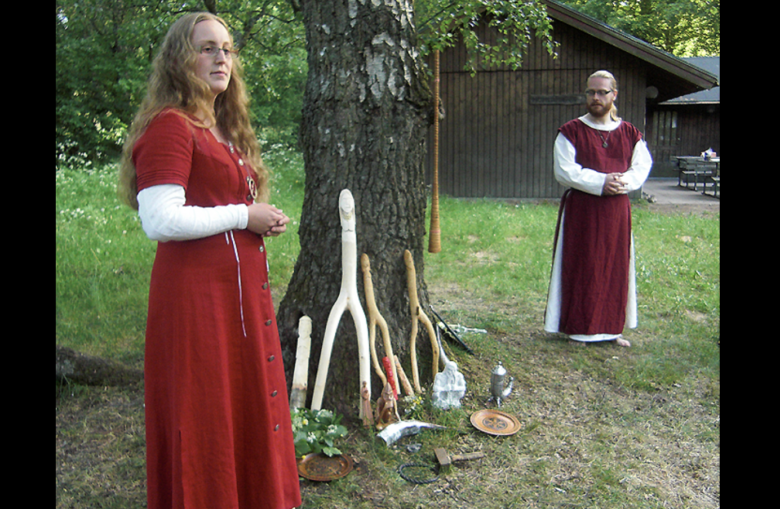
Asatru and modern Heathenry
No central authority anywhere. Just small, independent communities, worldwide, rooted in Germanic and Norse pagan traditions. The faith has spread to roughly 100 countries since its 1970s revival, with an estimated following in the tens of thousands. Genuinely hard to verify for something this decentralized.
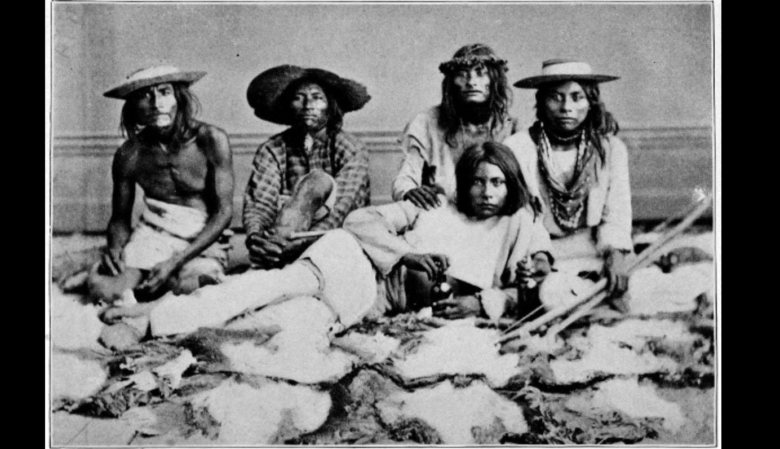
The Seri Indigenous religion
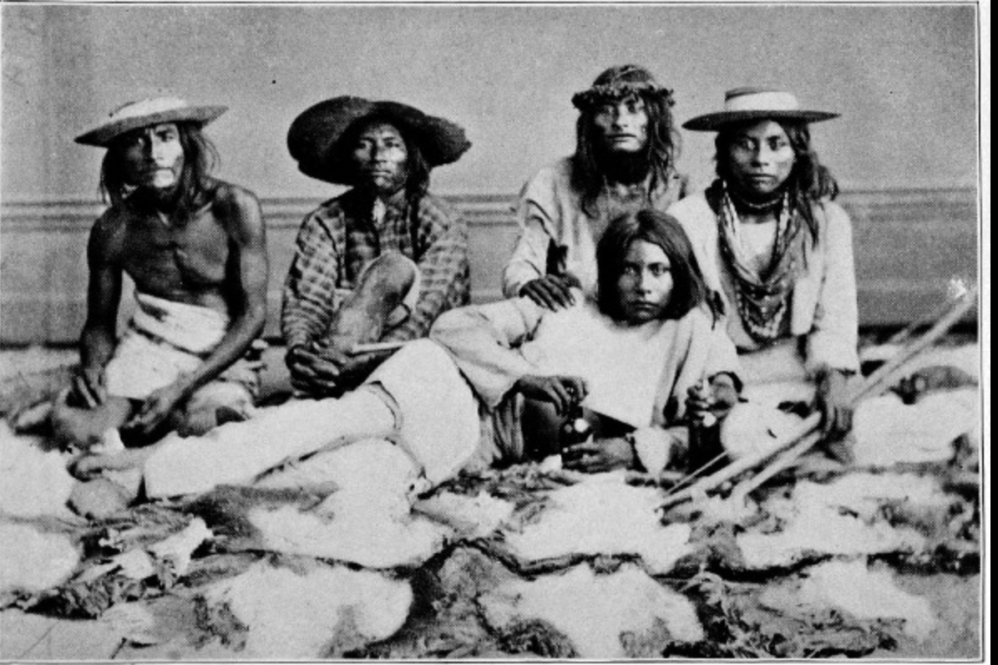
A few hundred to around 1,000 people, depending on how tightly you define ‘practicing.’ The Seri (Comcaac) people of northwestern Mexico historically followed a tradition rooted in shamanism and vision quests, though today most Seri are Christian and the old system survives mainly in scattered customary rituals rather than as an organized faith.

The bottom line
None of these traditions show up in the population charts that dominate most religion coverage. They persist anyway, in some cases against centuries of persecution and displacement, proof that survival was never really about the size of the number.
Ask us! What questions do you have about content, strategy, pop culture, lifestyle, wellness, history or more? We may use your question in an upcoming article!
Related:
- Historical “discoveries” that turned out to be elaborate hoaxes
- Some of the most surprising record deals in music history
Like MediaFeed’s content? Be sure to follow us.
This article was syndicated by MediaFeed.co.