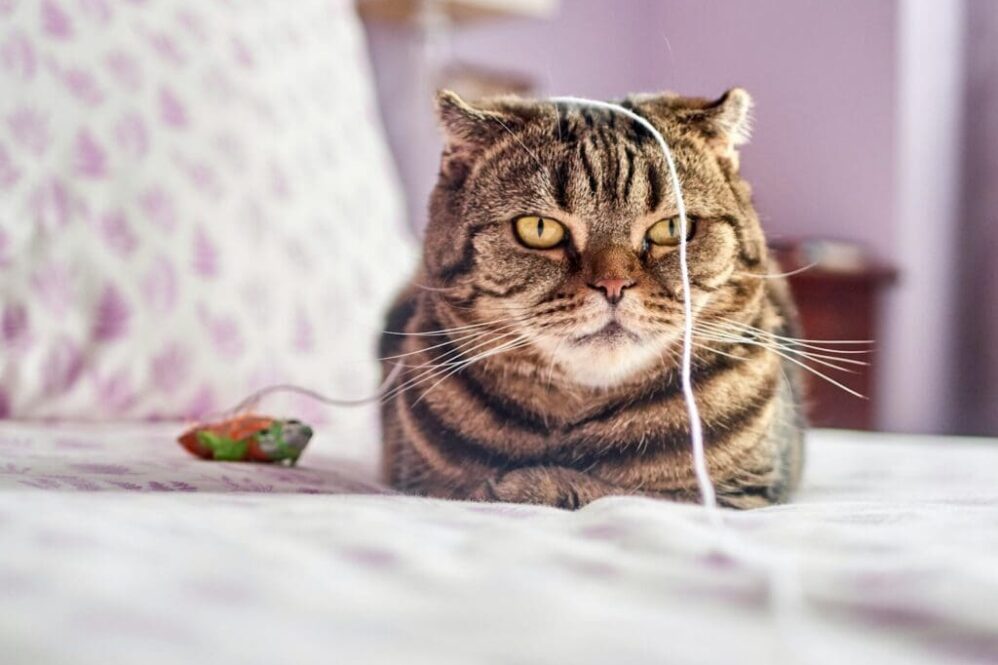
7 things in your home that make your cat nervous (and how to fix it)
Cats hide stress well. Too well, honestly, which is exactly why so many owners miss it entirely. The triggers tend to be things that look completely harmless from where a human’s standing.
Veterinary behaviorists have cataloged these patterns repeatedly, and the same handful of triggers keep showing up no matter who’s compiling the list. Seven common culprits. What actually helps, too.
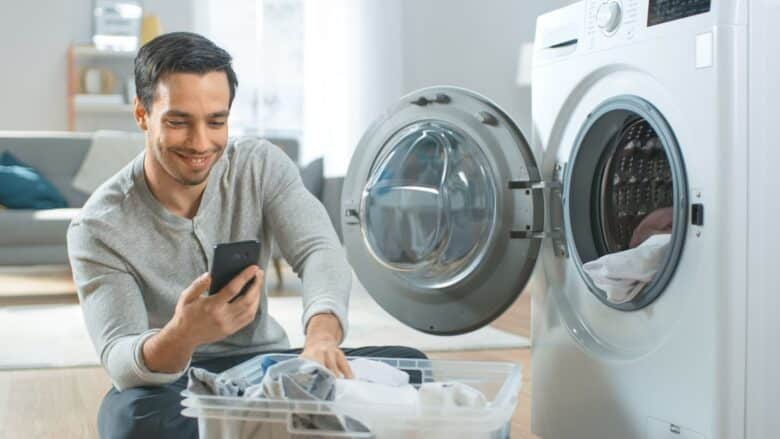
Loud appliances
Vacuums. Hair dryers. Blenders. Washing machines. All capable of sending a cat sprinting for cover in half a second. Cats hear far more than people do, picking up frequencies that turn an ordinary appliance into what registers as a genuine threat. Fix: quiet room, ahead of time, before anything loud gets switched on.

Strong smells
Scented candles. Air fresheners. Harsh cleaning products. All of it genuinely unsettling, since scent marking is basically how a cat reads its own territory. Experts recommend avoiding these near cats entirely, or at minimum introducing anything new slowly instead of all at once.
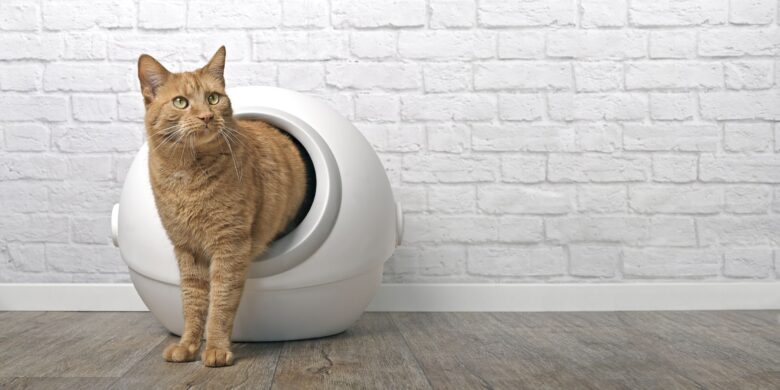
Covered litter boxes
Tidier, sure. To a human. To a cat, a covered box can feel cramped, trap odors, and cut off the one clear escape route. Real problem in multi-cat homes especially, where one cat can end up blocking another’s only way out. The ASPCA has noted that stress directly affects litter box behavior. The box design itself is worth a second look.
Rearranged furniture
Cats navigate by scent markers left across furniture and floors. Move the couch, relocate the cat tree, and those markers are just gone. The cat has to remap the entire room from scratch. Every time.

Foil, plastic bags, and other crinkly objects
Unpredictable movement. Odd shine. Sounds that don’t behave the way normal objects behave. Aluminum foil ranks among the most commonly cited triggers out there, mostly because it crinkles unpredictably and reflects light in ways a cat just can’t parse.
Sudden unfamiliar objects
The viral cucumber videos captured something real, even if nobody should recreate them at home. A cat startled by something appearing silently behind it, cucumber-shaped or otherwise, is reacting to an ambush, not the object itself. Fix: don’t stage this. Ever. It genuinely damages trust.
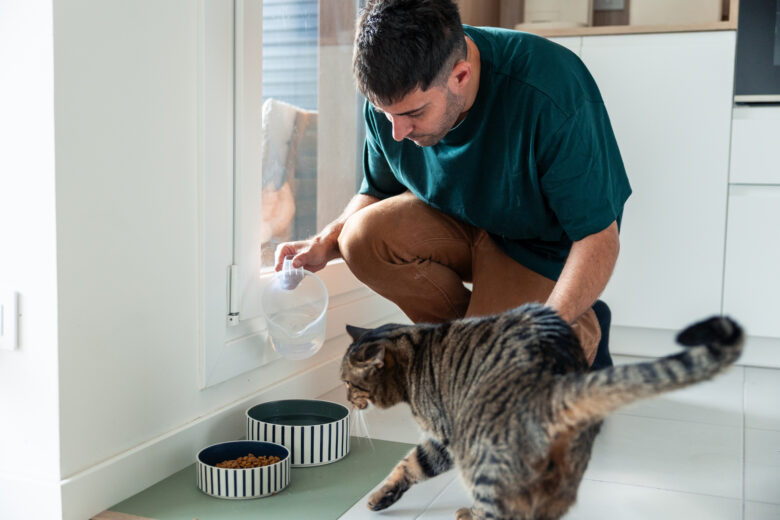
Food and water bowls near noise or foot traffic
A bowl next to a loud appliance. Or a busy doorway. Or another pet’s space. Every meal turns into a small ordeal. Moving bowls to a quiet, low-traffic corner tends to fix this one almost immediately. Simple as that, usually.
The bottom line
None of these triggers look dramatic from a human vantage point. That’s exactly the problem. Easy to miss, right up until a cat starts avoiding a whole room, or won’t eat at the usual spot anymore, and nobody’s quite sure why.
Ask us! What questions do you have about content, strategy, pop culture, lifestyle, wellness, history or more? We may use your question in an upcoming article!
Related:
Like MediaFeed’s content? Be sure to follow us.
This article was syndicated by MediaFeed.co.