The biggest movie budgets by decade
Demanding talent salaries, innovative technology and unforeseen filming schedule clashes are some of the main reasons why the biggest movies of all time feature an insurmountable cost. Oftentimes, we wonder how studios can afford such a steep price tag. From “Cleopatra” to “Pirates of the Caribbean: On Stranger Tides,” here are the movies with the biggest budgets by decade.
1950s: Ben-Hur ($15 million)
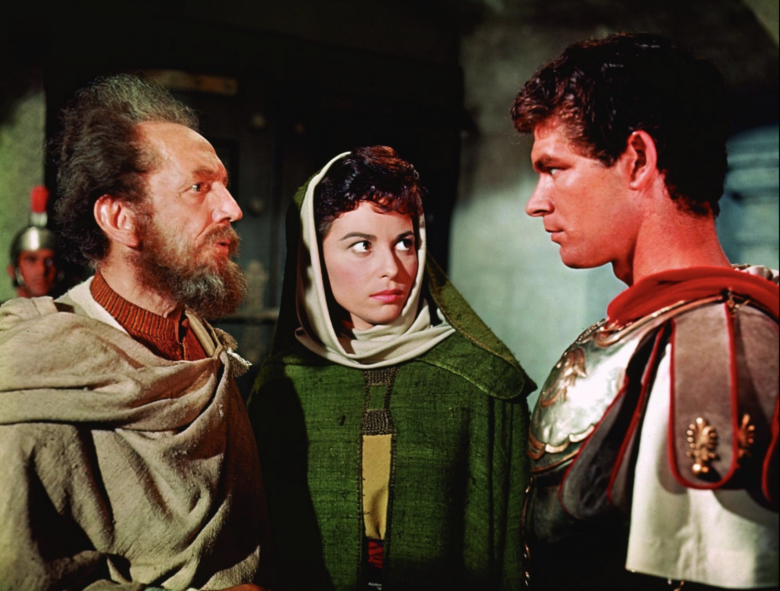
Before Hollywood could rely on CGI and visual effects, practical effects were the only way to make large-scale movies, and William Wyler’s 1959 adventure film “Ben-Hur” took this to a whole new level.
MGM’s decision to produce a $15 million remake of the 1925 “Ben-Hur: A Tale of Christ” was a risky one. At the time, MGM was on the brink of financial ruin. The studio was facing immense competition from television, and the result of the 1948 consent decrees led to MGM’s financial spiral. Regardless, MGM took the risk.
Filmed in Rome, “Ben-Hur” built more than 300 film sets that stretched more than 340 acres. More than a million pounds of plaster, 250 miles of metal tubing, and more than 1,000 workers were used to build the chariot arena. 10,000 extras were hired, and Wyler was financially set for life following the release of the film. “Ben-Hur” earned $146 million in total box office revenue and went on to win 11 Academy Awards.

1960s: Cleopatra ($44 million)
A movie that nearly bankrupted 20th Century Fox, “Cleopatra” began as a $2 million budget before turning into one of the most expensive movies at the time due to production delays, filming relocations, high salaries, among other things.
“Cleopatra” was riddled with issues right from the get-go. Soon after production began, Elizabeth Taylor, who plays Cleopatra, was severely ill with pneumonia and forced production to stall. The film was initially filmed in London; however, due to bad weather, the film’s sets were destroyed, and 20th Century Fox was forced to rebuild the entire set in Rome. Director changes were also a major component of the movie’s big budget.
Despite “Cleopatra” scoring big at the box office with $57 million, it wasn’t enough to make a profit against the film’s large budget.
1970s: Superman ($55 million)
As Hollywood shifted away from historical epics to action blockbusters like “Star Wars,” Richard Donner’s 1978 “Superman” shattered expectations amongst critics and audiences during the 70s.
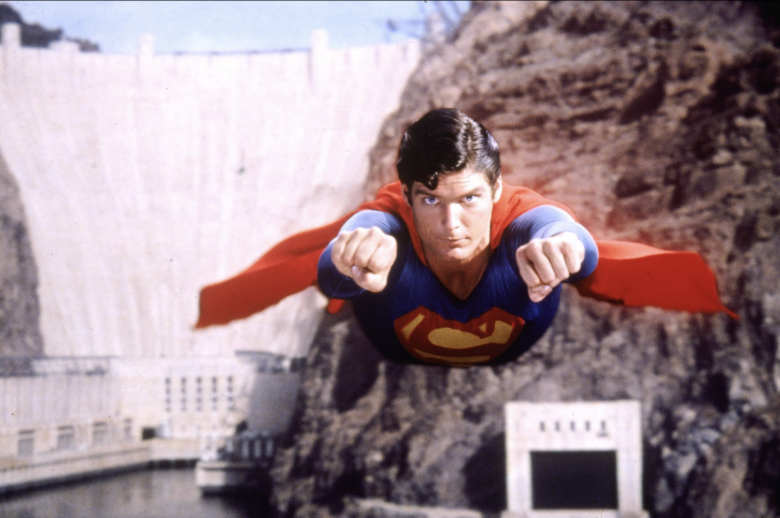
“Superman” had a tagline to live up to: “You’ll believe a man can fly.” A bold statement to make, the film had to experiment with practical and visual effects to truly “believe a man can fly.” The result paid off as the movie earned a Special Achievement Academy Award for its visual effects, since the category was not created yet.
Other costs include its sequel, “Superman II,” being shot at the same time as its original and the film’s A-list cast, which include Christopher Reeve, Marlon Brando and Gene Hackman. The result was a $300 million earning at the global box office, the second-highest-grossing film that year.

1980s: Rambo III ($58 – 63 million)
Continuing the trend of large-scale action movies, the 1980s saw “Rambo III” beat “Superman”’s record. Costing around $58 – $63 million, part of “Rambo III”’s big budget came from lead actor Sylvester Stallone’s high salary of $16 million, which also included a Gulfstream jet worth $12 million. Sylvester’s salary was the highest of all time at the time.
Additionally, production firings, reshoots, and the use of live explosions, live location shootings, and using military equipment like tanks and helicopters added to the film’s cost. Despite the high budget, “Rambo III” was considered a flop when it was released in 1988.
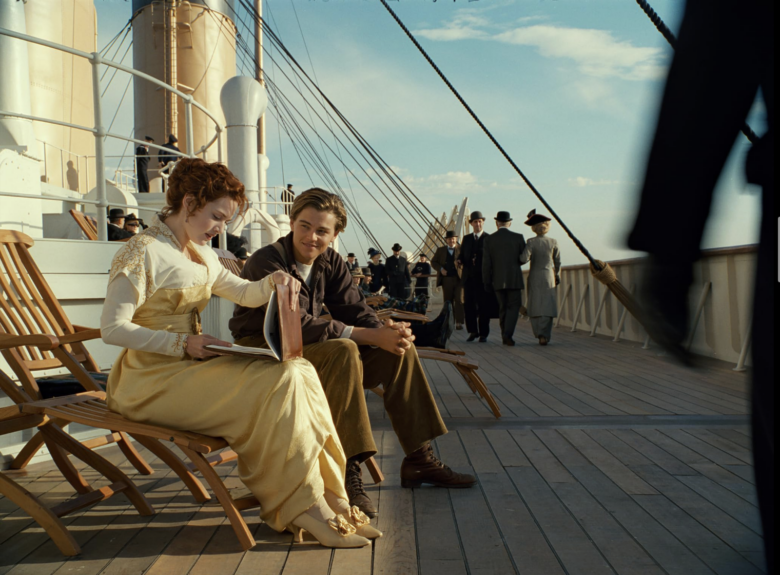
1990s: Titanic ($200 million)
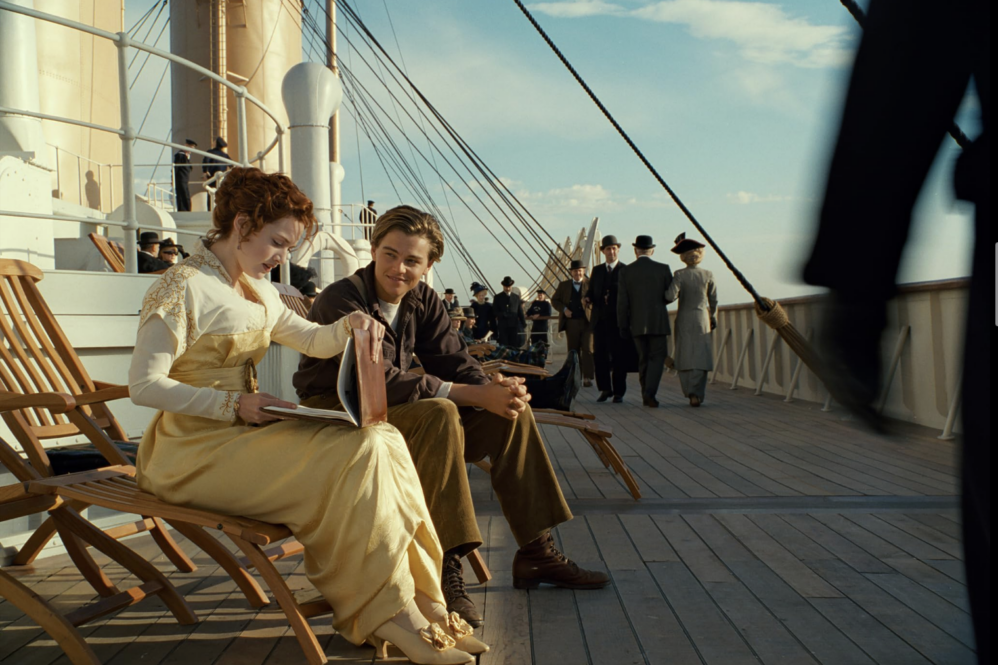
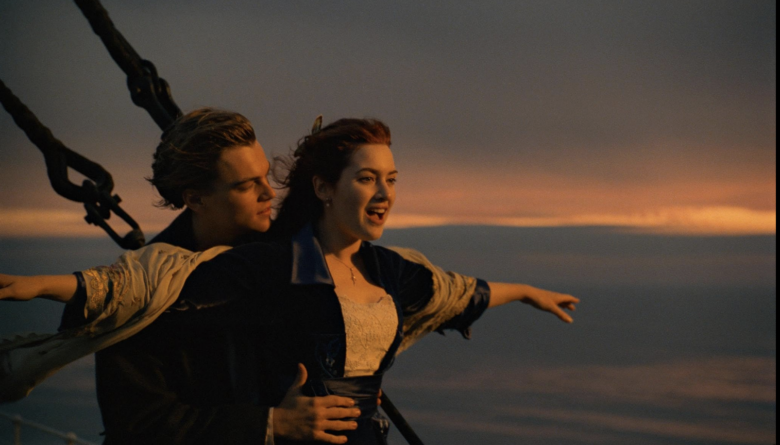
A large part of why “Titanic” became notoriously known as one of the most expensive movies of all time was director James Cameron’s insistence on being historically accurate to the real-life events that happened in 1912. Cameron built an almost exact replica of the Titanic ship, from the actual ship build down to minute details like costumes.
The 1997 classic also ran over schedule, costing Paramount Pictures and 20th Century Fox millions of dollars while groundbreaking visual effects added to the film’s cost. The film’s enormous budget paid off, as the movie earned 11 Academy Awards and is one of the highest-grossing films of all time.
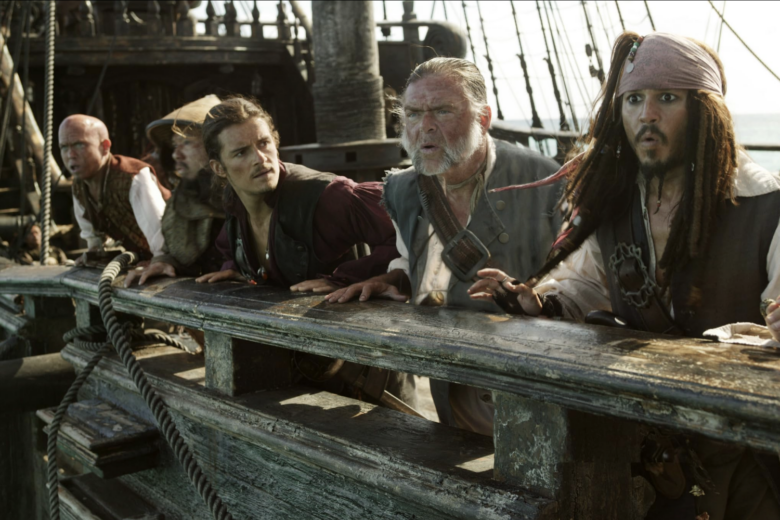
2000s: Pirates of the Caribbean: At World’s End ($300 million)
A pirate ship battle on sea, visual effects for humanoid sea creatures and salary pay are a few reasons why “Pirates of the Caribbean: At World’s End” is one of the most expensive movies ever made.
Similar to Cameron’s insistence to using practical effects, director Gore Verbinski relied on building real-life pirate ships that were fully functional and can be used in the water. The film thrived on using practical effects while also utilizing CGI for it’s antagonist characters — Davy Jones and his crew.
To achieve the amalgamation of an octopus and a crab, visual effects needed to be stellar for the film’s main character, Davy Jones. With tentacles for a beard and crab claws and legs as arms and legs, the film’s CGI had a natural finish and is heavily praised by critics and fans alike.
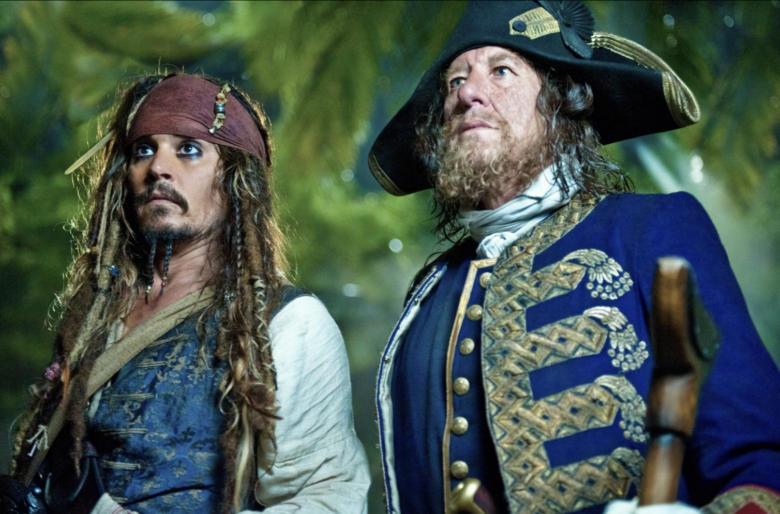
2010s: Pirates of the Caribbean: On Stranger Tides ($410 million)
The fourth installment of the “Pirates of the Caribbean” series smashed its prequel by a mile. Like previous installments, “Pirates of the Caribbean: On Stranger Tides” relied on practical sets and harsh filming conditions, like filming directly on sea, making filming and ensuring safety extremely difficult. The movie was also filmed using 3D technology, which drove up its budget.
However, a major financial component was paying the film’s crew. 895 people worked on the film, but it was Johnny Depp’s $55 million salary that took a hefty chunk out of the film’s budget. However, the film’s $1 billion global box office earnings allowed Disney to pay back the film’s large budget.

2020s: Avatar: The Way of Water ($460 million)
If there’s one thing James Cameron is known for, it’s directing large-scale movies with unimaginable budgets. In the second installment of the “Avatar” franchise, “Avatar: The Way of Water” spent over $460 million on production costs, the majority of which was spent on visual effects.
With the film mostly taking place underwater, Wētā FX, a visual effects company, invented a new form of CGI technology that allowed CGI equipment to be used underwater. The company’s invention earned them an Academy Award for Visual Effects in 2023. Additionally, rather than using a green screen for underwater shots, Cameron insisted on filming in a 900,000-gallon tank where the cast had to go through special training to learn how to act, move, and hold their breath for long periods of time underwater.
Wrap Up
Movies like “Ben-Hur” and “Titanic” feature big movie budgets that go above and beyond compared to a typical film. From questionably high talent salaries to inventive visual effects, there are a number of reasons why movie budgets balloon up throughout the years. Despite their high budgets, each of these films has entertained a generation of audiences by their own merits.
Ask us! What questions do you have about content, strategy, pop culture, lifestyle, wellness, history or more? We may use your question in an upcoming article!
Like MediaFeed’s content? Be sure to follow us.
This article was syndicated by MediaFeed.co.