
American cities with the highest and lowest credit scores
Your credit score is supposed to reflect your financial behavior. In practice, it also reflects your ZIP code, your city’s unemployment rate, and whether the structural conditions around you make paying bills on time an achievable baseline or a monthly heroic act. WalletHub ranked 182 US cities by average credit score using Q4 2025 data, with a gap of 127 points between the highest and lowest. That gap is not a measure of who tries harder. Here are the five cities at each end.
We’ll start with the cities with the highest credit scores.

5. San Francisco, California: 686
The residents who can afford to remain in one of the most expensive cities in the world are those with incomes high enough to absorb extreme costs without incurring extreme debt. The score of 686 says something real about those residents’ financial behavior. It says something equally real about which residents got priced out before the data was collected.
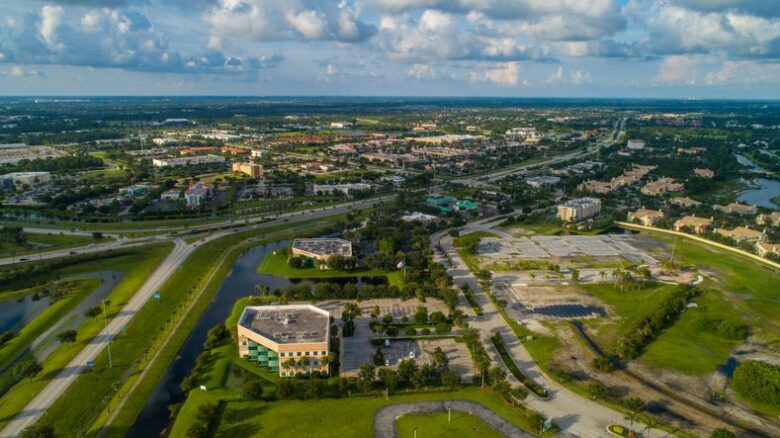
4. Port St. Lucie, Florida: 687
Florida’s credit landscape does not distribute evenly: Miami ranks 37th and Jacksonville ranks 118th, which makes Port St. Lucie’s fourth-place finish something that requires an explanation. Middle-income families and retirees seeking affordable homeownership outside South Florida’s most expensive markets drove the city’s growth, and homeownership affects credit profiles in specific ways. Not because homeowners are more virtuous. Because a mortgage is a monthly installment account that reports to credit bureaus every month for 30 years.
2. Tie: Fremont, California: 688
Nobody outside the Bay Area talks about Fremont, which is part of why second place is surprising and part of why it isn’t. WalletHub’s data show a median income of approximately $122,000 among nearly 230,000 residents, supported by a local economy that runs tech and advanced manufacturing side by side. The layoff, the gig gap, the month when the car registration and the rent land simultaneously — these happen everywhere. They happen less often here than almost anywhere else.

2. Tie: Scottsdale, Arizona: 688
Scottsdale ties Fremont at 688 and the explanation has almost nothing to do with Fremont’s explanation. WalletHub reports a median income of around $87,000, one of the highest in the study, but the more relevant question is who earned it and what they did before they got there. A large retiree population arrived having already spent decades paying down debt. Their credit histories pull the city average up in ways that say little about the younger residents.

1. South Burlington, Vermont: 697
South Burlington has 21,000 residents and no particular claim to financial sophistication. What it has is low unemployment, a median income of over $77,000 (19th among 182 cities in the study) and a cost of living that does not force people into the monthly triage where the rent wins and the credit card minimum doesn’t. A score of 697 is what that environment produces when enough people live in it long enough. Vermont ranks among the top three nationally.
On the opposite end of the spectrum, these five cities had the lowest credit scores.

5. Memphis, Tennessee: 593
Memphis opens the bottom five at 593: a score that affects the interest rate on the car loan, the approval odds on the apartment application, the deposit required for the utility account. High poverty rates and persistent income inequality have compounded here over decades. The structural conditions that would allow a significant share of residents to improve their scores are not uniformly present, which is a different problem than the one most credit advice is designed to solve.
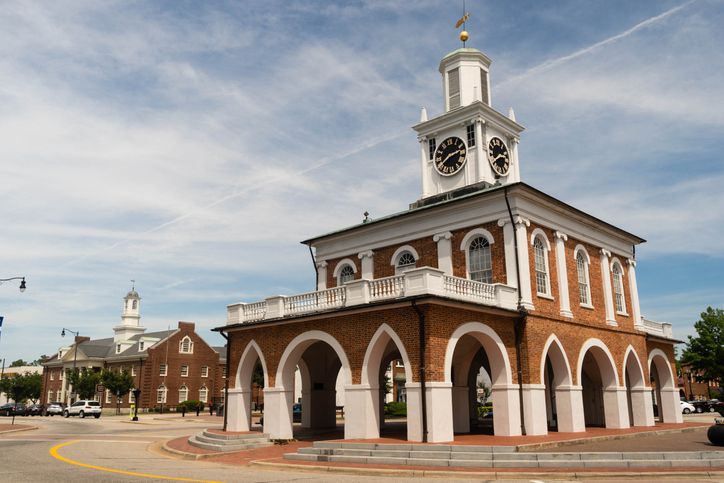
4. Fayetteville, North Carolina: 592
Military cities produce a specific credit profile that aggregate data captures without fully explaining. High turnover, frequent relocation and the income disruption that accompanies service transitions all show up in credit scores before they show up anywhere else. WalletHub places Fayetteville 179th nationally, reflecting both the military population’s financial pressures and a civilian economy with high unemployment and limited access to stable long-term employment.

3. Jackson, Mississippi: 591
Mississippi consistently ranks last or near last in median household income nationally, and Jackson’s score of 591 is visible evidence of what that ranking means at the individual level. Limited banking access, the highest poverty rates in the country, the lowest median household income: all of it shows up in a three-digit number. Jackson’s 180th-place ranking is not a verdict on its residents. It is a description of what they are navigating.

2. Shreveport, Louisiana: 590
Oil and gas built Shreveport’s economy and oil and gas volatility has been dismantling it in cycles ever since. Louisiana ranks among the lowest in the country in average credit scores, and Shreveport is no exception. It is what the pattern looks like when you zoom in.

1. Detroit, Michigan: 570
Last. The auto industry collapse happened across decades, through decisions that dismantled the economic foundation of an entire urban population. The credit damage landed on people making reasonable decisions inside an unreasonable situation. The 127-point gap between Detroit (570) and South Burlington (697) is not a measure of the two cities’ financial cultures. It is a measure of what two very different economic environments produce when left to run their course.
The bottom line
South Burlington and Fremont are not at the top because their residents are more disciplined. Detroit and Shreveport are not at the bottom because their residents are less likely to be. The credit score map of American cities is an economic conditions map wearing a financial behavior disguise.
Ask us! What questions do you have about content, strategy, pop culture, lifestyle, wellness, history or more? We may use your question in an upcoming article!
Related:
- 10 tips to get your credit card debt under control
- 10 credit card features that sound better than they often are
Like MediaFeed’s content? Be sure to follow us.
This article was syndicated by MediaFeed.co.