
What pop music hits from foreign countries became hits in America?
Ask yourself why “Dominique” was number one in America in December 1963. A Belgian nun recorded it for the girls at her convent; Philips pressed a few hundred copies as Christmas gifts; then it’s all a miraculous story where it outsells Elvis for four weeks. Nobody planned that, so how or why do these things happen?

“Dominique” — The Singing Nun (1963)
A French song about a medieval Dominican friar. Sister Luc-Gabrielle never saw the royalties despite her unstoppable success; they went straight to the convent. The Belgian government still billed her $80,000 in back taxes. The nun became an altogether Grammy winner and a Record of the Year nominee. However, she sadly died in 1985 at 51 after a synthpop comeback that didn’t chart and a tax debt she couldn’t clear.

“Sukiyaki” — Kyu Sakamoto (1963)
The title means I Look Up When I Walk. About keeping your chin tilted toward the sky so nobody sees you cry. Radio renamed it after a Japanese dish. Three weeks at number one. The buyers had no translation and the song still outsold almost everything that year. 1963 is the only year in which two non-English songs topped the Hot 100.
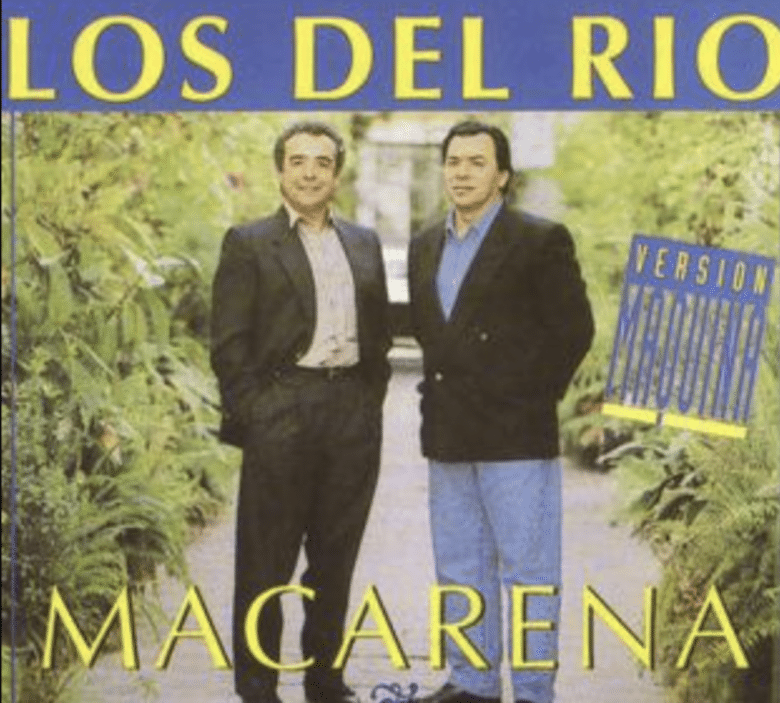
“Macarena” — Los Del Rio (1996)
Recorded in 1993. Three years to reach America. The Bayside Boys remix added an English bridge and a line dance appeared and fourteen weeks at number one happened, still the record. By August 1996, people at company picnics were doing the arm movements without knowing what language the song was in. Whether the English bridge caused the crossover or the choreography would have done it anyway is something nobody can test because nobody ran the experiment without the bridge.

“Gangnam Style” — PSY (2012)
No US label. No radio. PSY made it in Seoul and YouTube put it everywhere before any label decided it should travel. One billion views faster than any video ever recorded. Number two. Sixteen years between “Macarena” at number one and this, and in those sixteen years the music didn’t get worse. What arrived was a platform that didn’t need a record company to decide a song was allowed to cross a border.
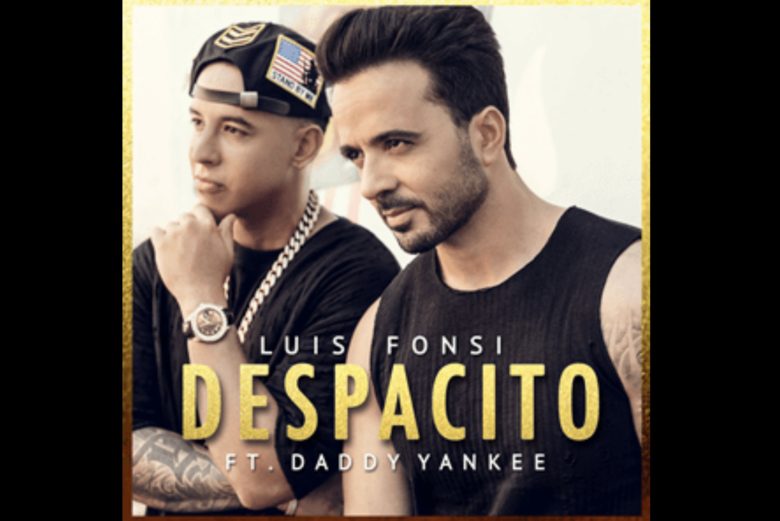
“Despacito” — Luis Fonsi and Daddy Yankee featuring Justin Bieber (2017)
Sixteen weeks at number one. Sung almost entirely in Spanish. Shot in La Perla in San Juan. The Bieber remix opens in English for maybe thirty seconds. People who had spent careers telling Latin artists there was a practical ceiling for Spanish-language music on the Hot 100 had to stop saying that after the spring of 2017. Several have described watching it as something they had no framework for.

The bottom line
Twenty-seven of the thirty-nine non-English top ten entries arrived after 2012. Bad Bunny has thirteen by himself. The ceiling was a choice the industry made and kept making until the numbers made it impossible.
Ask us! What questions do you have about content, strategy, pop culture, lifestyle, wellness, history or more? We may use your question in an upcoming article!
Related:
- 12 iconic rock songs that wouldn’t fly today
- The most controversial songs of the ’60s: Do you agree?
Like MediaFeed’s content? Be sure to follow us.
This article was syndicated by MediaFeed.co.